In a decisive move, UK Members of Parliament have called for a ban on 'forever chemicals', specifically targeting their use in school uniforms and frying pans. This proposal, announced in London on October 5, 2023, aims to eliminate harmful per- and polyfluoroalkyl substances (PFAS) that persist in the environment and human body.
Impact on Businesses and Markets
The proposed ban has significant implications for manufacturers and retailers. Companies producing school uniforms and kitchenware may face increased costs as they switch to alternative materials. This change could influence pricing strategies, potentially leading to higher consumer prices.
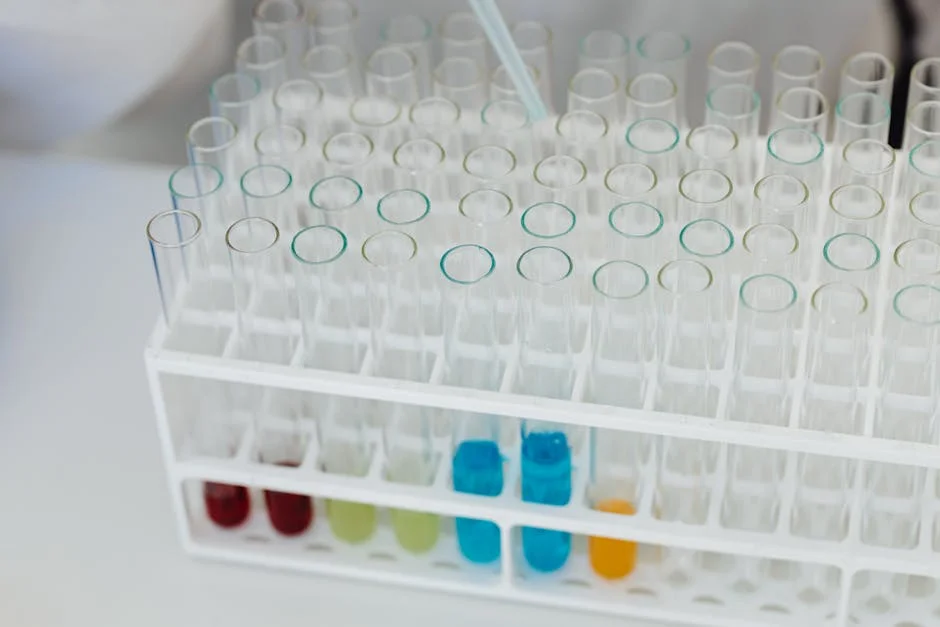
The cookware market, valued at approximately £1 billion annually in the UK, will need to adapt quickly. Businesses may need to invest in research and development to create PFAS-free products, affecting profit margins in the short term.
Investor Reactions and Economic Implications


Investors are closely monitoring companies with significant exposure to PFAS-related products. Shares of firms like Tefal and other cookware manufacturers could experience volatility as the market reacts to regulatory changes.
The broader economic impact includes potential shifts in employment within affected industries. Companies may need to retrain workers or hire specialists in eco-friendly technologies, which could alter labour dynamics.
Environmental and Health Context
PFAS, known for their non-stick and water-repellent properties, are linked to health risks such as cancer and environmental degradation. The UK government's attention to these chemicals reflects growing awareness and consumer demand for safer products.
Historical Use and Regulatory Challenges
Historically, PFAS have been used extensively due to their durability. However, increasing evidence of their persistence in the environment has led to calls for stricter regulations.
The European Union has already taken steps toward banning PFAS, setting a precedent that may influence UK policy decisions.
What to Watch Next
The next steps involve detailed parliamentary discussions and potential legislation drafts. Businesses should anticipate further guidance from regulatory bodies and prepare for compliance timelines.
Investors and market analysts will be watching for any announcements regarding implementation dates and the scope of the ban. Companies are advised to proactively assess their supply chains and explore alternative materials to stay ahead of regulatory changes.
Frequently Asked Questions
What is the latest news about uk mps demand ban on forever chemicals impacts uniform and cookware markets?
In a decisive move, UK Members of Parliament have called for a ban on 'forever chemicals', specifically targeting their use in school uniforms and frying pans.
Why does this matter for economy-business?
Companies producing school uniforms and kitchenware may face increased costs as they switch to alternative materials.
What are the key facts about uk mps demand ban on forever chemicals impacts uniform and cookware markets?
Businesses may need to invest in research and development to create PFAS-free products, affecting profit margins in the short term.Investor Reactions and Economic ImplicationsInvestors are closely monitoring companies with significant exposure to PFA