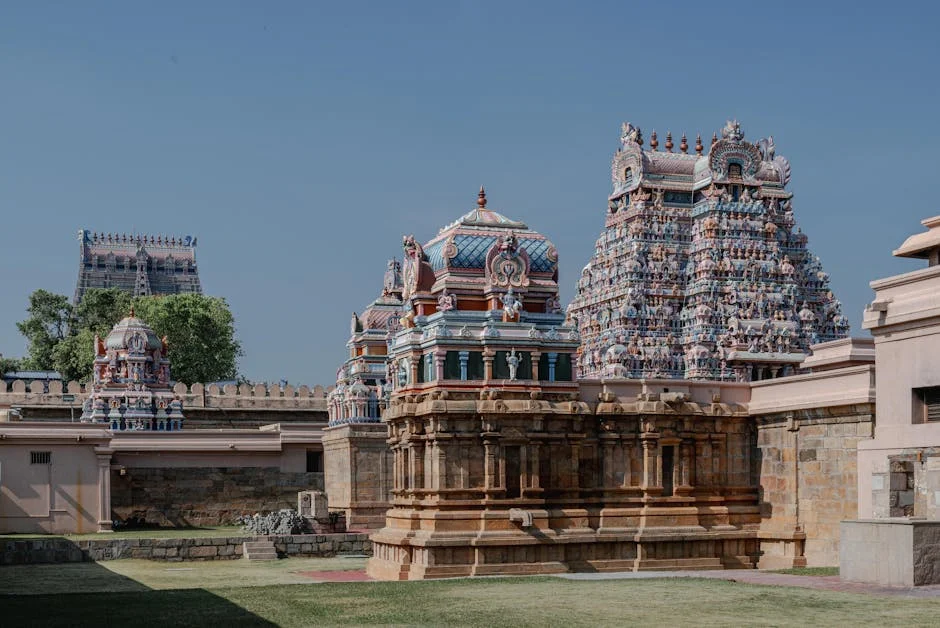
Tamil Nadu's political landscape is witnessing a dynamic shift, not just in policies but in fashion too. As the state gears up for the upcoming Assembly elections, candidates are moving beyond traditional attire like veshtis, embracing modern styles such as hoodies to connect with younger voters. This sartorial evolution is not merely aesthetic; it could have broader economic implications.
Fashion Trends Reflect Changing Voter Demographics
In the bustling city of Chennai, political rallies are seeing a splash of vibrant colours and trendy outfits. This change is driven by the state's youthful demographic, with over 45% of Tamil Nadu's population under the age of 30. Politicians, including Dravida Munnetra Kazhagam's (DMK) leader M.K. Stalin, are keen to resonate with Gen Z, who are pivotal in shaping the election's outcome.
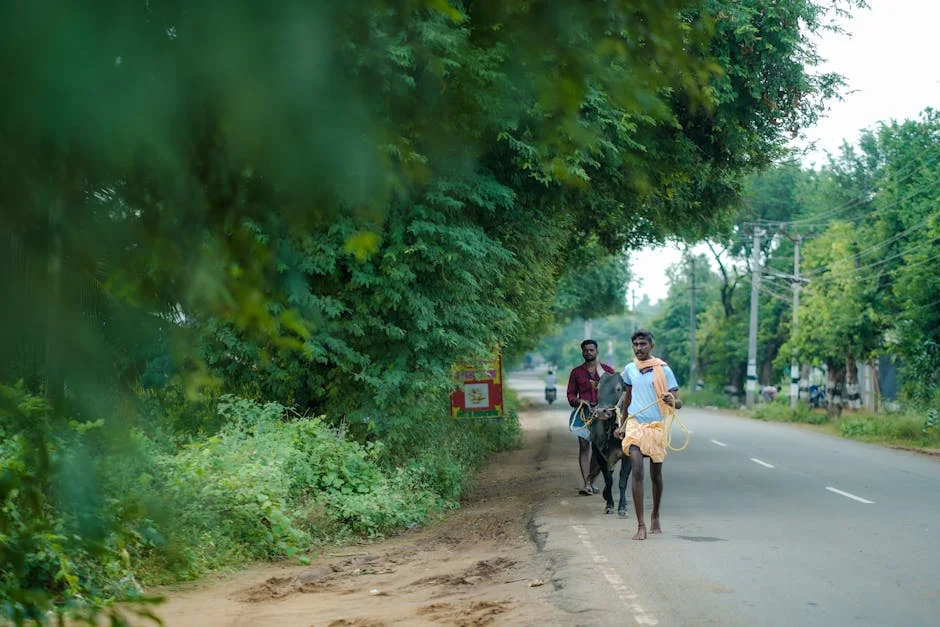
The move to modern fashion is not just a superficial change. It reflects a deeper understanding of youth culture, potentially influencing voter engagement and turnout. For businesses, especially those in the retail and fashion sectors, this trend could signal a lucrative opportunity to capitalise on political merchandise and campaign paraphernalia.
Implications for Local Markets and Businesses

This fashion-forward approach could stimulate local markets. Chennai's garment industry, already a significant contributor to the state's economy, might see increased demand for trendy political apparel. Such a shift could boost economic activity, particularly benefiting small and medium enterprises (SMEs) specialising in bespoke and themed clothing.
Moreover, as political parties increasingly leverage fashion to appeal to younger voters, there is potential for collaborations between developers and designers, leading to novel collections that resonate with Gen Z. This could foster innovation and create new avenues for investment in the fashion technology sector.
Potential Impact on Regional and International Investors
The evolving fashion landscape in Tamil Nadu's political sphere may also attract the attention of international investors. Brands looking to enter or expand in the Indian market might find Tamil Nadu an appealing destination due to its vibrant youth culture and the increasing popularity of contemporary fashion.
From an investment standpoint, businesses in Singapore and beyond could explore partnerships or direct investments in Tamil Nadu's fashion sector. The state's focus on modernisation, coupled with its robust economic policies under M.K. Stalin's leadership, offers a conducive environment for growth and profitability.
Looking Ahead: The Economic Ripple Effect
As Tamil Nadu heads into its election season, the fashion transformation highlights a broader trend of youth influence in politics and economy. Stakeholders should watch how this trend unfolds, as it could set a precedent for other regions in India.
Looking forward, businesses and investors should keep an eye on potential policy changes that support fashion and retail innovations. With the election slated for March, developments in the region's political fashion could serve as a bellwether for economic shifts, offering both challenges and opportunities for market players.
See Also
- Cachalia Pushes for Better Gender-Based Violence Tracking in SA
- China Military Universities Tried Buying Nvidia AI Chips — US Curbs Blocked Access