A security incident in Mumbai, where Jaib Zubair Ansari allegedly stabbed two security guards after questioning their religious beliefs, has raised concerns about safety in one of India's largest economic hubs. This event has sent ripples through the business community, as investors reassess risks associated with security and stability in urban centres.
The Incident and Its Implications
On October 5, 2023, in Mumbai, Ansari approached two guards at a commercial complex, inquiring if they could recite the 'kalma', an Islamic declaration of faith. Following their response, he attacked them, resulting in serious injuries. The incident has sparked debates on radicalisation and its impact on societal safety, with broader implications for businesses operating in the region.
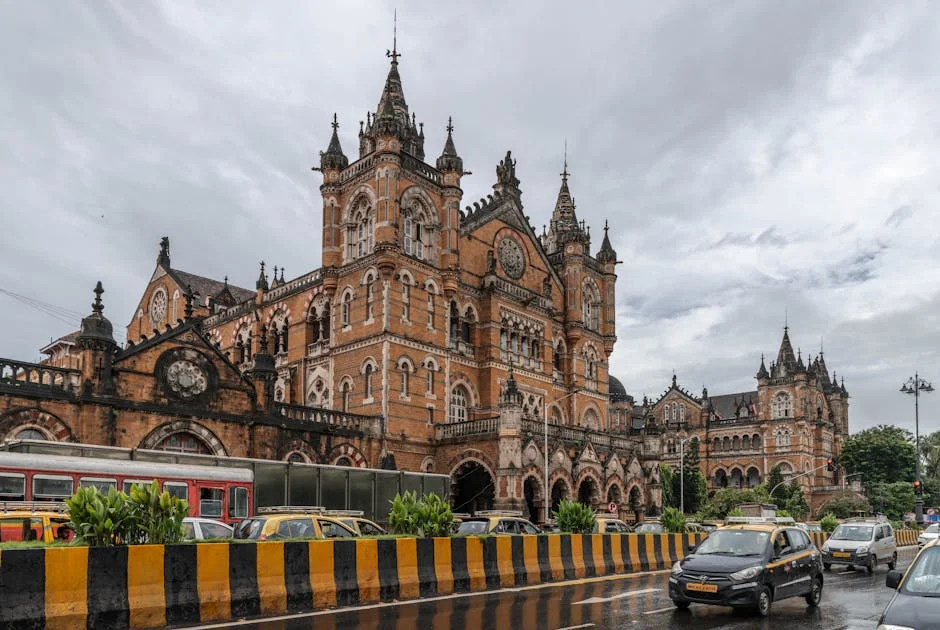
Mumbai, a major financial centre, is home to numerous multinational corporations and a significant contributor to India's GDP. Security issues in the city can have far-reaching effects, influencing business operations and investor confidence.
Impact on Markets and Security Costs


The immediate aftermath of the attack saw a dip in the local stock market, with investors becoming wary of increased security risks. Businesses are now bracing for potential hikes in security expenses to protect assets and staff, which could impact their bottom lines.
Heightened security measures may be necessary, potentially leading to increased operational costs. Companies might need to invest more in surveillance technology and personnel training to mitigate such risks. These factors could deter future investments if security concerns persist.
Investor Concerns and Economic Repercussions
Investors, particularly those from Singapore, are closely monitoring the situation. Singaporean companies have significant investments in India, and any perceived instability can influence investment decisions. Concerns over radicalisation and its potential to disrupt business operations are likely to affect future investment strategies.
Analysts are watching how the Indian government responds to these security challenges. Effective measures could reassure investors, while inadequate responses might lead to capital flight and reduced foreign direct investment.
Looking Ahead: What to Watch
The Indian authorities' response to this incident will be critical in shaping future business confidence. With increased scrutiny on safety protocols, businesses and investors will be keenly observing any policy changes or security enhancements implemented in Mumbai.
As the situation develops, both local and international stakeholders will need to assess their risk management strategies. Monitoring the government's actions and market reactions in the coming weeks will be essential for investors considering their next moves in the Indian market.
Frequently Asked Questions
What is the latest news about mumbai stabbing suspect exposes security gaps markets react to rising risks?
A security incident in Mumbai, where Jaib Zubair Ansari allegedly stabbed two security guards after questioning their religious beliefs, has raised concerns about safety in one of India's largest economic hubs.
Why does this matter for economy-business?
Following their response, he attacked them, resulting in serious injuries.
What are the key facts about mumbai stabbing suspect exposes security gaps markets react to rising risks?
Security issues in the city can have far-reaching effects, influencing business operations and investor confidence.Impact on Markets and Security CostsThe immediate aftermath of the attack saw a dip in the local stock market, with investors becoming
Concerns over radicalisation and its potential to disrupt business operations are likely to affect future investment strategies.Analysts are watching how the Indian government responds to these security challenges. These factors could deter future investments if security concerns persist.Investor Concerns and Economic RepercussionsInvestors, particularly those from Singapore, are closely monitoring the situation.