India has strongly condemned the recent attacks on shipping in the Strait of Hormuz at a United Nations Security Council (UNSC) meeting in New York. The South Asian giant urged immediate restoration of free navigation in the critical waterway, highlighting its importance to global oil supply. The call comes after a series of incidents that threatened the safety of one of the world's busiest maritime corridors.
Implications for Global Oil Markets
The Strait of Hormuz, a narrow passage between the Persian Gulf and the Gulf of Oman, is a crucial transit point for nearly 20% of the world’s petroleum. Disruptions in this area could significantly affect oil prices globally. Recent attacks have already led to a 5% spike in crude prices, reflecting market anxiety over potential supply shortages.
India, which imports a vast majority of its oil, is particularly vulnerable to these disruptions. The nation’s foreign minister, Subrahmanyam Jaishankar, emphasised the importance of maintaining stability in the region. "Any threat to free navigation poses a direct threat to our energy security," he was quoted as saying during the session.
Economic Impact on Singapore and Beyond


Singapore, being a major global shipping hub, faces indirect impacts from instability in the Middle East. Rising oil prices inevitably increase shipping costs, which could lead to higher prices for goods imported into Singapore. Businesses may need to adjust their logistics and supply chain strategies accordingly.
Investors are also keeping a close watch. The Singapore Exchange (SGX) saw energy stocks rally in response to the potential supply crunch. Companies involved in oil production and shipping are likely to benefit in the short term, though the overall market sentiment remains cautious.
Tehran's Role and Regional Tensions
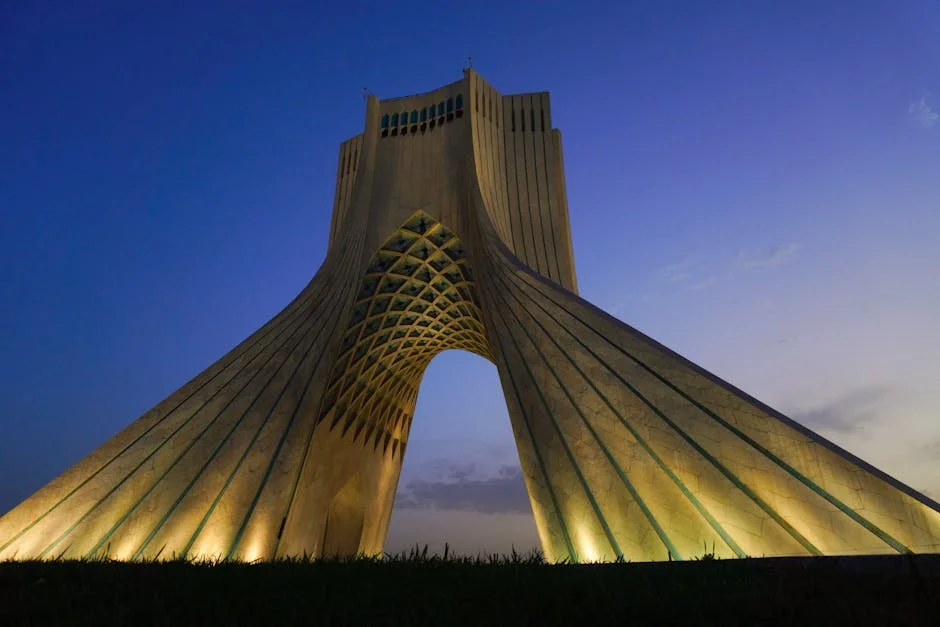
Tehran has been at the centre of these escalations, with allegations against Iranian forces for the attacks. While Iran denies direct involvement, the geopolitical tension adds another layer of complexity. Middle East news today often features Tehran's contentious relationship with Western powers, particularly over its nuclear programme.
These developments have raised concerns about further destabilisation in the region. Analysts are wary that any military escalation could have far-reaching consequences, not just for the Middle East but for global economic stability.
What to Watch Next
The international community is looking to negotiate a diplomatic resolution. An emergency meeting of key oil-producing countries, including Saudi Arabia and the United States, is expected to take place next month. This meeting will be crucial in determining the future of navigation through the Strait of Hormuz. Observers should watch for any agreements or interventions that could stabilise the situation and, by extension, the global oil market.
See Also
- Springbok Faces Ban as Regulators Finalize Decision
- Edmundo Inácio Slams UK Restaurant for Language Bias