Africa's cryptocurrency market is experiencing rapid growth, drawing a wave of new investors. However, this burgeoning market is fraught with risks, as many enter without adequate knowledge or safeguards. With a young and tech-savvy population, countries like Nigeria and Kenya are at the forefront of this financial revolution.
Cryptocurrency's Rising Popularity in Africa
The adoption of cryptocurrencies in Africa has been accelerating. According to a report by Chainalysis, Africa's cryptocurrency market grew by over 1,200% between July 2020 and June 2021. Nigeria alone accounts for a significant portion of this growth, with over 32% of Nigerians reporting they own some form of cryptocurrency.
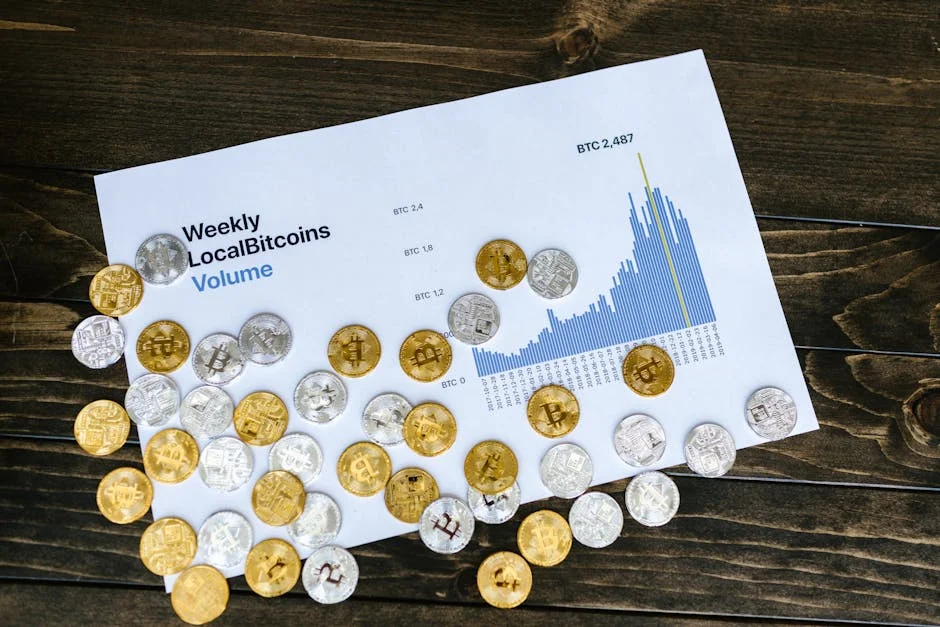
The surge in popularity is driven by factors such as high inflation rates, lack of access to traditional banking, and the need for cheaper and faster remittances. Cryptocurrencies offer a way to bypass restrictive financial environments and offer the potential for significant returns.
Potential Risks for New Investors


Despite the enthusiasm, the market is not without its pitfalls. Many new investors are lured by the promise of quick profits but lack a comprehensive understanding of the risks involved. The absence of proper regulation and the prevalence of scams pose significant threats.
Regulatory Challenges
African governments are struggling to keep pace with the rapid rise of crypto activities. While some, like Nigeria's Central Bank, have imposed restrictions on cryptocurrency transactions, others are still formulating their regulatory frameworks. This regulatory uncertainty adds to the risk for investors who may find themselves on the wrong side of the law or unable to reclaim lost funds.
Impact on the Economy and Markets
The growing interest in cryptocurrencies could have broader economic implications. As digital currencies draw more users, traditional financial institutions might face increased competition, potentially affecting their profitability and market share.
Moreover, businesses in Africa are beginning to explore cryptocurrencies for transactions, which could lead to more widespread adoption and integration into the formal economy. However, volatility remains a concern, as fluctuations in crypto prices can impact business operations and financial planning.
Looking Ahead: Navigating the Future of Crypto in Africa
Investors and businesses should remain vigilant as the crypto landscape continues to evolve. Engaging with trustworthy platforms, staying informed about regulatory changes, and ensuring proper risk management strategies are essential steps. As the market matures, it will be crucial to watch how African governments address regulatory challenges and how businesses adapt to this new financial reality.
With new developments expected in regulatory policies and technology advancements, stakeholders should stay informed to navigate the potential opportunities and risks in Africa's crypto market effectively.
See Also
However, volatility remains a concern, as fluctuations in crypto prices can impact business operations and financial planning.Looking Ahead: Navigating the Future of Crypto in AfricaInvestors and businesses should remain vigilant as the crypto landscape continues to evolve. The absence of proper regulation and the prevalence of scams pose significant threats.Regulatory ChallengesAfrican governments are struggling to keep pace with the rapid rise of crypto activities.