In a surprising turn of events, Giorgia Meloni's recent political manoeuvres are stirring the economic landscape in Italy, with potential ripple effects on global markets, including Singapore. Meloni, the current Prime Minister of Italy, has been at the forefront of implementing modern political strategies that echo the philosophies of notable figures like Hannah Arendt, sparking debate over future economic implications.
Meloni and the Italian Economic Framework
Giorgia Meloni, having ascended to the position of Prime Minister, is steering Italy towards a new era of governance. Her policies are heavily influenced by historical political thought, aiming to strengthen Italy's economic position in the European Union. Key initiatives include tax reforms and investments in technology sectors, which Meloni claims will boost GDP by 3% over the next two years. This potential increase is crucial as Italy strives to recover from pandemic-induced economic setbacks.

Rome, the epicentre of these political changes, is witnessing a transformation that could redefine Italy's role in the EU's economic hierarchy. By aligning with Arendt's philosophies, Meloni hopes to create a more inclusive and robust economic environment, potentially attracting foreign investors to Rome and beyond.
Impact on Global Markets and Singapore

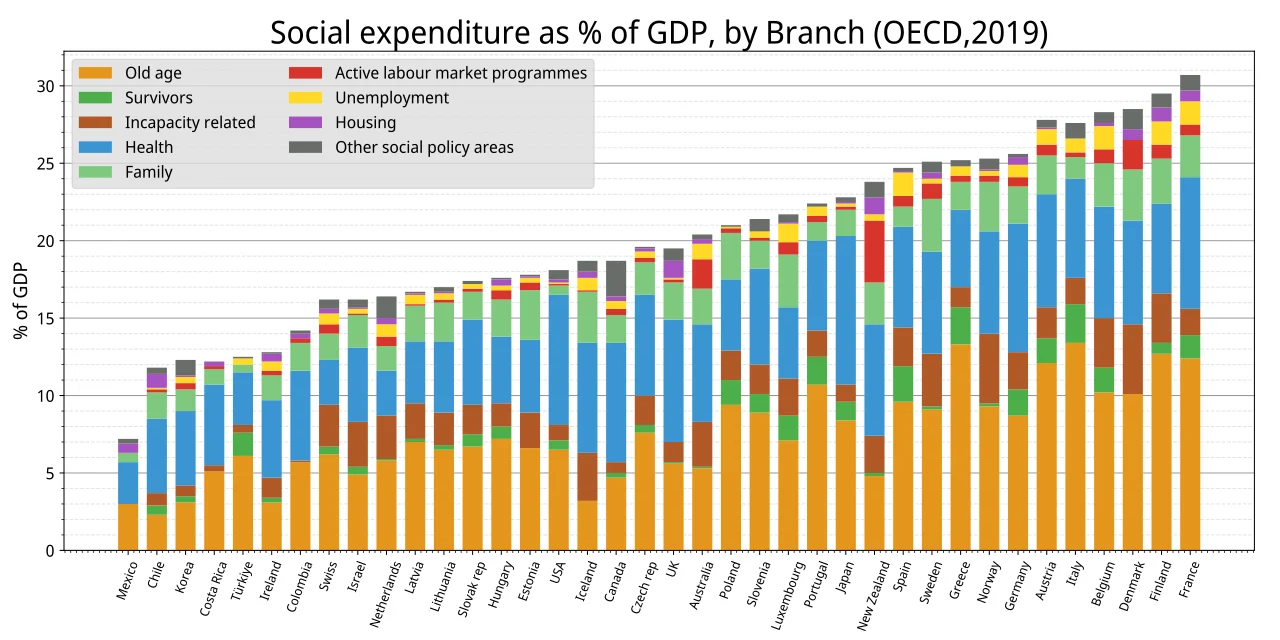
The global economy, including markets in Singapore, is closely watching Meloni's moves. Her policies could influence international trade channels and investment patterns, particularly in tech and green energy sectors. Singapore, as a global financial hub, stands to either benefit from new Italian market opportunities or face challenges if trade policies shift unfavorably.
Investment firms in Singapore are analysing Meloni's policies to gauge potential impacts. Singapore's trade relations with Italy, which amounted to SGD 4 billion last year, could see fluctuations based on how these political strategies unfold. Businesses in Singapore might need to adapt their strategies to align with any emergent opportunities or risks presented by Meloni's governance.
Business and Investor Reactions
Businesses worldwide, particularly those trading with Italy, are recalibrating their risk assessments. Meloni's focus on innovation and economic restructuring might offer lucrative opportunities for investors keen on emerging markets. However, the uncertainty surrounding the implementation of these policies is causing some to proceed cautiously.
In Singapore, companies are exploring partnerships with Italian firms to tap into sectors poised for growth under Meloni's regime. The tech industry, in particular, is expected to see a surge in collaborative projects, given the emphasis on digital transformation in Meloni's economic plans.
What to Watch Next
The upcoming months will be critical as Meloni's policies begin to take effect. Investors and businesses should monitor Italy's economic data releases and policy announcements closely. The European Union's response to Italy's economic strategies will also be a key factor to watch, as it will influence regional markets and trade relations.
For Singapore, staying informed about shifts in Italian trade policies and potential new market opportunities could provide a competitive edge. Businesses may need to adjust their strategies promptly to align with the evolving economic landscape shaped by Meloni's political and economic reforms.
Frequently Asked Questions
What is the latest news about melonis modern political shift may reshape italys economic landscape?
In a surprising turn of events, Giorgia Meloni's recent political manoeuvres are stirring the economic landscape in Italy, with potential ripple effects on global markets, including Singapore.
Why does this matter for economy-business?
Her policies are heavily influenced by historical political thought, aiming to strengthen Italy's economic position in the European Union.
What are the key facts about melonis modern political shift may reshape italys economic landscape?
This potential increase is crucial as Italy strives to recover from pandemic-induced economic setbacks.Rome, the epicentre of these political changes, is witnessing a transformation that could redefine Italy's role in the EU's economic hierarchy.