Amnistia has urged for a lasting regional peace agreement involving Israel and the United States, arguing that stability is crucial for economic growth. This call comes amid ongoing tensions in the Middle East, a region whose markets are often volatile due to geopolitical uncertainties.
Peace Appeal and Economic Implications
Amnistia, a prominent organisation advocating for human rights, has made a strong appeal for a sustainable peace agreement in the Middle East. The organisation highlighted that peace could unlock economic potential, not just locally, but globally. The Middle East is rich in natural resources, and stabilising this region could positively impact global supply chains.

Investors are closely monitoring these developments. A peace deal could lead to increased foreign direct investment in Israel and surrounding countries. Historically, instability has deterred investment, but peace could transform the economic landscape, making it more attractive for business ventures.
Historical Context and Market Reactions

The Middle East has long been a hotspot for geopolitical conflicts, affecting both local and global markets. Fluctuations in oil prices, for instance, have been linked to regional tensions. If a peace agreement is reached, it could lead to more predictable energy prices, benefiting economies reliant on oil imports.
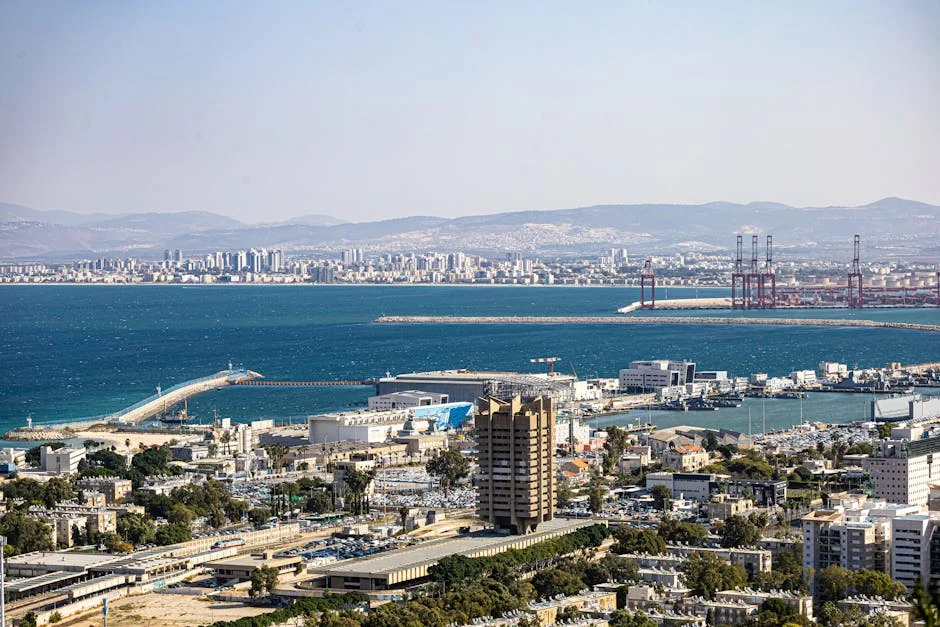
Israel, a key player in the region, has seen its tech sector thrive despite regional instability. With peace, this sector could expand further, attracting more international partnerships and investments. Business leaders in Tel Aviv, Israel's financial hub, are optimistic about the potential economic boost.
Investor Perspective
Amnistia's call for peace aligns with investor interests who favour stable environments. According to a report from Amnistia Internacional, a peaceful Middle East could increase regional GDP by up to 5% over the next decade. This projection is drawing attention from investors eyeing long-term growth opportunities.
In addition, businesses operating in the Middle East could experience reduced risk premiums, lowering the cost of capital. Such financial improvements could lead to increased entrepreneurial activities, further invigorating the region's economy.
Next Steps and What to Watch
The next few months will be critical. Diplomats from Israel and the United States are expected to engage in a series of negotiations aimed at crafting a viable peace agreement. Investors should watch for any official announcements, as these will likely impact market sentiment and economic forecasts.
Additionally, upcoming regional summits may offer more clarity on how these peace efforts might unfold. Stakeholders will be keen on understanding how any agreements might affect trade policies and economic collaborations.
Frequently Asked Questions
What is the latest news about amnistia calls for peace deal investors eye middle east stability?
Amnistia has urged for a lasting regional peace agreement involving Israel and the United States, arguing that stability is crucial for economic growth.
Why does this matter for economy-business?
The organisation highlighted that peace could unlock economic potential, not just locally, but globally.
What are the key facts about amnistia calls for peace deal investors eye middle east stability?
A peace deal could lead to increased foreign direct investment in Israel and surrounding countries.