Australia's governments have failed to deliver on a promised $160 million worth of river improvements, jeopardising the future of wetlands in New South Wales. The oversight was revealed in a recent report highlighting the financial and environmental stakes at play. With climate pressures mounting, the delay in executing these critical improvements raises concerns about the long-term viability of local ecosystems and economic activities dependent on these water sources.
Environmental and Economic Stakes
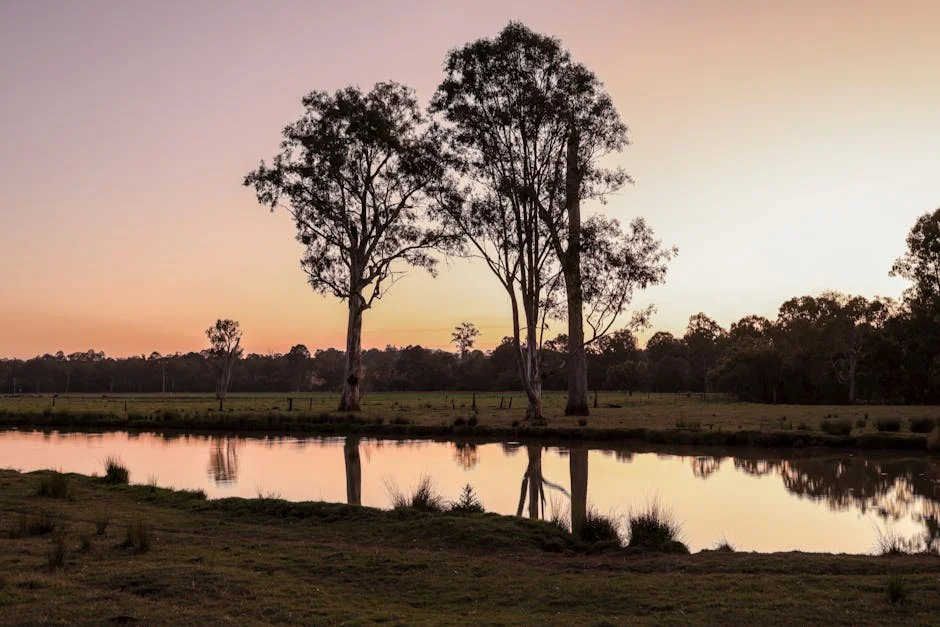
The report points out that the lack of progress affects the New South Wales wetlands, which are vital for biodiversity and regional agriculture. These wetlands are crucial not only for maintaining ecological balance but also for supporting local farming communities and businesses. The ongoing drought conditions in Queensland and other parts of Australia exacerbate the issue, further straining water resources.
The delay in river improvements also poses risks to businesses that rely on healthy ecosystems. For instance, the agriculture and fisheries sectors, both significant contributors to Australia's economy, may face declining productivity. Investors might also become wary of funding projects in regions where environmental sustainability is not assured.
Impact on the Market and Investment


Regional Economic Implications
The failure to implement these improvements could deter future investments in Australia's natural resource sectors. Companies may reconsider expansion or new ventures in areas where environmental projects are stalled. This could lead to a ripple effect, impacting job creation and economic growth across affected regions.
Moreover, the uncertainty surrounding water availability could increase operational costs for businesses reliant on water-intensive processes. For instance, higher water prices or stricter regulations could further strain profit margins, making it harder for companies to sustain or grow operations.
Government Accountability and Future Actions
The report underscores the need for governments to address these delays and reassess project timelines. It calls for greater accountability and more effective implementation strategies to ensure that future projects meet their deadlines. Such measures are crucial to restoring investor confidence and securing the economic stability of regions dependent on these improvements.
Moving forward, governments might need to explore alternative funding models or partnerships with private entities to accelerate project completion. This approach could not only facilitate timely improvements but also bring innovative solutions to the table, enhancing project outcomes.
What to Watch Next
Stakeholders should keep an eye on upcoming government announcements concerning new timelines and funding strategies. Additionally, monitoring any policy changes that might affect environmental regulations or investment incentives will be critical. As Australia navigates these challenges, the response from both governments and the business community will be pivotal in determining the future economic landscape of the region.
See Also
- South Africa's Circumcision Crisis Claims Dozens, Sparks Economic Fears
- African Health Systems Slambr for Governance Overhaul - Abuja Declaration Highlights Funding Shortfalls
This could lead to a ripple effect, impacting job creation and economic growth across affected regions.Moreover, the uncertainty surrounding water availability could increase operational costs for businesses reliant on water-intensive processes. This approach could not only facilitate timely improvements but also bring innovative solutions to the table, enhancing project outcomes.What to Watch NextStakeholders should keep an eye on upcoming government announcements concerning new timelines and funding strategies.