Volunteers in the UK have mobilised to protect a local toad population after a reservoir was drained by a water company, raising concerns over the survival of 1,000 breeding toads. The incident, which occurred in the county of Gloucestershire, has sparked immediate action from environmental groups and local residents.
Reservoir Drainage Threatens Local Biodiversity
The drainage of the reservoir, carried out by United Utilities, was part of a planned maintenance project. However, the sudden loss of habitat has left the toad population vulnerable. Conservationists estimate that up to 1,000 breeding toads were affected, with many unable to reach alternative wetlands in time.
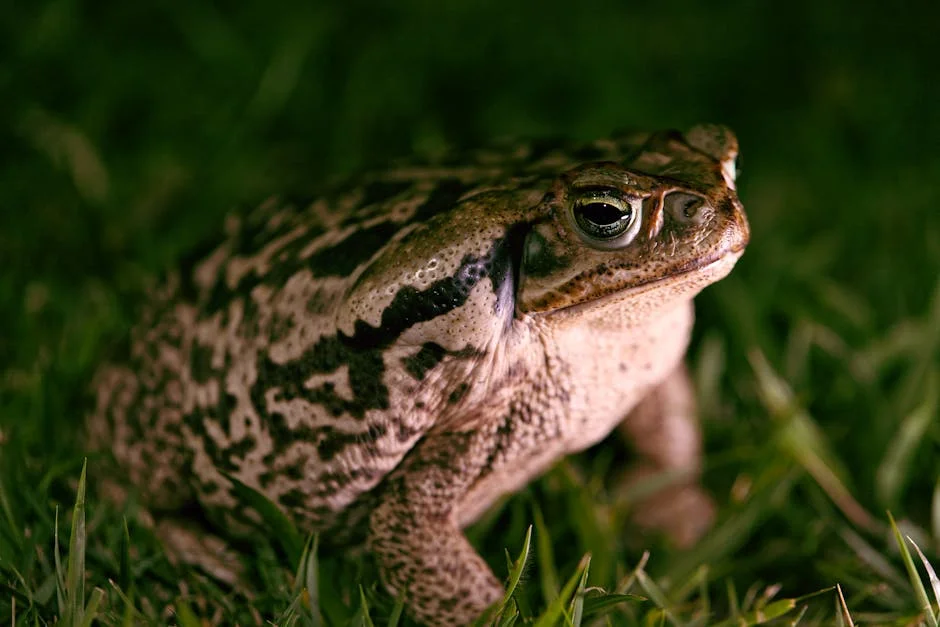
“This is a major threat to our local ecosystem,” said Sarah Mitchell, a volunteer with the Gloucestershire Wildlife Trust. “Toads play a crucial role in controlling insect populations, and their loss could have wider environmental consequences.”
Market and Business Implications


The incident has also raised questions about the broader economic impact of such environmental disruptions. While the direct effect on businesses in Gloucestershire is limited, the event highlights the potential risks associated with infrastructure projects that inadvertently harm natural habitats.
Investors are closely watching how such environmental incidents are managed, as they can influence public perception and regulatory scrutiny. A recent report by the UK Environment Agency noted that similar cases have led to increased compliance costs for companies involved in large-scale water management projects.
Public Response and Community Action
Local volunteers have taken the lead in rescuing toads and relocating them to safer areas. Over the past week, more than 200 toads have been successfully moved to nearby ponds. The efforts have been supported by the Gloucestershire County Council, which has provided logistical assistance.
“We’ve seen a huge outpouring of support from the community,” said volunteer coordinator James Carter. “People understand the importance of protecting local wildlife, and they’re stepping up to help.”
Long-Term Environmental and Economic Impact
The long-term effects of the reservoir drainage on the toad population remain uncertain. Ecologists warn that the disruption could lead to a decline in the species’ numbers, which may have cascading effects on the local food chain and biodiversity.
“This is a wake-up call for water companies and policymakers,” said Dr. Emily Taylor, an environmental scientist at the University of Bristol. “We need better planning to avoid such incidents in the future.”
Regulatory and Policy Considerations
Environmental regulators are now reviewing the incident to determine whether United Utilities followed all necessary protocols. The Office of Water Services (Ofwat) has stated it will investigate the case to ensure compliance with environmental protection laws.
The outcome of this review could set a precedent for future infrastructure projects. If the company is found to have failed in its obligations, it could face fines and be required to implement stricter environmental safeguards in the future.
What to Watch Next
The next critical step is the Ofwat investigation, which is expected to conclude within the next six weeks. Meanwhile, conservation groups are pushing for a review of water management practices to prevent similar incidents. Investors and businesses will be monitoring the situation closely, as it could influence future regulatory approaches and corporate responsibility standards.
See Also
- Frederick Douglass Bridge Shutdown Triggers Economic Ripples
- Apple Names New CEO as Tim Cook Steps Down — Shares Dip 2.5%
“People understand the importance of protecting local wildlife, and they’re stepping up to help.” Long-Term Environmental and Economic Impact The long-term effects of the reservoir drainage on the toad population remain uncertain. What to Watch Next The next critical step is the Ofwat investigation, which is expected to conclude within the next six weeks.
What is the latest news about volunteers rally to save 1000 breeding toads after reservoir drained?
Why does this matter for economy-business?
What are the key facts about volunteers rally to save 1000 breeding toads after reservoir drained?