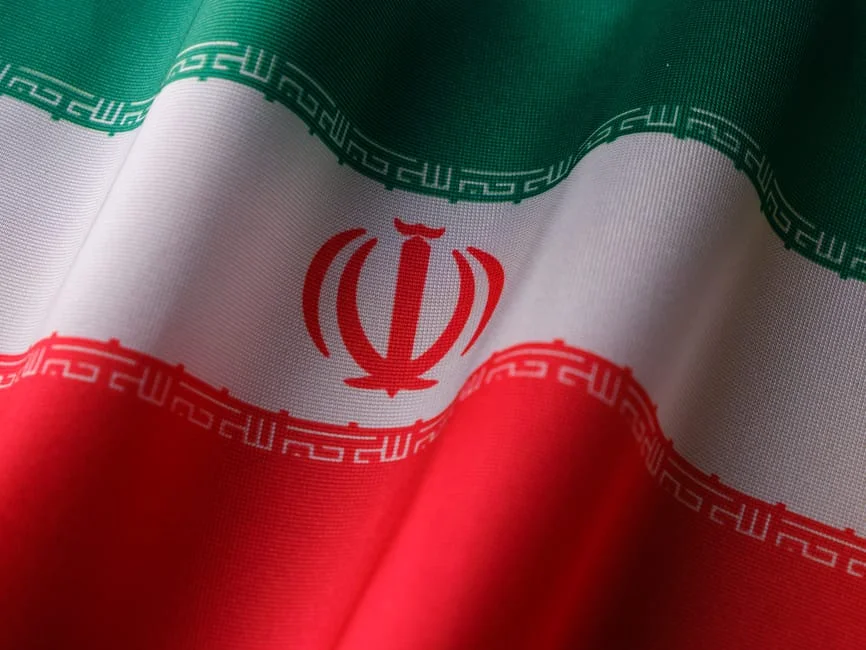
Vance, the U.S. Special Representative for Afghanistan, has postponed his planned trip to Islamabad after Iran failed to respond to U.S. terms for renewed diplomatic engagement. The delay comes amid heightened geopolitical tensions and uncertainty over regional stability. The U.S. had outlined specific conditions for dialogue, but Iran’s silence has left officials in Washington and Islamabad in limbo.
Vance’s Postponement Sparks Concerns Over Regional Stability
The U.S. decision to delay Vance’s visit to Pakistan underscores the fragile state of U.S.-Iran relations. The trip, originally scheduled for early May, was intended to discuss security cooperation and counterterrorism efforts. Without a clear response from Iran, the U.S. has chosen to hold off on further diplomatic steps. This move has raised concerns among regional stakeholders, particularly in Pakistan, where the U.S. has long been a key security partner.
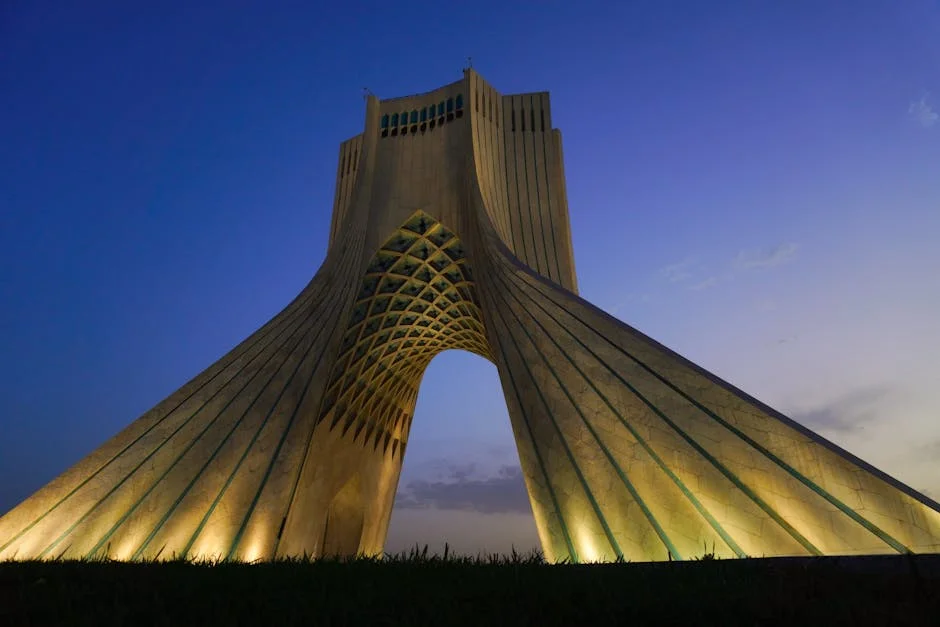
Analysts note that the delay could have ripple effects on regional trade and investment. Pakistan, which relies heavily on U.S. military and economic support, may face increased pressure to navigate its foreign policy independently. “The absence of clear U.S. engagement could lead to a power vacuum in the region,” said Dr. Ayesha Khan, a geopolitical analyst at the Islamabad Institute of Strategic Studies.
Iran’s Stance Reflects Broader Geopolitical Tensions


Iran’s refusal to respond to U.S. terms highlights the deepening divide between the two nations. The U.S. had previously demanded that Iran halt its nuclear program and reduce support for militant groups in the region. Tehran, however, has consistently rejected these demands, citing U.S. sanctions and historical grievances. This standoff has led to increased military posturing, with both sides conducting exercises in the Persian Gulf.
The situation has also affected global markets. Oil prices have fluctuated in response to fears of potential conflict, with Brent crude hitting $82 a barrel on Monday. Investors are closely watching developments in the region, as any escalation could disrupt supply chains and impact energy prices worldwide.
Impact on Businesses and Investors
The uncertainty surrounding U.S.-Iran relations has created a challenging environment for businesses operating in the region. Multinational corporations with operations in Pakistan and the Middle East are reassessing their risk exposure. “Companies are hedging their bets by diversifying supply chains and avoiding high-risk regions,” said Ravi Mehta, a financial analyst at SG Capital.
For investors in Singapore, the situation adds another layer of complexity to regional portfolios. The Singapore Exchange (SGX) has seen increased volatility in energy and defense-related stocks. “The key is to monitor the situation closely and adjust strategies accordingly,” Mehta added. “Investors should remain cautious but not overly reactive.”
Regional Alliances Under Pressure
The U.S.-Iran impasse has also strained relationships among regional allies. Pakistan, which has historically maintained a delicate balance between U.S. and Iranian interests, is now facing pressure from both sides. The country’s foreign ministry has called for a “diplomatic solution” to the crisis, but with no clear path forward, the situation remains tense.
Meanwhile, Gulf states like Saudi Arabia and the UAE are closely monitoring the situation. These countries have been vocal in their support for U.S. efforts to counter Iranian influence, but they are also wary of direct confrontation. “The region is at a crossroads,” said Dr. Omar Al-Farsi, a researcher at the Dubai School of Government. “A miscalculation could have devastating consequences.”
What’s Next for U.S.-Iran Relations?
With no immediate resolution in sight, the focus is shifting to potential diplomatic channels outside of direct U.S.-Iran talks. The United Nations and regional mediators are expected to play a more active role in facilitating dialogue. However, the success of these efforts remains uncertain.
For now, the U.S. has not ruled out future engagement, but it has made it clear that Iran must take concrete steps before any meaningful talks can resume. The next few weeks will be critical in determining whether tensions will ease or escalate further.
Investors and businesses should continue to monitor developments closely. The situation in the Middle East remains one of the most unpredictable factors in global markets. As the U.S. and Iran remain at an impasse, the world watches to see if diplomacy can prevail over confrontation.
See Also
- Entre Launches $500m Housing Fund Amid Tempestades Crisis
- Observador Reports Surge in Consumer Prices — Inflation Hits 12-Month High
“The key is to monitor the situation closely and adjust strategies accordingly,” Mehta added. The next few weeks will be critical in determining whether tensions will ease or escalate further.