Sudan's ongoing civil war has deepened a child hunger crisis, with food prices surging 60% in key regions, according to the United Nations. The conflict, which began in April 2023 between the Sudanese Armed Forces and the Rapid Support Forces, has disrupted supply chains and displaced millions. The World Food Programme (WFP) reported that 20 million people are now facing acute food insecurity, with children under five particularly vulnerable.
Sudan's Economic Collapse Hits Markets Hard
The war has sent shockwaves through regional markets, with traders in Khartoum reporting a 60% spike in the price of basic staples like rice and flour. The Sudanese pound has lost 80% of its value since the conflict began, making imports prohibitively expensive. The Central Bank of Sudan has struggled to stabilize the currency, and the government has imposed restrictions on foreign exchange transactions, further deepening the crisis.
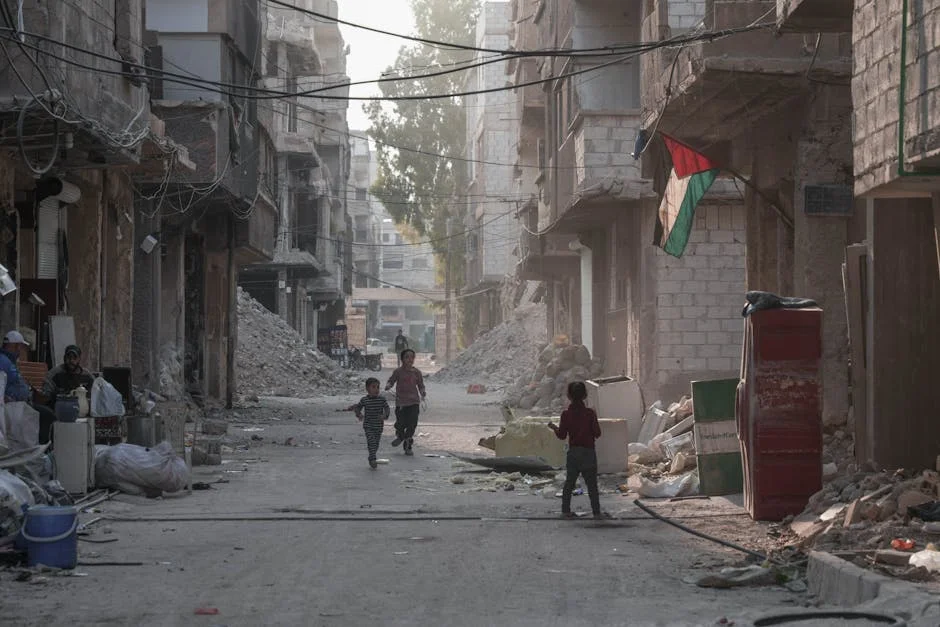
Investors are increasingly wary of the country’s economic outlook. The African Development Bank warned that Sudan’s GDP could contract by 15% in 2024 if the conflict continues. Multinational companies, including those in agriculture and energy, have scaled back operations or withdrawn entirely. "The instability is making it impossible to plan for the future," said a senior executive at a European agribusiness firm operating in the region.
Humanitarian Aid Struggles to Keep Up

Humanitarian organizations are racing to deliver aid, but the war has made access to affected areas extremely difficult. The WFP has suspended operations in several areas due to security risks, and local NGOs report that aid is often diverted or stolen. In the city of Port Sudan, where a large refugee camp has emerged, aid workers say that one in three children is suffering from severe acute malnutrition.
UNICEF has called for an emergency funding appeal, highlighting that 3.5 million children under five are at risk of starvation. "This is not just a humanitarian disaster — it’s an economic catastrophe," said UNICEF’s Sudan representative, Dr. Amina Hassan. "If the international community doesn’t act now, the long-term consequences will be irreversible."
Regional Economic Spillover Effects
The crisis is not confined to Sudan. Neighboring countries like South Sudan and Ethiopia are also feeling the strain, as refugees flood across borders and trade routes are disrupted. In South Sudan, food prices have risen by 30% in the past six months, according to the International Food Policy Research Institute. The East African Community has expressed concern over the growing instability and its impact on regional trade.
Investors in the region are reevaluating their exposure to Sudan and its neighbors. The African Union has urged for a coordinated response, but political divisions have stalled any meaningful intervention. "The longer the war continues, the more it will destabilize the entire region," said Dr. Samuel Njoroge, an economist at the University of Nairobi.
Impact on Global Commodity Markets
The war has also disrupted Sudan’s role as a key producer of sesame and gum arabic, commodities that are vital to global supply chains. In 2023, Sudan exported over 1.2 million tonnes of sesame, much of it to China and India. With production down by 40%, global prices have started to rise. The International Trade Centre reported a 15% increase in sesame prices in the first quarter of 2024.
Investors are now closely watching the situation, with some fearing a broader commodities crisis. "If the conflict spreads, it could trigger a ripple effect across African and global markets," said Sarah Lin, a commodities analyst at Goldman Sachs.
What to Watch Next
As the war enters its 10th month, the focus is shifting to the upcoming African Union summit in June, where a new peace initiative may be proposed. Humanitarian groups are also pushing for a cross-border aid corridor to be established, but security concerns remain a major obstacle. For investors, the next few months will be critical in determining whether Sudan’s economy can stabilize or if the crisis will deepen further.
The international community faces a difficult choice: to intervene militarily, provide more aid, or risk the long-term economic and social collapse of one of Africa’s most vulnerable nations. The coming weeks will determine whether the world acts in time to prevent a full-blown regional catastrophe.
See Also
- Assam BJP Leader Nandita Garlosa Joins Congress After Not Getting Ticket
- Tamil Nadu's Election Shocker: Film Star's Influence Reshapes Market Dynamics
The East African Community has expressed concern over the growing instability and its impact on regional trade. Impact on Global Commodity Markets The war has also disrupted Sudan’s role as a key producer of sesame and gum arabic, commodities that are vital to global supply chains.
What is the latest news about sudan war sparks child hunger crisis food prices surge 60?
Why does this matter for politics-governance?
What are the key facts about sudan war sparks child hunger crisis food prices surge 60?