South Africa’s government has announced a temporary ban on coal exports, a move aimed at stabilising domestic energy prices and ensuring supply for local power plants. The decision, made by the Department of Mineral Resources and Energy, comes amid a growing energy crisis and rising inflation. The ban, effective immediately, has already triggered sharp reactions from international traders and local businesses.
Energy Crisis Forces Government Action
The South African government has long struggled with power shortages due to the underperformance of state-owned utility Eskom. Last month, the country experienced rolling blackouts affecting over 10 million households. In response, the Department of Mineral Resources and Energy issued a directive to halt all coal exports for 90 days. This is the first such ban since 2015, when a similar measure was taken to address a power shortfall.
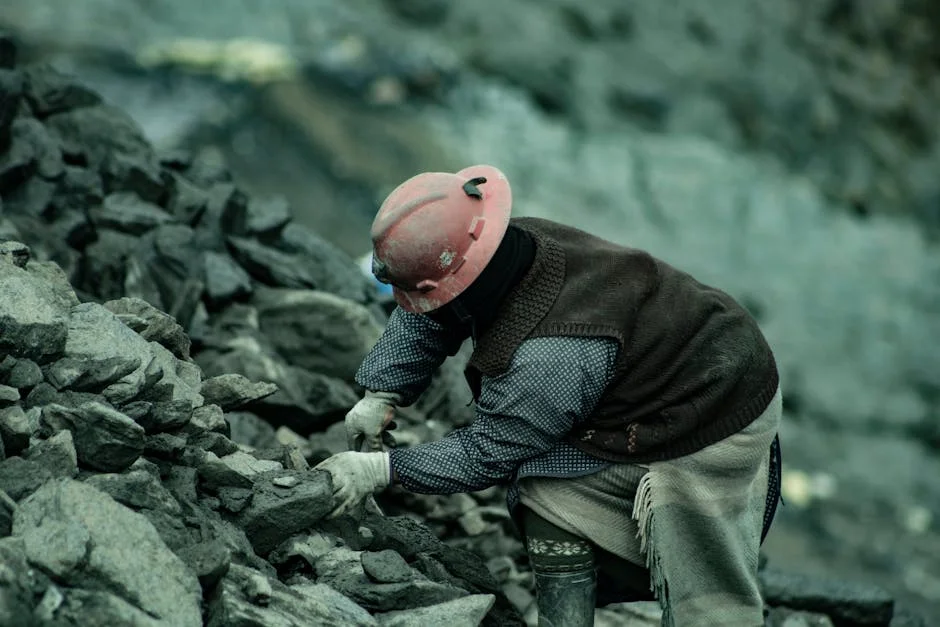
The move is expected to increase the availability of coal for local power stations, potentially reducing the frequency of load-shedding. However, it has also raised concerns about the country’s reliance on coal for energy and its long-term environmental impact. The directive has been met with mixed reactions from both domestic and international stakeholders.
Market Reactions and Investor Concerns
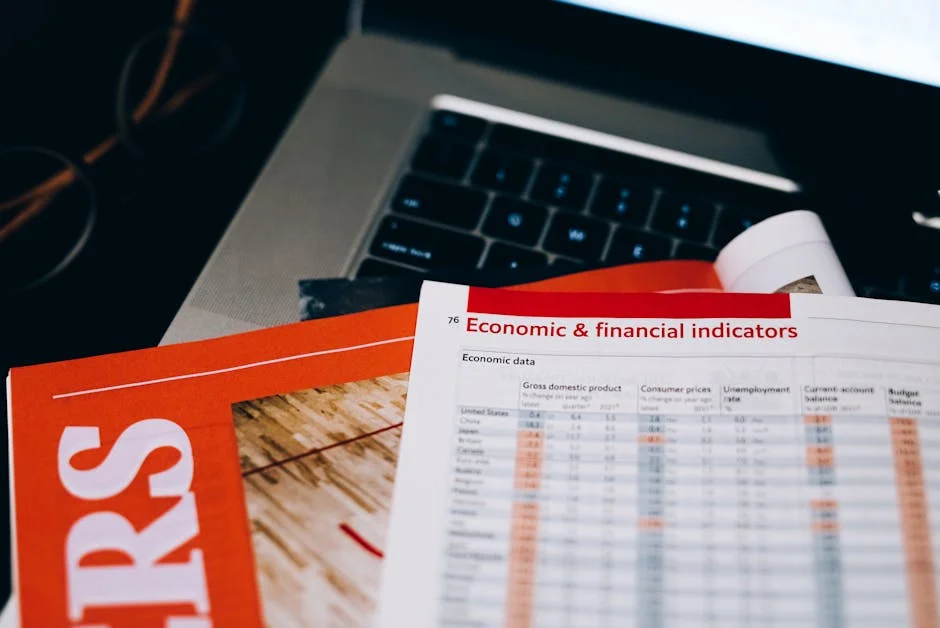
International coal traders have already started to adjust their strategies. The price of thermal coal on the global market surged by 12% within 24 hours of the announcement, as investors anticipated supply disruptions. In Johannesburg, the JSE Energy Index dropped by 3.5%, reflecting concerns over the long-term stability of South Africa’s energy sector.
Investors are particularly worried about the impact on Eskom, which has been under financial strain for years. The company reported a deficit of R21 billion (about $1.2 billion) in the first quarter of 2024, and the coal export ban may further strain its operations. Analysts at FNB Capital warned that the move could lead to higher electricity tariffs, which would hit both households and businesses.
Businesses Face Uncertainty
Local industries, particularly those reliant on consistent power supply, are bracing for the consequences. The automotive sector, which is a major employer in the country, has expressed concerns about potential production delays. “We need stable energy to maintain our operations,” said Sipho Mkhwanazi, CEO of BMW South Africa. “This move may force us to reconsider our long-term investment plans.”
Small and medium enterprises (SMEs) are also feeling the pressure. Many have already been hit by power cuts, and the export ban may exacerbate the situation. The South African Chamber of Commerce and Industry (SACCI) has called for a review of the policy, arguing that it could harm the country’s export competitiveness.
Global Implications and Trade Partners
South Africa is a key coal supplier to countries in the Asia-Pacific region, particularly India and China. The export ban has already caused supply chain disruptions. India’s state-owned Coal India has begun to look for alternative sources, while China has warned that the move could destabilise regional energy markets.
The African Development Bank (AfDB) has expressed concern over the decision, noting that it may undermine regional energy cooperation. “While the intention to prioritise domestic needs is understandable, the abrupt nature of the policy could have unintended consequences,” said AfDB Senior Economist Naledi Molefe.
Environmental and Economic Considerations
The ban has also sparked a debate over South Africa’s energy transition. While the government has pledged to reduce its reliance on coal, the current energy crisis has forced a temporary reliance on the fossil fuel. Environmental groups have criticised the move, arguing that it undermines climate commitments. “This is a step backward for the green agenda,” said Dr. Lindiwe Sibanda, head of the South African Climate Change Coalition.
On the other hand, some economists argue that the move is necessary to stabilise the economy. “South Africa cannot afford to let its energy sector collapse,” said Professor Mpho Molefe from the University of Cape Town. “This is a short-term measure, but it may be the only way to prevent a deeper economic crisis.”
What to Watch Next
The 90-day export ban will be reviewed in mid-May, and the government has promised to assess its impact on the energy sector. Meanwhile, the International Energy Agency (IEA) is expected to release a report on South Africa’s energy strategy in the coming weeks. Investors and businesses will be closely monitoring these developments, as the policy could have long-term implications for the country’s economic and environmental trajectory.
For now, the focus remains on how the ban will affect the daily lives of South Africans, the stability of Eskom, and the broader regional energy market. The coming months will be critical in determining whether this move is a temporary fix or a sign of a more profound shift in South Africa’s energy policy.
See Also
- Ruben Amorim Returns to Alvalade in Major Management Shift
- Venezuela Halts Football Transfers Amid Economic Crisis
What is the latest news about south africa halts coal exports to boost domestic prices?
Why does this matter for economy-business?
What are the key facts about south africa halts coal exports to boost domestic prices?