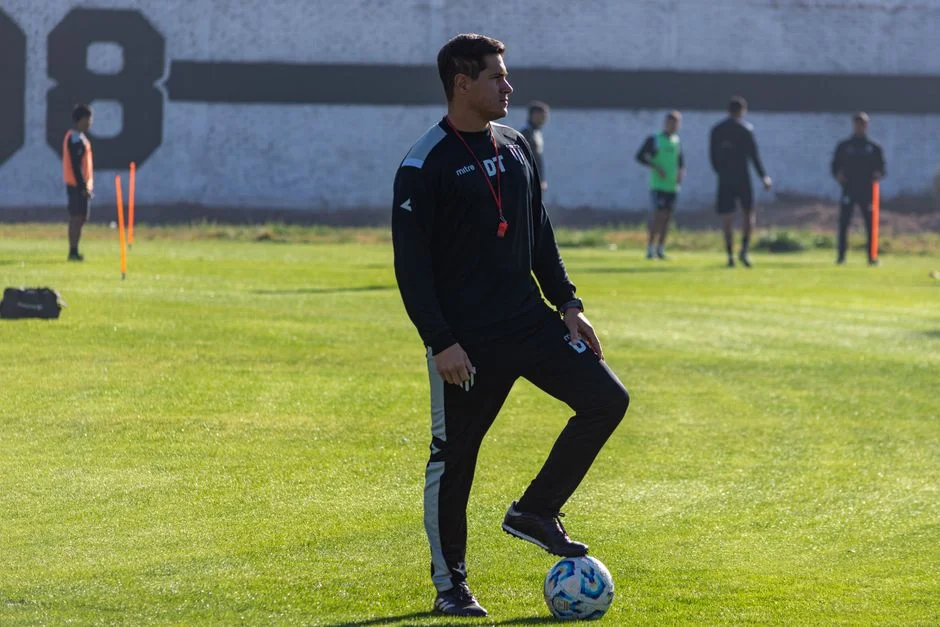
Cape Town Super 7s, a grassroots football event in the Western Cape, has drawn thousands of spectators and participants, with the girls' division gaining significant attention. The event, held at Salt River Blackpool Football Club’s stadium, saw a 15% increase in youth participation compared to last year, highlighting a growing investment in women’s sports. This shift reflects broader economic and social trends in South Africa’s sporting sector.
Grassroots Football Gains Momentum
The Cape Town Super 7s, an annual event, has become a key platform for local football development. This year, the girls’ division saw an increase in team registrations, with over 200 young athletes taking part. The event, hosted by Salt River Blackpool Football Club, is supported by the Western Cape Department of Sports, Arts and Culture, which has allocated R2 million in funding for grassroots initiatives. This investment signals a shift in national priorities toward inclusive sports development.

The rise in participation is not just a social win but an economic one. Local businesses, particularly in the Salt River area, reported a 20% increase in sales during the event. Restaurants, vendors, and accommodation providers benefited from the influx of visitors. This boost in foot traffic highlights how community sports events can stimulate local economies, especially in underdeveloped regions.
Investment in Women’s Sports Sparks Debate


The expansion of the girls’ division at the Cape Town Super 7s has sparked conversations about gender equity in sports funding. While the event has received widespread acclaim, some critics argue that more targeted investment is needed to ensure long-term sustainability. Dr. Lindiwe Sibanda, a sports economist at the University of Cape Town, notes that “the current model shows promise, but without sustained funding, the gains could be short-lived.”
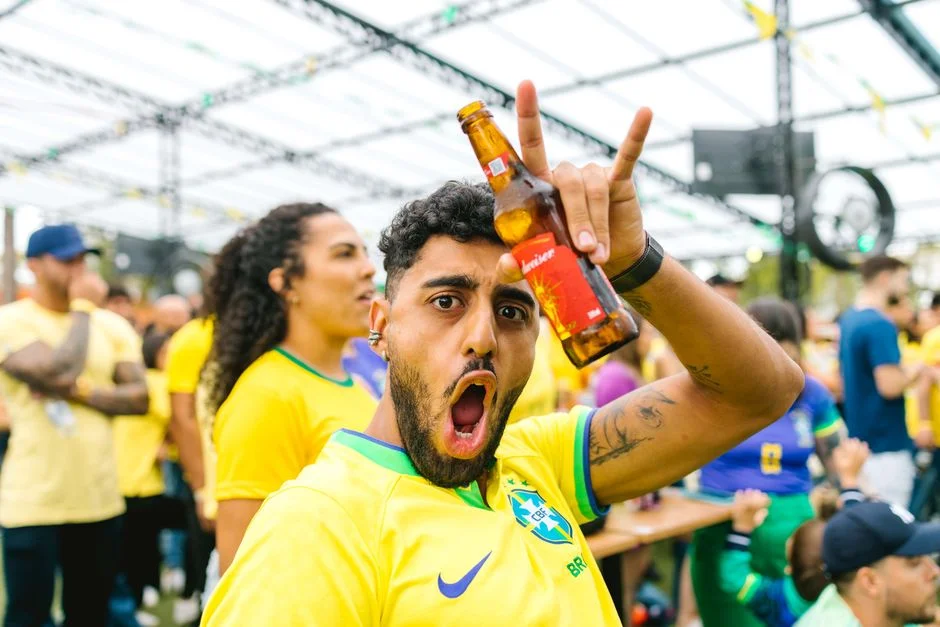
Investors and businesses are taking note. Several local sponsors, including a major beverage company, have pledged to increase their support for women’s football. This trend aligns with global movements toward gender equality in sports, which are increasingly seen as a marker of a country’s social and economic progress.
What This Means for the Economy
The success of the Cape Town Super 7s underscores the potential of grassroots sports to drive economic growth. By investing in local talent and infrastructure, the event has created jobs, boosted tourism, and encouraged private sector involvement. This model could serve as a blueprint for other regions looking to leverage sports for economic development.
For investors, the growing interest in women’s sports presents new opportunities. Companies that align with these initiatives may see increased brand loyalty and market share. In South Africa, where youth unemployment remains a pressing issue, sports events like the Super 7s offer a unique way to engage and empower young people.
Looking Ahead
The next phase of the Cape Town Super 7s will focus on expanding the girls’ division and securing long-term funding. Organisers plan to host a regional tournament in 2025, with hopes of attracting international sponsors. Meanwhile, the Western Cape Department of Sports, Arts and Culture has announced a review of its funding criteria to ensure greater support for women’s initiatives.
As the event continues to grow, its impact on the local and national economy will be closely watched. Investors and policymakers alike are keen to see whether this model can be replicated across other sectors. For now, the Cape Town Super 7s stands as a powerful example of how grassroots sports can drive social and economic change.
See Also
- Gandhi Slams Modi Over Norway Silence — Market Confidence Takes Hit
- Wolfsburg Collapses in 3-6 Loss to Leverkusen Amid Bundesliga Struggles
Several local sponsors, including a major beverage company, have pledged to increase their support for women’s football. This trend aligns with global movements toward gender equality in sports, which are increasingly seen as a marker of a country’s social and economic progress.