Singaporean consumers are being urged to exercise caution after reports surfaced of counterfeit perfumes made from horse urine being sold online. The Ministry of Health (MOH) has issued a warning following concerns raised by the Singapore Society of Chemists, which identified several unregulated products containing equine-based compounds. These items, marketed as "natural" or "exclusive," are being sold at suspiciously low prices on e-commerce platforms.
Market Reactions and Consumer Concerns
The discovery has sparked immediate concern among regulators and consumers alike. A recent survey by the Singapore Consumer Association found that 32% of online shoppers have encountered products with questionable ingredients. The MOH confirmed that it is working with major e-commerce platforms to remove listings of the suspected products. “We are taking this matter seriously,” said MOH spokesperson Dr. Lim Wen Hui. “Consumers should not assume that cheaper products are safer.”
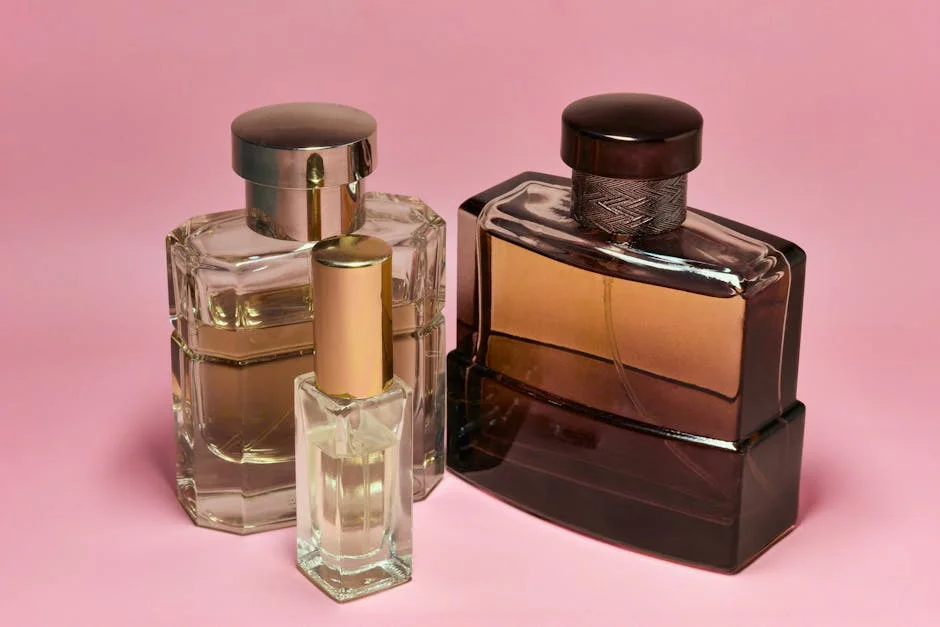
Experts warn that the use of horse urine in perfumes is not only unregulated but potentially harmful. Dr. Tan Wei Lin, a toxicologist at Nanyang Technological University, explained that “horse urine contains high levels of urea and ammonia, which can irritate the skin and cause allergic reactions.” The Ministry has also raised concerns about the lack of transparency in the supply chain, with many products originating from unverified international suppliers.
Business Implications and Regulatory Response


The incident has raised questions about the oversight of online retail in Singapore. E-commerce platforms such as Shopee and Lazada have faced pressure to improve their product verification processes. In response, both companies have announced plans to introduce stricter supplier vetting procedures. “We are committed to ensuring the safety of our users,” said a spokesperson for Shopee. “We are working closely with the MOH to identify and remove any potentially harmful products.”
The Singapore Retailers Association (SRA) has called for a more comprehensive regulatory framework to address the growing issue of counterfeit goods. “This incident highlights the need for stronger enforcement of product safety laws,” said SRA director Ms. Loh Mei Ling. “We urge the government to consider stricter penalties for sellers who knowingly distribute harmful or unverified products.”
Investor and Economic Impact
The controversy has also drawn attention from investors in the fragrance and beauty industry. Shares of local fragrance manufacturers saw a slight dip following the news, as concerns over product safety spread. Analysts at DBS Bank noted that “consumer trust is a critical factor in the beauty sector. Any perceived risk can lead to a shift in purchasing behavior.”
Despite the concerns, some experts believe the incident could lead to long-term improvements in product regulation. “This is an opportunity for the industry to strengthen its standards,” said Dr. Tan. “With proper oversight, Singapore could emerge as a leader in safe and transparent beauty product distribution.”
Consumer Advice and Next Steps
Consumers are advised to avoid purchasing perfumes from unverified sellers and to check for official certifications. The MOH has also launched a dedicated hotline for reporting suspicious products. “If you suspect a product is unsafe, please report it immediately,” urged Dr. Lim. “Your vigilance helps protect others.”
Looking ahead, the MOH plans to introduce a new certification system for fragrance products by the end of the year. This system will require all products sold in Singapore to undergo rigorous safety testing. “We are committed to ensuring that Singapore remains a safe and trusted market for consumers,” said Dr. Lim. “This is just the beginning of a broader initiative to enhance product safety.”
Consumers should monitor updates from the Ministry of Health and stay informed about new regulations. As the market adapts to these changes, the focus will remain on balancing affordability with safety in the beauty industry.
See Also
- Nigerians in Philippines, Cambodia Demand Justice Over Monthly Dues Dispute
- Japan’s Immigration Crackdown Forces Curry Shops to Cut Staff and Raise Prices
Analysts at DBS Bank noted that “consumer trust is a critical factor in the beauty sector. Any perceived risk can lead to a shift in purchasing behavior.” Despite the concerns, some experts believe the incident could lead to long-term improvements in product regulation.