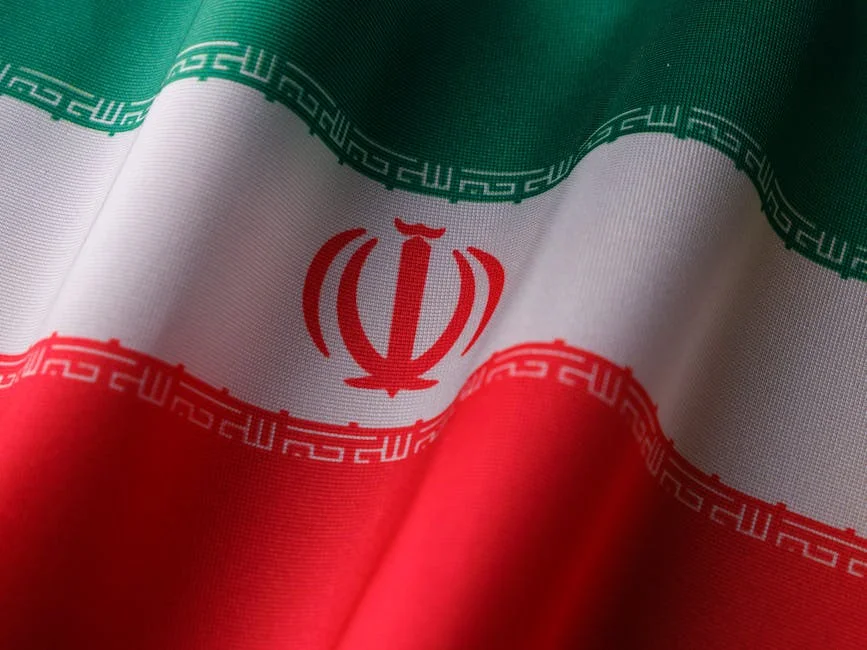
US President Donald Trump has issued a direct warning to Iran, stating that the country "cannot blackmail the US through the Strait of Ormuz," following recent tensions over maritime access in the region. The statement comes amid rising concerns over regional security and potential disruptions to global trade. The Strait of Ormuz, a vital chokepoint for about 20% of the world’s oil supply, has become a focal point in US-Iran relations, with the US vowing to protect free passage.
Strategic Tensions Escalate
The Strait of Ormuz, located between Iran and Oman, is a critical maritime route for global energy exports. In recent months, Iran has taken actions that have raised alarms among international stakeholders. The US has accused Iran of attempting to restrict shipping through the strait, a move that could disrupt global supply chains and impact energy prices. Trump’s comments signal a hardening stance from the US, which has already imposed sanctions on Iranian entities involved in maritime activities.
According to the US Department of Energy, the strait handles approximately 17 million barrels of oil per day, making it one of the most strategically important waterways in the world. Any disruption could lead to immediate price spikes in global crude markets. Analysts at the International Energy Agency have warned that even a short-term closure of the strait could cause a 10% increase in oil prices, impacting consumers and businesses worldwide.
Market Reactions and Investor Concerns

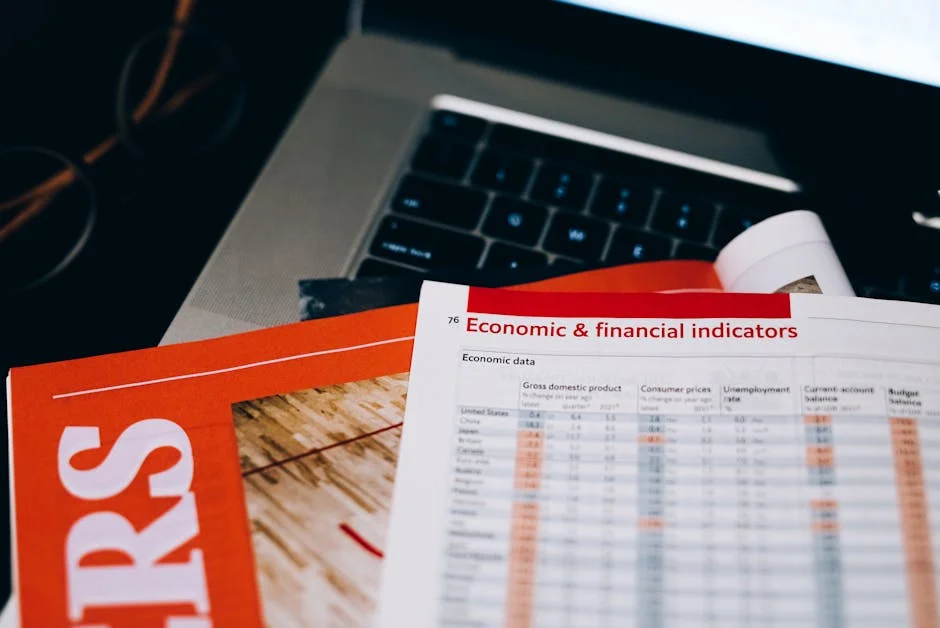
Financial markets have reacted swiftly to the escalating rhetoric. On the day of Trump’s statement, the price of Brent crude oil rose by 2.3%, reflecting heightened anxiety over potential supply disruptions. Investors are closely watching the situation, as the Strait of Ormuz is a key determinant of global energy stability. Major oil companies, including ExxonMobil and Chevron, have issued internal risk assessments, preparing for possible supply chain adjustments.
“The Strait of Ormuz is a geopolitical flashpoint with immediate economic consequences,” said Dr. Emily Carter, a senior analyst at the Global Energy Institute. “Any escalation in tensions could trigger a cascade of market volatility, particularly in energy and shipping sectors.”
Regional Implications and Business Impact
The situation has significant implications for businesses operating in the region. Shipping companies, such as Maersk and CMA CGM, have begun rerouting vessels to avoid the Strait of Ormuz, increasing transport costs and delivery times. The International Chamber of Commerce has issued a statement urging all parties to de-escalate tensions to prevent economic fallout.
Trade hubs like Dubai and Singapore, which rely heavily on the Strait of Ormuz for cargo movement, are also closely monitoring the situation. The Dubai Maritime City Authority has warned that even a temporary disruption could cost the emirate over $500 million in lost revenue. For investors, the uncertainty is a double-edged sword—while some see opportunities in energy price fluctuations, others are concerned about long-term instability.
Historical Context and Geopolitical Stakes
Historically, the Strait of Ormuz has been a flashpoint in US-Iran relations. In 2019, Iran briefly seized a British oil tanker, prompting a diplomatic crisis. The incident led to a temporary surge in oil prices and increased military presence in the region. The current tensions echo similar patterns, with both sides engaging in posturing that could have far-reaching consequences.
Iran's actions are seen by many as a response to US sanctions, which have crippled its economy. The country has repeatedly accused the US of trying to isolate it economically, while the US maintains that its policies are aimed at curbing Iranian influence in the Middle East. This geopolitical tug-of-war is now playing out in the Strait of Ormuz, with global markets watching closely.
Investor Outlook and Next Steps
For investors, the situation underscores the importance of diversifying energy portfolios and monitoring geopolitical risks. Hedge funds have increased their bets on oil price volatility, with the CBOE Volatility Index (VIX) rising by 1.8% following Trump’s remarks. Analysts suggest that investors should remain cautious, as the situation in the Strait of Ormuz could evolve rapidly.
Looking ahead, the next few weeks will be critical. The US and Iran are expected to engage in diplomatic talks in Geneva, though both sides have shown little willingness to compromise. Meanwhile, the International Maritime Organization has called for an emergency meeting to assess the security of the Strait of Ormuz. Investors and businesses should stay informed as the situation unfolds.
The Strait of Ormuz remains a key battleground in global geopolitics, with the potential to influence energy markets, trade routes, and investor sentiment. As tensions continue to rise, the world will be watching closely to see how the situation develops and what it means for the global economy.
See Also
- Vali Nasr Warns Iran’s War Will Reshape Nation’s Future
- FCCPC Probes Viral Bread Review — Sparks Concerns for SG Investors
What is the latest news about trump warns iran no more blackmail via ormuz strait?
Why does this matter for economy-business?
What are the key facts about trump warns iran no more blackmail via ormuz strait?