Texprocil, India’s leading cotton textile association, has rejected allegations from the United States Trade Representative (USTR) that the country’s textile sector is unfairly subsidising exports. The dispute, which erupted in April, has raised concerns among global traders and investors about potential trade tensions between the two economic powerhouses.
Texprocil's Response to U.S. Allegations
Texprocil, based in Mumbai, issued a formal statement on April 12, denying the USTR’s claims that India is providing illegal subsidies to its textile manufacturers. The organisation argued that its members operate under a competitive market environment, with no direct government support. "We categorically reject these allegations," said Ramesh Chauhan, President of Texprocil. "India’s textile industry is one of the most competitive in the world, and we are committed to fair trade practices."
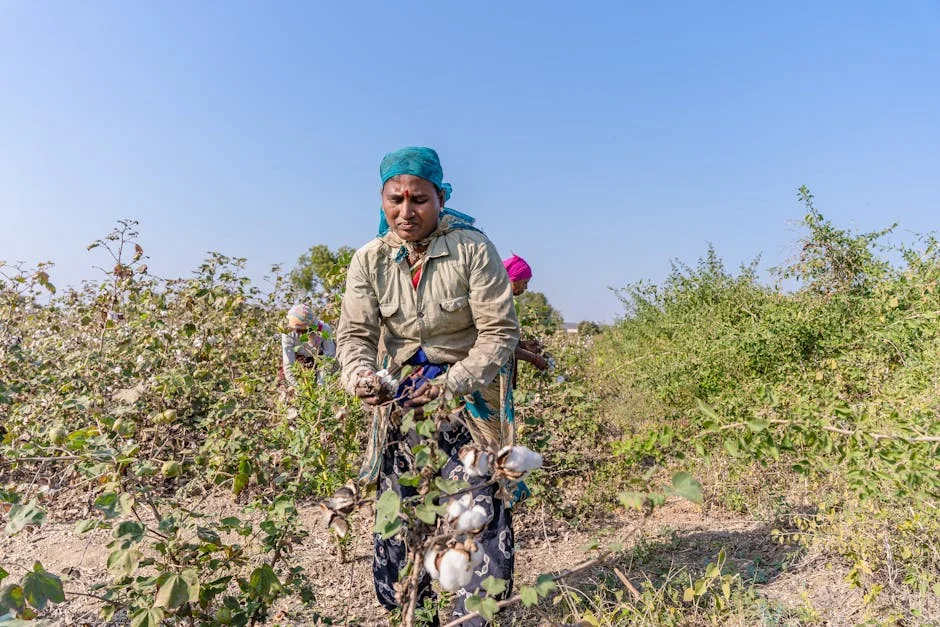
The USTR had previously raised concerns about India’s cotton industry, citing a 2022 report that suggested some companies benefited from indirect support. The allegations come as the U.S. government seeks to address trade imbalances and protect domestic industries. The dispute highlights the growing complexity of global trade relations, with India’s textile sector playing a critical role in its export economy.
Market Reactions and Investor Sentiment


The controversy has already triggered a mixed response in financial markets. On April 13, the S&P BSE Sensex fell 0.6% as investors weighed the implications of potential trade restrictions. Meanwhile, the U.S. dollar index rose 0.4% against the rupee, reflecting concerns over a possible trade war. Analysts at ICICI Securities noted that the textile sector accounts for 13% of India’s total exports, making it a key economic pillar.
Investors are closely monitoring the situation, with many fearing that a prolonged dispute could lead to higher tariffs or restrictions on Indian textiles. “This is a delicate moment for the sector,” said Anjali Mehta, a senior economist at Kotak Mahindra Bank. “Any escalation could disrupt supply chains and impact global buyers reliant on Indian cotton products.”
Economic Implications for India
The textile industry is a major employer in India, providing jobs to over 45 million people, including 3.5 million in the organised sector. A trade conflict with the U.S. could have significant consequences for both employment and export revenues. In 2023, India exported textiles worth $42 billion, with the U.S. accounting for 12% of that total.
The government has not yet issued a formal response, but officials have expressed confidence in the sector’s resilience. “India’s textile industry has always adapted to global challenges,” said Commerce Secretary Pankaj Choudhary. “We are committed to ensuring that our exporters are not unfairly targeted.”
Global Trade Tensions and Regional Impact
The dispute is part of a broader pattern of trade tensions between the U.S. and India, particularly in the textile and agricultural sectors. Similar allegations have been raised against India’s sugar and dairy industries, leading to ongoing negotiations at the World Trade Organisation (WTO). The situation is also affecting regional trade partners, with countries like Bangladesh and Vietnam expressing concerns about potential ripple effects.
India’s textile exports to the U.S. have grown by 8% year-on-year in 2024, according to the Ministry of Textiles. However, the current allegations could slow that growth, particularly if the U.S. imposes additional restrictions. The outcome of the dispute will likely influence trade negotiations between the two countries, including talks on the U.S.-India Trade Policy Forum.
What to Watch Next
The next key development will be the USTR’s official response to Texprocil’s denial, expected within the next two weeks. If the U.S. escalates the issue, it could trigger a formal investigation under Section 301 of the Trade Act of 1974. Meanwhile, Indian textile companies are preparing for potential market adjustments, including diversifying export destinations and increasing domestic production.
Investors and businesses should closely monitor trade negotiations and policy updates from both the U.S. and Indian governments. The situation underscores the growing importance of trade relations in shaping economic outcomes for global markets. As the dispute unfolds, the textile sector’s ability to navigate these challenges will be a key indicator of India’s broader economic resilience.
See Also
- Senegal's Copa Crisis Sparks Investor Concerns
- India's Communists Decline — What This Means for Economic Stability
As the dispute unfolds, the textile sector’s ability to navigate these challenges will be a key indicator of India’s broader economic resilience. could have significant consequences for both employment and export revenues.
What is the latest news about texprocil denies us claims on indias cotton textiles?
Why does this matter for economy-business?
What are the key facts about texprocil denies us claims on indias cotton textiles?