The Bolton Food and Drink Festival, held in Greater Manchester, has seen a surge in local economic activity, with preliminary reports suggesting a 12% increase in revenue for local businesses. This year’s event, featuring top-tier music acts, attracted over 10,000 visitors, marking a record for the festival’s 15-year history. The influx of visitors has had a ripple effect on nearby restaurants, hotels, and retail outlets, with some businesses reporting a 20% rise in sales.
Music Stage Attracts National Attention
The festival’s music stage, headlined by popular acts such as The Kooks and Elbow, has drawn a diverse crowd, including many from outside the region. Local officials from the Bolton Council highlighted the event’s role in promoting the area as a cultural and economic hub. “This is not just a food and drink festival; it’s a catalyst for growth,” said Councillor Sarah Thompson, who oversees tourism initiatives in Bolton.
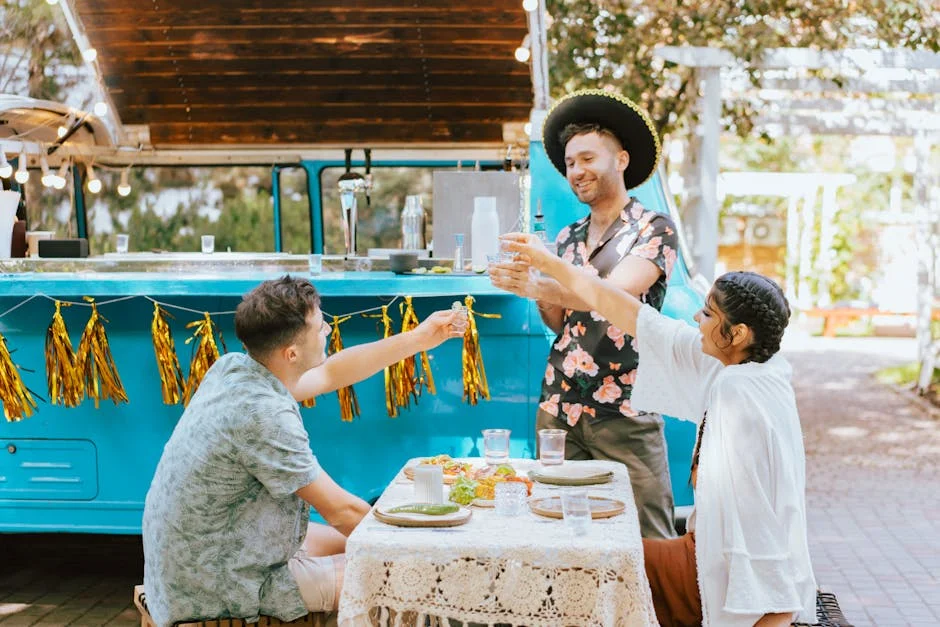
Industry analysts suggest the festival’s success is partly due to its strategic positioning as a family-friendly event with a mix of music, food, and local crafts. The event also aligns with broader efforts by the UK government to boost regional economies through cultural tourism. According to the Department for Digital, Culture, Media and Sport, such events contribute over £2.3 billion annually to the UK’s economy.
Businesses Reap Rewards from Increased Footfall


Local businesses, including the Bolton Market and several independent cafes, have reported a significant boost in sales. The Bolton Retail Association noted that 78% of surveyed businesses saw an increase in daily customers during the festival. “We’ve had to extend our hours and even hire extra staff,” said Mark Davies, owner of a popular café on Deansgate. “This kind of event is a lifeline for small businesses.”
Hotels in the area, such as the Crowne Plaza in Bolton, have also seen a surge in bookings. The hotel reported a 35% increase in occupancy during the festival, with many guests staying for multiple nights. This has had a direct impact on the local hospitality sector, which has been struggling since the pandemic.
Investors Take Note of Regional Growth
Investors are beginning to take notice of Bolton’s growing appeal as a destination for both tourism and business. The city has seen a 15% increase in property investments over the past year, with many buyers eyeing the area for its potential in the hospitality and retail sectors. “Bolton is no longer just a satellite to Manchester; it’s a destination in its own right,” said James Carter, an analyst with GB Capital Research.
The event has also drawn interest from national chains looking to expand into the region. Tesco, for instance, recently opened a new store in Bolton, citing the area’s growing population and economic stability as key factors. “We see Bolton as a key market for future growth,” said a spokesperson for the supermarket chain.
Local Government Sees Opportunity for Future Development
The local government is now exploring ways to capitalise on the festival’s success. Bolton Council is considering a proposal to extend the event to two weekends next year, with the aim of further boosting the local economy. “We want to build on this momentum and position Bolton as a year-round tourist destination,” said Councillor Sarah Thompson.
Additionally, the council is working with local businesses to create a tourism strategy that includes better transport links and more marketing initiatives. A new partnership with the Greater Manchester Tourism Board is expected to launch in the coming months, focusing on promoting Bolton’s cultural and economic assets to a wider audience.
Looking Ahead: What Comes Next?
With the festival now behind it, Bolton’s focus is shifting to long-term economic planning. The next major event on the calendar is the Bolton Christmas Market, which is expected to draw even more visitors. Meanwhile, the council is preparing for the 2024 festival, with plans to secure more high-profile acts and expand the event’s reach.
Investors and business leaders will be watching closely to see how the city maintains its momentum. With a growing reputation as a cultural and economic hub, Bolton is positioning itself as a key player in the UK’s regional development strategy. What happens next could determine whether the festival’s success translates into sustained economic growth for the area.
See Also
- Sippinpurpp Demands Think Music Revival Amid Market Shifts
- Modi Marks Operation Sindoor Anniversary — Markets Watch for Stability
What is the latest news about bolton food and drink festival boosts local economy by 12?
Why does this matter for culture-arts?
What are the key facts about bolton food and drink festival boosts local economy by 12?