Denis, a local leader in Gabon’s Pointe region, has initiated a centuries-old animist ritual to protect the coastline from erosion and pollution. The ceremony, held on the shores of the Gabonese capital Libreville, drew hundreds of worshippers and marked a renewed effort to blend traditional practices with modern environmental concerns. The move comes as coastal degradation threatens both local ecosystems and economic activities such as fishing and tourism.
Reviving Ancient Practices for Modern Challenges
The ritual, which involves offerings to ancestral spirits believed to guard the sea, has been held for generations but has seen a resurgence in recent years. Denis, a respected community figure, explained that the practice is not just spiritual but also a way to raise awareness about the environmental damage caused by industrial runoff and overfishing. “We are not just preserving our culture,” he said. “We are protecting the livelihoods of our people.”
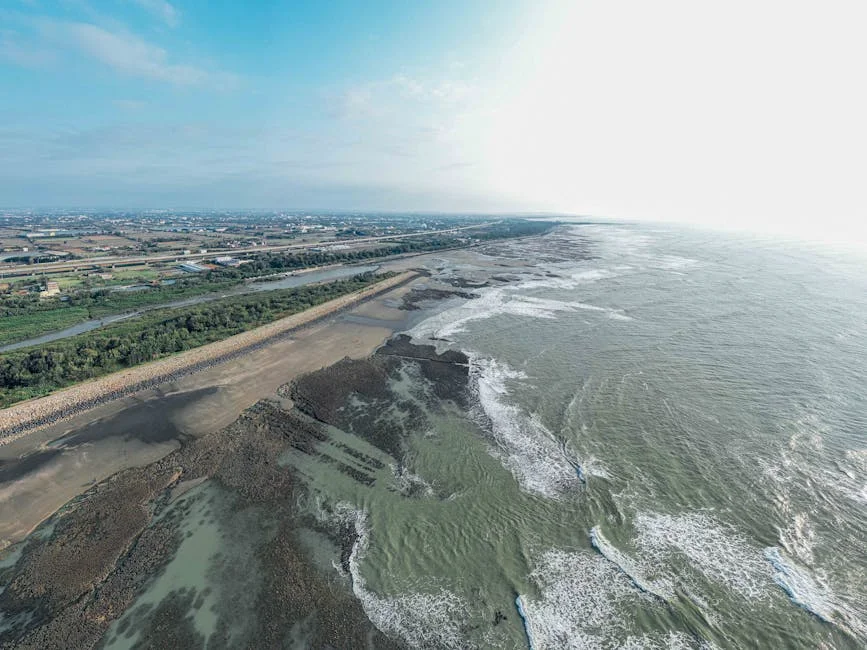
Environmental experts in Gabon have acknowledged the symbolic value of the ritual but stress that it must be paired with concrete policy changes. The country’s Ministry of Environment has reported a 15% increase in coastal erosion over the past decade, with the Pointe region experiencing the highest rate of loss. “This ceremony is a powerful reminder of the connection between tradition and nature,” said Dr. Amina Mbaye, an environmental scientist at the University of Libreville. “But it needs to be part of a broader strategy.”
Market and Business Implications


The coastal degradation has already begun to impact local businesses, particularly in the fishing and tourism sectors. Fishermen in the Pointe region report a 20% decline in catch over the last three years, attributed to both pollution and habitat loss. Tour operators, too, are seeing a drop in visitors, with some citing concerns over the condition of the coastline. “We are losing customers because the beaches are getting dirtier,” said Marie Kombi, owner of a small resort near Libreville. “This ritual may help, but we need more than prayers.”
Investors in the region are watching closely. While Gabon’s economy remains heavily reliant on oil and timber, the government has been pushing for diversification, with eco-tourism and sustainable fishing as key areas of focus. The success of initiatives like Denis’s ritual could influence future investment decisions, particularly in green infrastructure projects. “If traditional knowledge can be integrated into environmental policy, it could create a more resilient economic model,” said Samuel Nguema, an economist at the Gabonese Institute of Economic Research.
Investor and Policy Considerations
For investors, the challenge lies in balancing cultural preservation with economic growth. While the ritual itself does not directly impact financial markets, the broader environmental concerns it highlights could influence long-term investment strategies. Companies operating in Gabon, especially those in the energy and agriculture sectors, are under increasing pressure to adopt sustainable practices. “There is a growing expectation for businesses to align with environmental and social values,” said Nguema. “This is not just a local issue — it’s a global one.”
The Gabonese government has also announced plans to launch a new coastal conservation program by 2025, which includes funding for both traditional and modern environmental initiatives. The program, backed by the Ministry of Environment, is expected to allocate $50 million over the next five years. “We need to protect our natural resources for future generations,” said Minister of Environment Jean-Pierre Mbinda. “This includes respecting the wisdom of our ancestors.”
Looking Ahead
The effectiveness of Denis’s ritual and the government’s new conservation program will be closely monitored in the coming months. Environmental groups and local communities will play a key role in shaping the success of these efforts. Investors and businesses will also be watching for signals that Gabon is committed to sustainable development. The coming year will be critical in determining whether traditional practices can coexist with modern economic goals.
The next major test will be the 2025 coastal management summit, where stakeholders from across Gabon and beyond will gather to discuss long-term strategies for protecting the coastline. For now, the ritual in Pointe remains a symbol of hope — and a reminder of the urgent need for action.