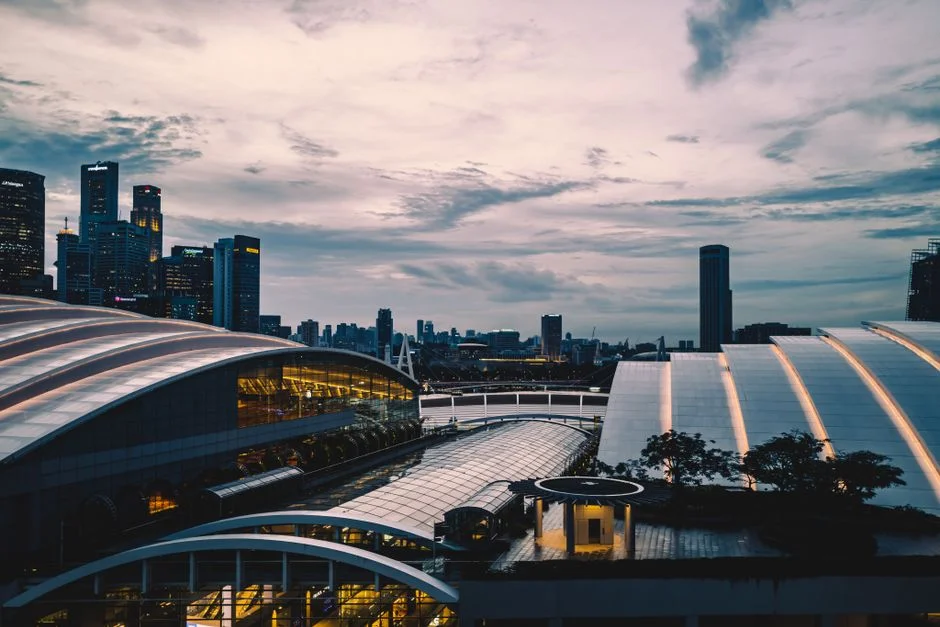
The US Marine Corps has begun training South Africa’s Metro Police in Muizenberg, a coastal suburb of Cape Town, as part of a broader security cooperation agreement. The initiative, announced in late July, involves 20 Marine instructors working alongside 150 Metro Police cadets on the beachfront, focusing on counter-terrorism, crowd control, and emergency response. The training, which will last six weeks, marks a significant shift in regional security dynamics and raises questions about the long-term implications for local and international markets.
Training Details and Immediate Reactions
The collaboration between the US Marine Corps and the Metro Police was formalised through a memorandum of understanding signed by the South African Department of Police and the US embassy in Pretoria. The programme, which started on 27 July, includes both theoretical and practical sessions, with the first phase focused on tactical operations. Local media reported that the training has drawn attention from business leaders in Cape Town, who are concerned about the potential impact on tourism and security services.

“This is a positive step towards enhancing local law enforcement capabilities,” said Dr. Thandiwe Mkhize, a security analyst at the University of Cape Town. “However, the presence of foreign military personnel in a civilian training environment could raise concerns about sovereignty and the potential for militarisation of local police forces.”
Market and Business Implications

Investors are closely watching the development, as security improvements in Cape Town could influence foreign direct investment (FDI) in the region. According to the South African Reserve Bank, FDI in the Western Cape province grew by 12% in the first quarter of 2024, driven largely by tech and tourism sectors. The involvement of US Marines may signal increased international confidence in the region’s stability, potentially attracting more capital.
However, some local businesses remain cautious. “While better-trained police can help reduce crime, we’re worried about the long-term effects on public perception,” said Sipho Nkosi, owner of a tourism company in Muizenberg. “Tourists may question the necessity of such a large foreign military presence.”
Political and Economic Context
The training initiative comes amid a broader push by South Africa to strengthen security partnerships with Western nations. In 2023, the government signed a similar agreement with the UK to improve cybercrime investigations. The US Marine Corps’ involvement is seen by some as a strategic move to counter rising crime rates, which have reached 45,000 reported incidents in the Western Cape alone in the first half of 2024.
“This is not just about security—it’s about economic stability,” said Professor Linda van Zyl, an economist at Stellenbosch University. “A safer environment can lead to better business conditions, but it also requires careful management to avoid over-reliance on foreign military support.”
Regional and International Reactions
Neighbouring countries have responded with mixed reactions. Botswana’s Ministry of Home Affairs expressed support for the initiative, while Zimbabwe’s state media questioned the motives behind the US involvement. The African Union has called for transparency in all security agreements involving foreign forces.
“We need to ensure that these partnerships serve the people of South Africa, not just external interests,” said Dr. Kwame Osei, a political analyst in Accra. “The real test will be how this training translates into long-term public safety improvements.”
Investor Perspective and Future Outlook
From an investment standpoint, the partnership could signal a shift in how global powers engage with African security challenges. The US has been increasing its military and diplomatic presence in the region, partly in response to rising instability and the threat of transnational crime. This could lead to more joint initiatives, which may influence investment flows and trade relations.
“This is a sign that South Africa is becoming a more strategic partner for the US,” said James Carter, a financial analyst at Standard Bank. “However, investors will be watching how this plays out in the long term, especially in terms of policy and economic stability.”
What to Watch Next
The next phase of the training is set to begin in mid-August, with a focus on advanced emergency response techniques. The full results of the programme will be evaluated by the end of September, with a report expected from the South African Department of Police. Investors and business leaders will be closely monitoring the impact on local crime rates, tourism, and foreign investment in the coming months.
See Also
- RTP Exposes Controversy Surrounding Casa das Notícias — Investors Advised to Watch Closely
- Namo Bharat Expansion Sparks Infrastructure Boom in West UP