The ongoing tensions in the Middle East, particularly between Iran and regional powers, are triggering economic ripple effects that directly influence Singapore’s markets, business operations, and household budgets. As global oil prices fluctuate amid renewed conflict, Singapore’s import-dependent economy faces pressure, affecting inflation and investment flows. This development underscores the interconnectedness of Middle East geopolitics and Singapore’s economic stability.

Oil Prices and Inflation Pressures

Iran’s strategic position in the Middle East, a key oil producer, means its geopolitical tensions often disrupt global energy markets. Recent clashes have pushed crude oil prices above $85 per barrel, a 7% increase from last month. For Singapore, which imports nearly all its oil, this surge translates to higher energy costs for industries and households. The Monetary Authority of Singapore (MAS) has noted that energy price hikes could lift inflation to 5.2% in 2024, up from 4.1% in 2023, adding to cost-of-living pressures.

Iran Conflict Sparks Market Volatility, Impacting Singaporeans' Bills — Politics Governance
Politics & Governance · Iran Conflict Sparks Market Volatility, Impacting Singaporeans' Bills

Businesses reliant on imported goods, such as manufacturers and retailers, are adjusting pricing strategies to offset rising input costs. For example, local utilities have announced a 4% tariff increase for electricity, while supermarkets have raised prices on essential items like cooking oil and dairy. These adjustments highlight how Middle East instability directly impacts Singapore’s economic landscape.

Investor Sentiment and Market Reactions

Global investors are closely monitoring Iran’s actions, as Middle East conflicts often drive market volatility. Singapore’s stock market, particularly the Straits Times Index (STI), has shown sensitivity to these dynamics. In the past month, the STI fell 2.3% as risk-off sentiment grew, with energy and commodity-related sectors bearing the brunt. Analysts at DBS Bank note that Singapore’s equity funds have seen a 15% shift toward defensive stocks, reflecting concerns over prolonged regional tensions.

Foreign direct investment (FDI) into Singapore’s energy and logistics sectors has also slowed, with some projects delayed due to supply chain uncertainties. However, the government has emphasized its commitment to diversifying trade routes, including partnerships with ASEAN and European nations, to mitigate Middle East-related risks. This strategy aims to stabilize economic growth amid global headwinds.

Business Implications and Supply Chain Shifts

For Singapore’s export-driven businesses, the Middle East’s economic outlook is critical. The region accounts for 12% of Singapore’s total trade, with key exports including petrochemicals and electronics. Disruptions in shipping routes through the Red Sea, a vital artery for global trade, have increased transit times by up to 10 days, affecting just-in-time manufacturing processes. Companies like Singapore Airlines and shipping giant Neptune Orient Lines have reported operational delays, impacting revenue forecasts.

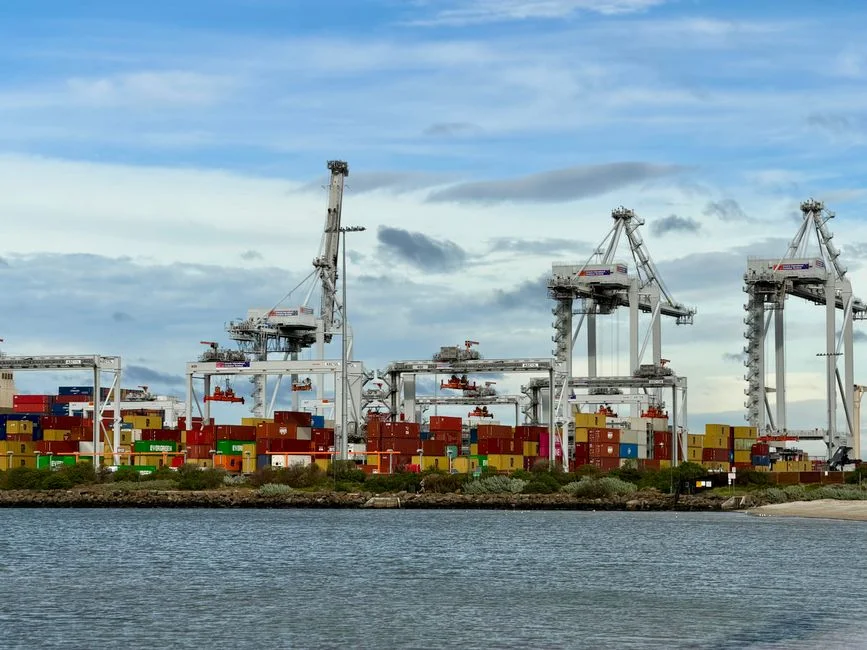
To adapt, businesses are diversifying suppliers and exploring alternative shipping lanes. The Port of Singapore has also expanded its capacity to handle increased cargo, aiming to reduce bottlenecks. These measures highlight the resilience of Singapore’s commercial sector, which remains a key driver of the city-state’s economic stability despite regional uncertainties.

Long-Term Economic Outlook

Economists predict that the Middle East’s geopolitical dynamics will continue to shape Singapore’s economic trajectory. The International Monetary Fund (IMF) has revised its 2024 growth forecast for Singapore to 3.8%, citing global energy price fluctuations as a key risk. However, the nation’s strong fiscal position and strategic trade partnerships offer a buffer against prolonged volatility.

Investors are advised to monitor Middle East developments closely, as they could influence interest rates and currency valuations. The Singapore dollar (SGD) has shown relative strength against the US dollar this year, but a sustained rise in oil prices could pressure inflation further. For Singaporeans, these factors underscore the importance of staying informed about global economic shifts that directly impact their financial decisions.

See Also

Editorial Opinion

These measures highlight the resilience of Singapore’s commercial sector, which remains a key driver of the city-state’s economic stability despite regional uncertainties. For Singaporeans, these factors underscore the importance of staying informed about global economic shifts that directly impact their financial decisions.

— singaporeinformer.com Editorial Team
FAQ
What is the latest news about iran conflict sparks market volatility impacting singaporeans bills?
The ongoing tensions in the Middle East, particularly between Iran and regional powers, are triggering economic ripple effects that directly influence Singapore’s markets, business operations, and household budgets.
Why does this matter for politics-governance?
This development underscores the interconnectedness of Middle East geopolitics and Singapore’s economic stability.
What are the key facts about iran conflict sparks market volatility impacting singaporeans bills?
Recent clashes have pushed crude oil prices above $85 per barrel, a 7% increase from last month.
Priya Ramasamy
Author
Priya Ramasamy is a political journalist covering Singapore's domestic governance, regional diplomacy, and ASEAN affairs. She reports on parliamentary proceedings, government policy announcements, and Singapore's role in multilateral institutions and regional organisations.

Based in Singapore, Priya has covered multiple general elections, reported on major policy debates, and tracked Singapore's bilateral relationships with Malaysia, Indonesia, China, and the United States. She holds a degree in political science from the National University of Singapore.