The United States launched a series of airstrikes targeting military installations on Kharg Island, a strategic location off Iran’s southern coast, in a move that has sent shockwaves through global markets and highlighted the ongoing tensions between the two nations.
A Strategic Blow to Iran's Economy
The bombing of Kharg Island, known as Iran’s 'orphan pearl', comes at a crucial time for the country's economy. Kharg is home to one of the largest oil export terminals in the world, playing a vital role in Iran's energy sector and its ability to export oil and earn foreign currency. The strikes, which targeted military facilities but did not cause significant damage to the oil infrastructure, still managed to disrupt operations and send prices for crude oil soaring on international markets.
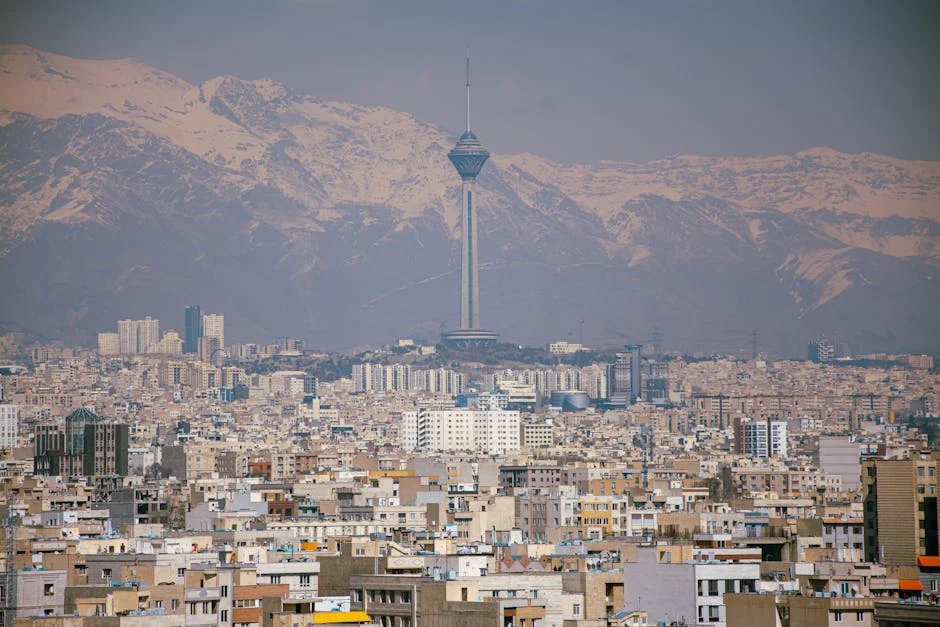
Analysts have noted that the timing of the attack is particularly noteworthy, given that Iran has been struggling to boost its oil exports since the reimposition of sanctions by the US following the withdrawal from the 2015 nuclear deal. This disruption could further strain Iran’s financial situation, potentially delaying recovery efforts and affecting its trade relationships globally.
Market Reactions and Investor Sentiment

The news of the bombings has led to increased volatility in the stock markets across the globe, with particular attention paid to the energy and commodities sectors. Investors have shown a heightened level of caution, reflecting uncertainty about the potential for further military actions and their impact on global supply chains and trade flows.
In Singapore, where the financial services industry plays a significant role in the local economy, the news has prompted a closer examination of the region’s exposure to Middle Eastern markets. Local businesses that rely on steady oil imports from the Gulf region may face challenges if tensions persist, potentially affecting their profitability and growth prospects.
Economic Implications for Global Trade
The attack on Kharg Island underscores the interconnectedness of the global economy and highlights the risks posed by geopolitical tensions. As a major exporter of oil, Iran’s ability to maintain stable production and exports is crucial for many countries, including those in Asia, which depend on the reliable flow of oil from the Middle East.
The disruption caused by the recent bombings serves as a reminder of the delicate balance in global trade networks and the potential for sudden shifts in supply and demand. For businesses operating in the energy sector, this event signals the need for flexibility and robust risk management strategies to navigate potential future disruptions.
Investment Perspective and Future Outlook
From an investment standpoint, the bombing of Kharg Island presents both opportunities and challenges. On one hand, it could create short-term gains for companies involved in the energy and commodities sectors, as prices fluctuate in response to supply concerns. On the other hand, persistent geopolitical instability may lead to longer-term uncertainty, affecting the attractiveness of certain investments and influencing portfolio allocations.
As investors continue to monitor the situation closely, they will look for signs of how Iran and its trading partners respond to the recent events. Any changes in policy or new agreements could have a ripple effect on global markets and shape the economic landscape for years to come.