The Indian rupee has hit a fresh record low against the US dollar, sliding to 92.48, marking significant pressure on the currency and stirring concerns among investors and businesses.
Rupee Plummets to Fresh Record Low
The rupee's decline to 92.48 against the dollar marks its weakest level since the currency’s inception, reflecting a broader trend of depreciation that began earlier this year. This latest drop comes amid rising inflation, higher interest rates globally, and a weakening economic outlook for India.
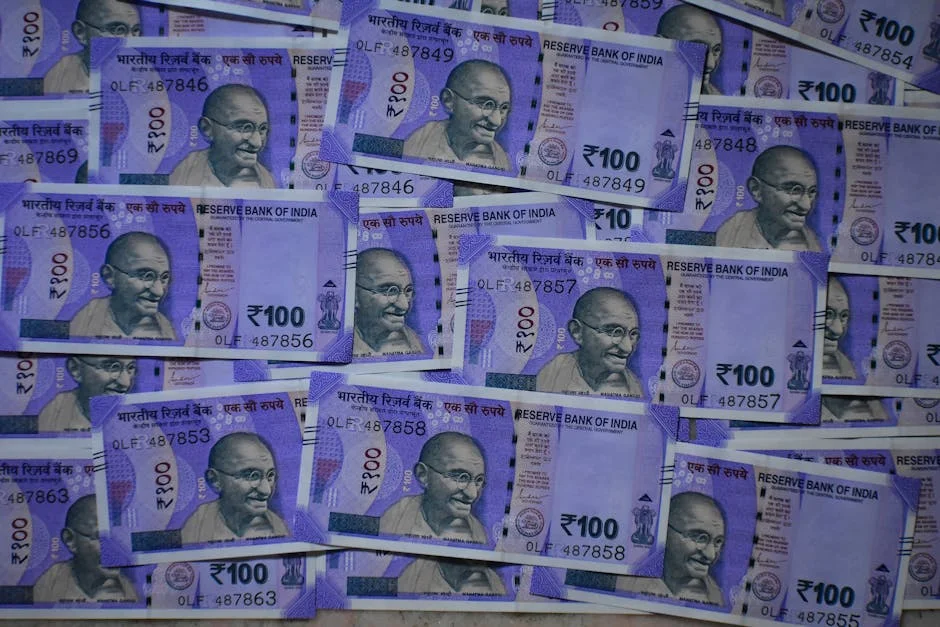
According to the Reserve Bank of India, the rupee has been under pressure due to external factors such as rising crude oil prices and a strong US dollar, which have led to capital outflows from emerging markets like India.
Implications for Singapore Investors


The rupee's fall has immediate implications for Singapore-based companies with operations or investments in India. Companies like DBS Group Holdings Ltd. and Singapore Technologies Engineering Ltd., which have substantial interests in the Indian market, may face challenges due to the weaker rupee.
Moreover, the depreciation of the rupee affects the value of assets held by Singaporean investors in India, potentially impacting returns on investment. For instance, an investor holding Indian stocks or bonds would see the value of those assets decrease when converted back into Singapore dollars.
Economic Impact on India
The rupee's slide is a symptom of broader economic issues facing India. Higher import costs due to a weaker currency could increase inflationary pressures, already at multi-year highs. This, in turn, may prompt the Reserve Bank of India to raise interest rates further, which could dampen growth prospects.
Additionally, the weakening rupee makes exports more competitive, which could provide some relief to Indian manufacturers. However, the benefits of cheaper exports might be offset by the negative impact on consumer purchasing power and overall economic activity.
Market Reactions and Investor Sentiment
The rupee's decline has stirred mixed reactions in financial markets. While some see the weaker currency as a short-term blip, others are concerned about its potential to trigger a broader economic slowdown. Analysts at Credit Suisse noted that the rupee's weakness could weigh on corporate earnings in the near term, especially for companies heavily reliant on imported goods.
In Singapore, the sentiment towards Indian assets has become more cautious. Investors are closely watching how the Reserve Bank of India responds to the currency's depreciation and whether it will take measures to support the rupee. The central bank’s actions will be crucial in determining the direction of the rupee and, by extension, the performance of Singapore-linked investments in India.
Looking Ahead: What to Watch Next
The upcoming monetary policy decisions from the Reserve Bank of India and the Federal Reserve will be key in shaping the rupee's trajectory. Additionally, any changes in global trade policies or geopolitical events could also influence the currency's strength.
Singapore investors should keep an eye on the rupee’s movements, as they can significantly impact the performance of their portfolios and the profitability of local companies operating in India. With the rupee at a new low, there is an opportunity for Singapore businesses to explore strategic moves in the Indian market, such as acquisitions or partnerships, to leverage the favourable exchange rate.
Frequently Asked Questions
What is the latest news about rupee slams new low at 9248 against dollar what it means for singapore investors?
The Indian rupee has hit a fresh record low against the US dollar, sliding to 92.48, marking significant pressure on the currency and stirring concerns among investors and businesses.
Why does this matter for economy-business?
This latest drop comes amid rising inflation, higher interest rates globally, and a weakening economic outlook for India.
What are the key facts about rupee slams new low at 9248 against dollar what it means for singapore investors?
Implications for Singapore Investors The rupee's fall has immediate implications for Singapore-based companies with operations or investments in India.