Pop Culture has recently painted a darker picture of Silicon Valley, revealing a landscape of cutthroat competition, soaring real estate prices, and strained community relations. This shift in perception could have significant implications for the tech hub's reputation and its ability to attract top talent and investment.
The Darkening Perception of Silicon Valley
The recent portrayal of Silicon Valley in popular culture has shifted from a place of innovation and success to one of struggle and conflict. Films, TV shows, and books now often depict the region as a place where startups battle fiercely for dominance, and where the cost of living can be prohibitively high for many residents.
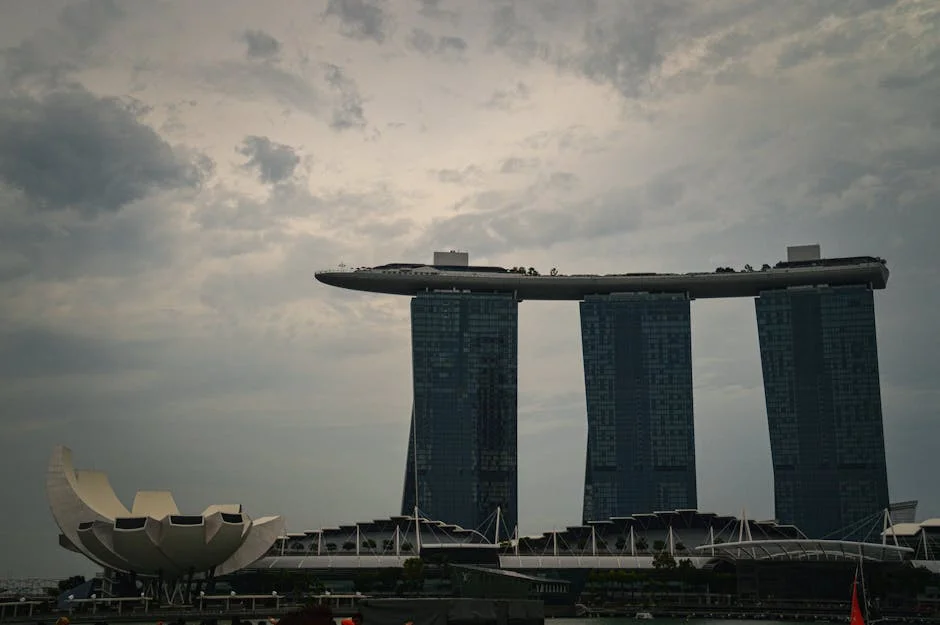
This change in narrative comes at a time when Silicon Valley is facing numerous challenges, including a slowdown in venture capital funding and increasing competition from other tech hubs around the world. The darkened image could make it harder for the region to maintain its status as the global leader in technology and innovation.
Investor Reactions and Market Consequences


The altered view of Silicon Valley in pop culture may influence how investors perceive the region and its companies. As the area becomes associated more with hardship and less with triumph, investors might become more cautious about pouring money into startups and established firms alike.
Moreover, the shift could affect stock market performance, particularly for companies that are closely tied to the Silicon Valley brand. A drop in investor confidence could lead to lower valuations and reduced liquidity for tech stocks, impacting both local and international markets.
Business Implications and Talent Attraction
The darkened image of Silicon Valley could also impact the region's ability to attract and retain top talent. Aspiring entrepreneurs and tech workers might look elsewhere for opportunities, seeking cities with better quality of life or more favourable working conditions.
Furthermore, the change in perception could influence the types of businesses that choose to locate in the area. Companies looking for a vibrant and supportive ecosystem might be deterred by the current narrative, while those focused on research and development could still find the region appealing due to its concentration of skilled workers and infrastructure.
Economic Data and Trends
Economic indicators show that despite the challenges, Silicon Valley remains a powerhouse of innovation and growth. However, there are signs that the region's traditional dominance is being challenged. According to a report by CBRE, San Francisco saw a decrease in office occupancy rates last year, reflecting a broader trend of companies expanding beyond the Bay Area.
In addition, the cost of living in Silicon Valley continues to rise, putting pressure on both residents and businesses. This trend could persist if the darkened image of the region persists, potentially leading to a brain drain and a shift in the region's economic focus.
Looking Ahead: What to Watch Next
As Silicon Valley navigates this new phase of its identity, there are several key factors to watch. Firstly, how will the region respond to the challenges posed by its changing image? Will there be efforts to improve quality of life and attract new talent?
Secondly, how will the global tech landscape evolve, and what role will Silicon Valley play in shaping the future of technology and innovation? The answers to these questions could determine whether Silicon Valley retains its position as the world's premier tech hub, or if other regions will take the lead.