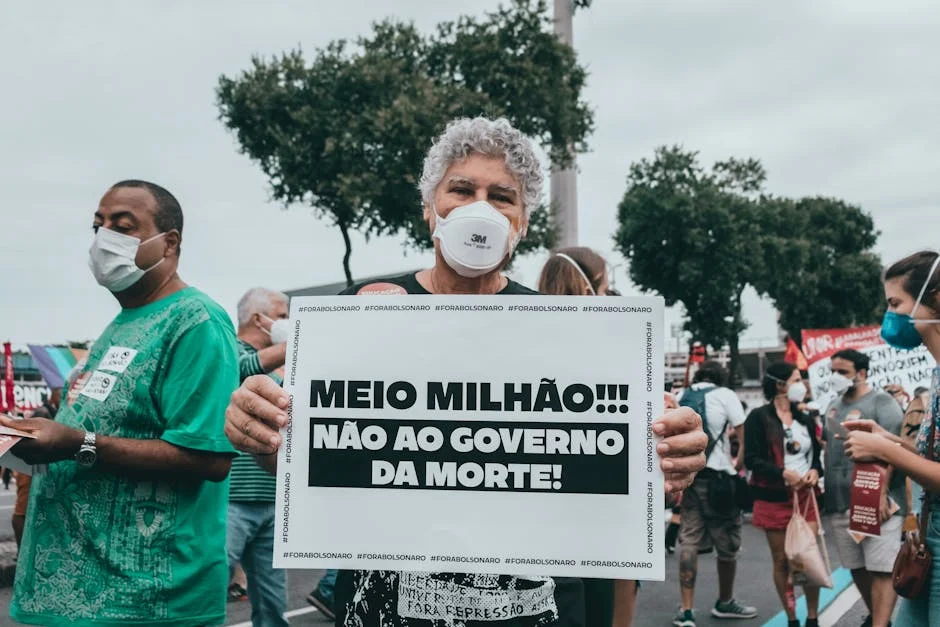
Mozambican intern doctors at Hospital Central in Beira have been on strike for over a month, demanding payment of a 10-month salary arrears. The protest, which has drawn attention across the country, highlights a growing crisis in the public healthcare system, with staff struggling to meet basic needs while providing essential services. The Ministry of Health has acknowledged the issue but has not yet provided a clear resolution, raising concerns about the long-term stability of the sector.
Strikes Disrupt Healthcare Services
The strike at Hospital Central, one of the largest public hospitals in Beira, has led to significant disruptions in patient care. Nurses and junior doctors have been forced to manage increased workloads, with some departments operating with reduced staffing. The situation has worsened as the hospital struggles to attract new medical professionals, who are hesitant to join a system that appears unstable.

“We are working in extremely difficult conditions,” said Dr. Maria Lopes, a senior nurse at the hospital. “We are not just asking for money—we are asking for respect and the ability to do our jobs properly.” Her comments reflect a broader frustration among healthcare workers who have seen their wages stagnate for years, despite rising living costs.
The strike has also put pressure on the national government to address systemic underfunding in public healthcare. With the Ministry of Health facing a budget shortfall, the situation has sparked a debate over how to balance fiscal responsibility with the need to retain skilled staff in critical sectors.
Economic and Market Implications


The healthcare crisis in Mozambique has broader economic implications, particularly for businesses and investors operating in the region. A weakened public healthcare system can deter foreign investment, as companies often look for stable and supportive environments for their operations. The situation in Beira, a key economic hub, is especially concerning, as it could affect trade and business confidence.
Investors in the healthcare sector are closely watching the developments. “If the government fails to resolve this issue, it could lead to a brain drain of medical professionals, further straining the system,” said João Ferreira, an economist at the University of Maputo. “This would have a ripple effect on the economy, especially in regions like Beira, which rely heavily on healthcare and tourism.”
The strike has also raised concerns about the stability of Mozambique’s public sector wages. With the government struggling to meet its financial obligations, there are fears that similar protests could spread to other sectors, including education and infrastructure.
Impact on Businesses and the Economy
Local businesses in Beira are feeling the effects of the healthcare crisis. With medical staff on strike, hospitals are unable to handle the full range of services, leading to increased reliance on private clinics. This has placed additional pressure on small businesses that depend on the hospital for referrals and foot traffic.
“We’ve seen a drop in customers since the strike began,” said Ana Costa, owner of a small pharmacy near Hospital Central. “People are avoiding the area, and it’s affecting our sales.” Her experience is not unique—many businesses in Beira are reporting a decline in activity, raising concerns about the economic fallout from the healthcare crisis.
The government has announced plans to address the wage issue, but the timeline remains unclear. Without a clear resolution, the economic impact could continue to grow, affecting both local and international stakeholders.
What to Watch Next
The next few weeks will be critical in determining the outcome of the strike. The Ministry of Health has indicated that a meeting with healthcare workers is scheduled for the end of the month, but no details have been released. Investors and business leaders are closely monitoring the situation, as any further escalation could have long-term consequences for the region’s economy.
Additionally, the government is expected to release its annual budget in the coming weeks, which may include measures to address the healthcare funding shortfall. The outcome of these discussions will be a key indicator of whether the government is committed to stabilizing the sector and preventing further unrest.
For now, the focus remains on the immediate impact of the strike and how the government will respond. The situation in Beira serves as a stark reminder of the challenges facing Mozambique’s public sector and the broader economic implications of underfunding and delayed payments.