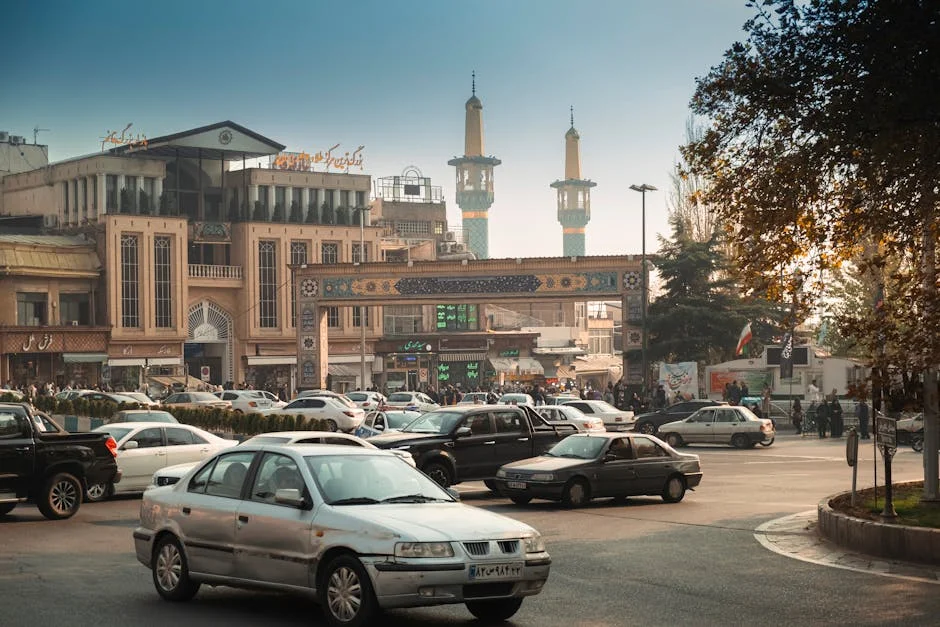
The Middle East’s Eid al-Fitr celebrations this year are overshadowed by escalating conflicts, with regional instability triggering ripple effects on global markets, trade flows, and investor confidence. As nations like Lebanon grapple with economic crises, the festival’s traditional economic boost is muted, raising concerns about broader implications for businesses and financial systems. The war’s shadow has intensified scrutiny on how geopolitical tensions intersect with economic vulnerabilities, particularly for Singaporean investors and trade partners reliant on the region.
Impact on Regional Trade and Supply Chains
Trade disruptions in the Middle East have already begun to strain supply chains, with ports in Lebanon and Jordan reporting reduced cargo volumes due to security concerns. According to the World Bank, regional trade growth fell to 2.1% in 2023, the lowest in a decade, as conflicts in Yemen and the Israel-Hamas war disrupt maritime routes. Businesses reliant on Middle East imports—such as textiles and energy—face higher costs and delayed deliveries, squeezing profit margins. For Singapore, which maintains significant trade ties with the region, these delays risk compounding inflationary pressures already fueled by global commodity price swings.
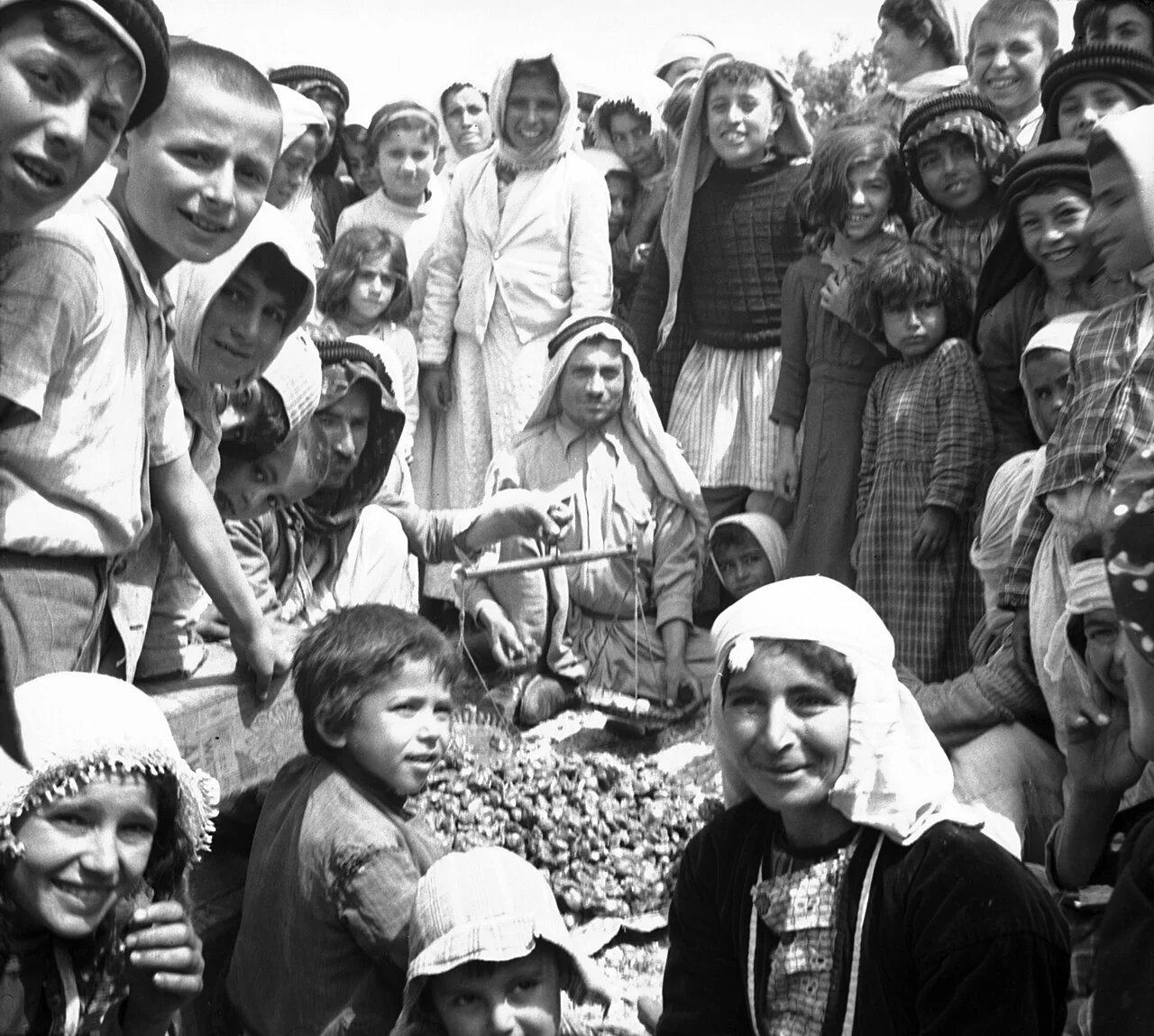
Lebanon’s ongoing economic collapse, exacerbated by war-related sanctions and currency devaluation, has further dampened consumer spending. The Lebanese lira has lost 90% of its value since 2019, leaving many families unable to afford traditional Eid markets. “This year’s celebrations are more about survival than festivity,” said a Beirut-based trader. Such conditions reduce demand for imported goods, directly impacting Southeast Asian exporters who depend on Middle East markets for textiles, electronics, and food products.
Investor Sentiment and Market Volatility

Regional stock markets have shown heightened volatility amid the unrest. The Dubai Financial Market (DFM) index dropped 4.2% in April as investors fled riskier assets, while Saudi Arabia’s Tadawul Index fell 2.8% amid fears of spillover effects. These declines reflect broader concerns about the region’s stability, with analysts warning that prolonged conflicts could trigger a flight of foreign direct investment (FDI). Singaporean fund managers, who allocate significant capital to Middle East real estate and energy sectors, are now hedging bets by diversifying portfolios into safer assets like Japanese government bonds.
The International Monetary Fund (IMF) has warned that Middle East economies could lose up to 3% of GDP in 2024 if conflicts persist, further destabilizing regional currencies. This uncertainty has led to a 15% increase in volatility indices for Middle East-focused ETFs, according to Bloomberg. For Singaporean investors, the risk is twofold: direct exposure to regional markets and indirect impacts via global commodity prices, particularly oil, which remains a critical export for Gulf states.
Business Adjustments in Lebanon and Beyond
Lebanese businesses are adapting to the dual crises of war and economic collapse by shifting operations offshore. Major retailers, including the Beirut-based chain Al Rajhi, have moved warehouses to Dubai and Cyprus to avoid confiscation by local authorities. These relocations, while necessary, increase operational costs and reduce local employment, further straining the economy. Small businesses, which account for 70% of Lebanon’s workforce, are struggling to stay afloat, with 40% reporting a 50% drop in revenue since 2022, per a Central Bank survey.
Regional airlines are also feeling the pressure. Middle East Airlines (MEA) has cut 20% of its flights to and from Lebanon, citing safety risks and reduced passenger demand. This decline impacts logistics companies that rely on air cargo for time-sensitive goods, adding to the region’s trade bottlenecks. For Singaporean firms, the challenge lies in navigating these disruptions while maintaining service levels, with some companies exploring alternative routes through Turkey and the Black Sea.
Geopolitical Tensions and Global Markets
The Middle East’s instability is amplifying global market jitters, particularly for energy-dependent economies. Oil prices surged to $88 per barrel in May as fears of supply shocks resurfaced, impacting inflation rates in Singapore and other ASEAN nations. The International Energy Agency (IEA) has urged OPEC+ to increase production to stabilize prices, but geopolitical tensions are complicating coordination. This volatility threatens to derail recovery efforts in emerging markets, where energy costs already account for 30% of import bills.
For Singapore, the stakes are high. The city-state’s financial sector, which manages over $1.2 trillion in assets linked to Middle East investments, is closely monitoring developments. “The region’s instability is a wildcard that could derail global growth,” said a senior analyst at DBS Bank. Investors are now prioritizing resilience, favoring sectors like technology and healthcare over traditional energy and real estate. As the Eid celebrations unfold, the focus remains on how quickly markets can adapt to a region increasingly defined by uncertainty.