Iran has intensified its military operations against US-aligned Gulf states, triggering sharp market reactions and raising concerns about regional stability. The attacks, which targeted oil infrastructure in Saudi Arabia and the UAE, occurred just days after President Joe Biden reiterated US commitments to defend allies. Former President Donald Trump, who had previously downplayed the threat from Iran, expressed surprise at the scale of the escalation, warning of potential economic fallout. The developments have sent ripples through global markets, with oil prices surging and investors reassessing risks in the Middle East.
Market Volatility in the Gulf
The attacks triggered immediate volatility in Gulf financial markets. The Dubai Financial Market index fell 2.3% on Monday, while Saudi Arabia’s Tadawul dropped 1.8% as investors fled riskier assets. Oil prices spiked to $112 per barrel, their highest level since 2022, reflecting fears of supply disruptions. Analysts at JPMorgan noted that the Gulf’s reliance on energy exports makes it particularly vulnerable to geopolitical shocks, with even temporary disruptions causing widespread economic ripple effects.
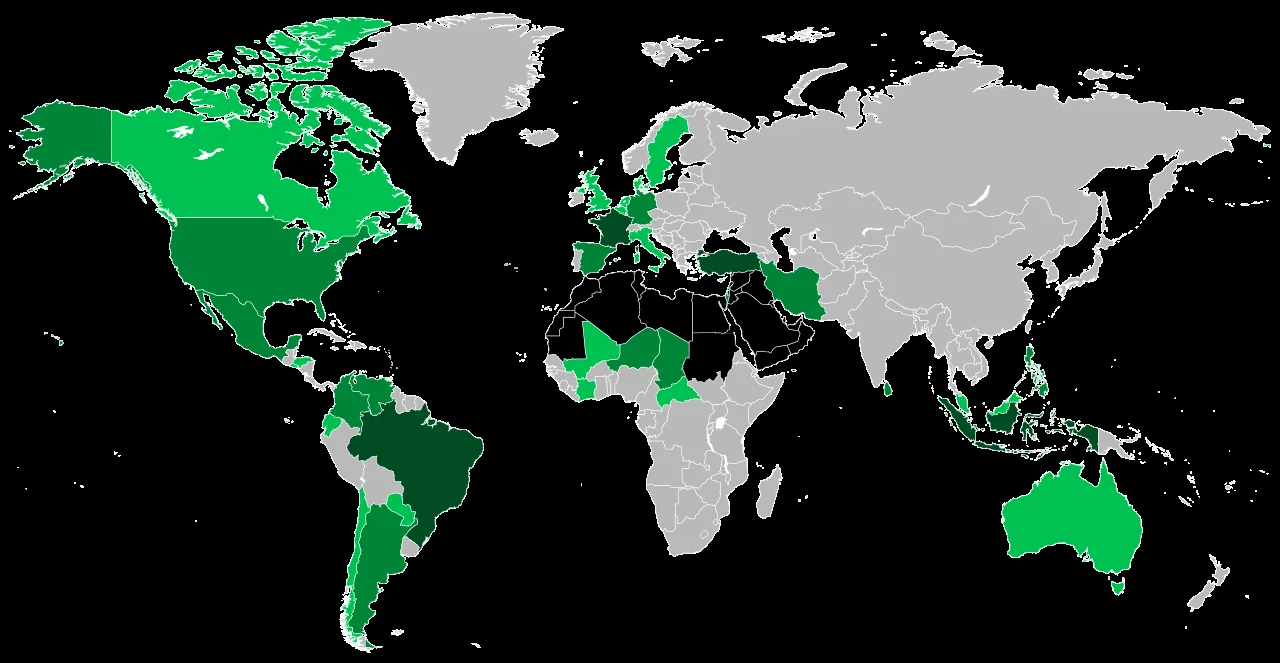
The regional stock markets’ sensitivity underscores the interconnectedness of the Gulf economy. Countries like the UAE and Qatar, which depend heavily on foreign investment and trade, face heightened uncertainty. A report by the International Monetary Fund (IMF) earlier this year highlighted that a 10% rise in oil prices could boost Gulf states’ GDP by 1.5-2%, but only if stability is maintained. The current crisis, however, threatens to reverse these gains.
Investor Reactions and Risk Assessment


Global investors are recalibrating their portfolios in response to the escalating tensions. The S&P 500 energy sector fell 1.5% as fears of a broader conflict spread, while the US dollar strengthened amid safe-haven demand. Hedge funds have started hedging against potential oil price spikes, with Brent crude futures trading at a premium. “This is a wake-up call for investors,” said Sarah Lin, a strategist at Goldman Sachs. “The Gulf is not just a regional flashpoint—it’s a global economic linchpin.”
Businesses with operations in the Gulf are also assessing their exposure. Multinational corporations, particularly in the energy and logistics sectors, are reviewing supply chains. A spokesperson for Maersk, the world’s largest shipping company, said: “We are closely monitoring the situation and preparing contingency plans to ensure uninterrupted trade.” Such measures could lead to short-term cost increases, which may be passed on to consumers worldwide.
Geopolitical Context and Regional Implications
The latest attacks follow years of simmering tensions between Iran and Gulf states, exacerbated by the 2018 US withdrawal from the Iran nuclear deal. Saudi Arabia and the UAE, both US allies, have increasingly sought to diversify their security partnerships, including closer ties with Israel. However, the recent strikes highlight the fragility of these alliances. The UAE’s decision to normalize relations with Israel in 2020 had already drawn criticism from Iran, which views the move as a threat to its regional influence.
The situation also complicates US foreign policy. Trump, who once criticized the Obama administration’s handling of Iran, has criticized Biden’s approach as “weak.” His comments have reignited debates about the effectiveness of US deterrence in the region. Analysts suggest that the attacks could pressure Biden to adopt a tougher stance, potentially leading to increased military presence or sanctions—a move that could further destabilize markets.
Economic Consequences for Singapore and the Region
While Singapore is not directly involved in the conflict, its economy is deeply tied to Gulf trade and energy flows. The city-state’s port, a key hub for Middle Eastern shipping, could face delays if tensions escalate. Additionally, Singaporean investors with exposure to Gulf assets may see portfolio losses. The Monetary Authority of Singapore (MAS) has urged caution, stating that “geopolitical risks could dampen regional growth and impact financial stability.”
The broader ASEAN region also faces indirect risks. A slowdown in Gulf economies could reduce demand for Southeast Asian exports, particularly in manufacturing and agriculture. Furthermore, rising oil prices could fuel inflation, complicating monetary policy for central banks across the region. As the situation unfolds, Singapore’s policymakers will need to balance diplomatic engagement with economic resilience.
What’s Next for Markets and Investors?
The immediate focus is on diplomatic efforts to de-escalate the crisis. The UN Security Council is expected to convene an emergency session, but past experiences suggest consensus may be hard to achieve. Meanwhile, markets will remain sensitive to any signs of further violence or geopolitical shifts. Analysts predict continued volatility in energy and stock markets, with the Gulf’s economic outlook hinging on the speed and effectiveness of conflict resolution.
For investors, the crisis underscores the importance of diversification and risk management. Sectors reliant on global trade, such as shipping and energy, are likely to remain under pressure. However, some experts argue that the long-term impact may be limited if stability is restored swiftly. As one fund manager noted: “This is a test of market resilience. The real challenge will be whether the Gulf can maintain its economic momentum amid ongoing tensions.”