Singaporean shipping mogul Chao Teng Hock faces serious allegations from the United States over price-fixing in the global shipping industry. The US Department of Justice (DOJ) announced on Tuesday that Chao, along with several other executives from major shipping companies, engaged in a scheme that inflated shipping rates by as much as 20% over a two-year period, from 2020 to 2022. The accusations have sent shockwaves through Singapore's shipping sector, raising questions about potential repercussions for the economy.
Details of the Accusations
The DOJ's indictment alleges that Chao's actions, along with those of others, violated US antitrust laws. The executives reportedly communicated through encrypted messaging apps to coordinate shipping rates for container vessels, resulting in increased costs for consumers and businesses alike. The scheme reportedly affected shipments from major cities, including Los Angeles and Seattle, where shipping costs surged significantly during the pandemic.
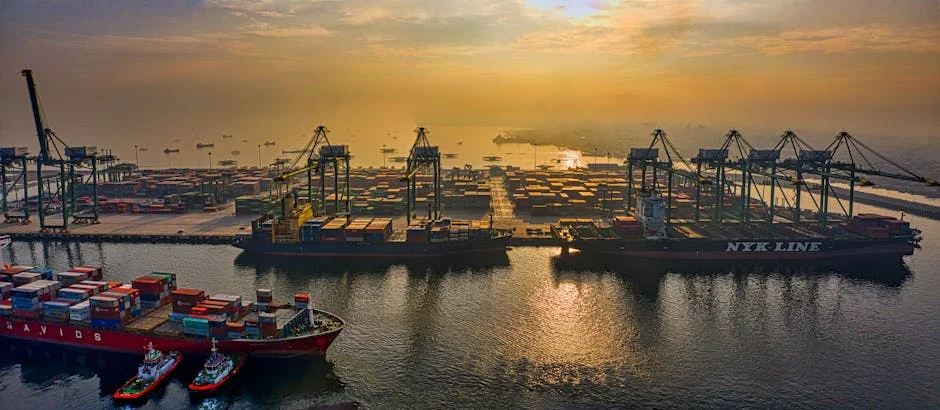
According to the DOJ, the rise in shipping rates during this time was not merely a reflection of market conditions but rather a result of collusive behaviour among key players in the industry. The agency has stated it will pursue not only financial penalties but potential prison sentences for the involved parties. Chao’s involvement exemplifies the broader issues of price manipulation that have plagued the shipping industry amidst heightened global demand.
Market Reactions to the Charges


Following the announcement, shares of major shipping companies listed in Singapore took a hit, with losses averaging about 3% on the Singapore Exchange. Analysts have expressed concern that this case could set a precedent for increased regulatory scrutiny across the shipping sector, particularly as global trade begins to rebound post-pandemic.
Investors are particularly wary of the implications of these charges, as regulatory actions could lead to hefty fines and changes in operational practices for shipping firms. The potential for litigation costs is also a major concern that could strain profit margins. As a result, many analysts are advising caution when investing in shipping stocks until the allegations are resolved.
Implications for Singapore’s Economy
This case highlights the vulnerability of Singapore's economy, which heavily relies on its status as a global shipping hub. The shipping sector contributes significantly to the nation's GDP, with cargo handling accounting for more than 7% of economic output. If the charges against Chao and his associates lead to stricter regulations or fines, the ripple effects could be felt throughout Singapore's economy.
Moreover, the scrutiny placed on shipping practices may deter foreign investment in the sector, as global companies may rethink their logistics and supply chain strategies. This could lead to a decrease in cargo volumes handled by Singaporean ports, affecting employment and revenue in the long term.
Potential Consequences for Shipping Firms
In response to these allegations, shipping firms may be compelled to reassess their pricing strategies and compliance measures. The potential for enhanced regulatory oversight could mean that companies now face greater barriers to maintaining profit margins in a competitive market.
Furthermore, the investigation might prompt other nations to adopt similar measures, potentially leading to a wave of legal challenges for shipping companies globally. This situation may also encourage whistleblowers within the industry to come forward with information, as the DOJ’s approach indicates a strong commitment to holding firms accountable.
What’s Next?
As the case unfolds, stakeholders in Singapore's shipping industry will closely monitor developments. Chao is expected to appear in a US court in the coming weeks, which could provide more clarity on the government's stance regarding shipping regulations. The outcomes of this case will likely influence international shipping practices and regulatory frameworks.
Investors should keep an eye on market trends and regulatory announcements related to shipping and consider diversifying their portfolios to mitigate potential risks. The situation underscores the need for vigilance as the industry navigates both legal challenges and economic recovery.
See Also
- Govt Holds Rs 7,500 Cr for IT Hardware Under PLI Scheme
- Igor Chernyshov's Return Sparks Sharks-Predators Clash
As a result, many analysts are advising caution when investing in shipping stocks until the allegations are resolved.Implications for Singapore’s EconomyThis case highlights the vulnerability of Singapore's economy, which heavily relies on its status as a global shipping hub. The shipping sector contributes significantly to the nation's GDP, with cargo handling accounting for more than 7% of economic output.