The Weeknd’s return to Singapore for two high-profile concerts in October has sent ripples through the local hospitality and retail sectors, demonstrating the immense economic power of live entertainment in the city-state. Fans are already booking flights and securing accommodation, driving immediate demand for services across the island nation. This event is not merely a cultural moment but a significant economic injection for businesses ranging from five-star hotels to local street vendors.
Hotel Rates Surge Ahead of Concert Dates
The most immediate economic impact is visible in the hospitality sector, where hotel prices have already begun to climb. Major hotels in the Marina Bay and Orchard areas are leveraging the scarcity of rooms to maximize revenue per available room, or RevPAR. This pricing strategy is a standard practice for major international events, but the scale of The Weeknd’s fanbase amplifies the effect.
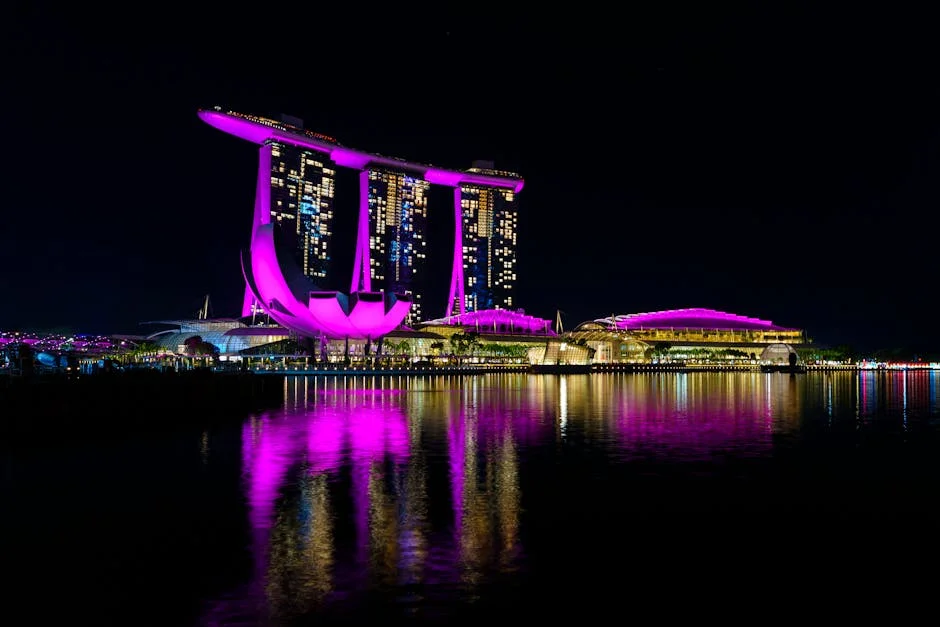
Industry data suggests that room rates in central business districts can increase by up to 30 percent during peak concert weekends. Hotels near the Singapore Indoor Stadium or the recently opened Singapore Indoor Stadium at Kallang are seeing early bird bookings fill up faster than usual. This surge benefits property owners and increases occupancy rates, which often remain volatile in the post-pandemic travel landscape.
Smaller boutique hotels and serviced residences are also raising their nightly tariffs to capture the spillover demand. Travelers who find the major chains too expensive often turn to these alternatives, creating a broad-based uplift in the accommodation sector. The competition for rooms is fierce, forcing last-minute bookers to pay a premium for convenience and location.
Retail and F&B See Immediate Revenue Boost


Restaurants and cafes in the vicinity of the concert venue are experiencing a significant uptick in reservations. Local businesses understand that concert-goers often extend their stays with dining experiences, turning a single ticket purchase into a multi-day spending spree. This phenomenon is known as the "halo effect" in retail economics, where the primary event drives secondary consumption.
Merchandise sales also contribute heavily to the local economy. While a portion of the revenue goes to the artist’s management, local vendors often sell exclusive items or food and beverage packages. The influx of international fans means that foreign currency inflow increases, supporting the Singapore dollar’s relative strength in the short term. This is a tangible benefit for the broader retail ecosystem.
Transport services, including taxis and ride-hailing apps like Grab, report higher utilization rates during concert days. The surge in demand allows drivers to maximize their earnings through surge pricing mechanisms. This micro-economic boost extends to the gig economy, providing immediate income gains for thousands of local workers.
Investor Confidence in Live Entertainment
For investors, The Weeknd’s success in Singapore reinforces the resilience of the live entertainment sector as a key growth driver. Companies involved in event management, ticketing platforms, and venue operations are seeing improved financial outlooks. This trend encourages further investment in infrastructure and technology to enhance the fan experience.
Abrahams Entertainment, the local promoter behind the shows, stands to gain significantly from the ticket sales and sponsorship deals. The company’s performance is closely watched by shareholders who view it as a bellwether for the regional entertainment market. Strong sales figures here can translate into higher earnings per share, boosting investor confidence in the sector.
The success of such high-profile events also attracts foreign direct investment into Singapore’s creative industries. International brands are more likely to sponsor or partner with local entities when they see consistent turnout and engagement. This creates a virtuous cycle where economic success breeds further investment and innovation.
Impact on Local Promoters and Venues
Local promoters are under pressure to replicate this success with other international acts. The benchmark set by The Weeknd raises expectations for future concerts, forcing organizers to innovate in marketing and pricing. This competitive dynamic drives efficiency and quality improvements across the industry.
Venues like the Singapore Indoor Stadium are also benefiting from the renewed interest in live performances. The stadium’s management is likely to see increased revenue from concessions and parking, in addition to rental fees. This financial health allows for better maintenance and upgrades, ensuring the venue remains attractive to top-tier global artists.
Tourism Board Leverages Cultural Events
The Singapore Tourism Board (STB) actively promotes such events to attract "bleisure" travelers who combine business with leisure. These tourists tend to stay longer and spend more than traditional holidaymakers, contributing significantly to the tourism GDP. The STB’s strategy focuses on positioning Singapore as a premier entertainment hub in Asia.
By hosting global superstars, Singapore enhances its brand appeal to younger demographics. This demographic is increasingly influential in travel decisions and has high spending power. The cultural capital gained from these events translates into long-term economic benefits through repeat visits and word-of-mouth marketing.
The integration of cultural events into the broader tourism strategy is a smart move for economic diversification. It reduces reliance on traditional sectors like finance and logistics, making the economy more resilient to global shocks. This strategic alignment ensures that cultural investments yield tangible economic returns.
Inflationary Pressures on Local Consumers
While the economic boost is evident, there are inflationary pressures on local consumers. The surge in demand for hotels and transport can lead to higher prices for non-concert-goers as well. This is a common side effect of major events, where the temporary increase in demand drives up the cost of living for residents.
Local fans may face higher ticket prices due to the strong currency strength of international buyers. This can create a perception of exclusivity, potentially alienating some local supporters. However, promoters often introduce dynamic pricing to balance demand and maximize revenue, which can sometimes lead to sticker shock for early adopters.
Despite these pressures, the overall economic sentiment remains positive. The influx of foreign spending often outweighs the local cost increases, leading to a net gain for the economy. Policymakers monitor these trends to ensure that the benefits are broadly distributed across different income groups.
Future Outlook for Singapore’s Concert Market
The success of The Weeknd’s Singapore shows sets a high bar for future events. Organizers will need to continue delivering high-quality experiences to maintain fan enthusiasm and economic impact. This includes investing in technology, such as augmented reality and seamless ticketing, to enhance the overall experience.
Investors should watch for announcements of new venues and infrastructure projects aimed at accommodating larger crowds. The demand for live entertainment shows no signs of slowing down, suggesting that the sector will remain a key driver of economic growth in Singapore. This trend is likely to continue as global travel patterns normalize and fan engagement deepens.
As Singapore positions itself as a top-tier entertainment destination, the economic implications will extend beyond the concert dates. The long-term benefits include job creation, increased foreign investment, and enhanced global brand recognition. These factors contribute to a robust and diversified economy capable of withstanding future economic fluctuations.
See Also
- India Utilises Stamps to Propel Census Efforts Amid Population Growth Challenges
- Australia Forces Chinese Sale in Rare Earth Firm
What is the latest news about the weeknds singapore shows trigger hotel surge?
Why does this matter for health-medicine?
What are the key facts about the weeknds singapore shows trigger hotel surge?