Nigeria’s leading press unions have issued an urgent ultimatum to President Bola Tinubu’s government and state governors, demanding immediate action to protect journalists and curb widespread insecurity. The Socio-Economic Rights and Accountability Project (SERAP) and the Nigerian Guild of Editors (NGE) argue that impunity for media workers is eroding investor confidence and destabilizing key economic regions. This call to action arrives as global markets closely monitor political stability in Africa’s largest economy, where uncertainty directly impacts foreign direct investment flows.
Press Freedom as an Economic Indicator
Investors increasingly view press freedom not merely as a civil liberty but as a critical gauge of governance quality. When journalists face violence or arbitrary arrest, it signals deeper institutional weaknesses that can disrupt supply chains and deter capital. The current crisis in Nigeria threatens to amplify these risks, particularly for sectors reliant on stable regulatory environments and transparent information flows. Markets react swiftly to such political friction, often pricing in higher risk premiums before official economic data even reflects the downturn.
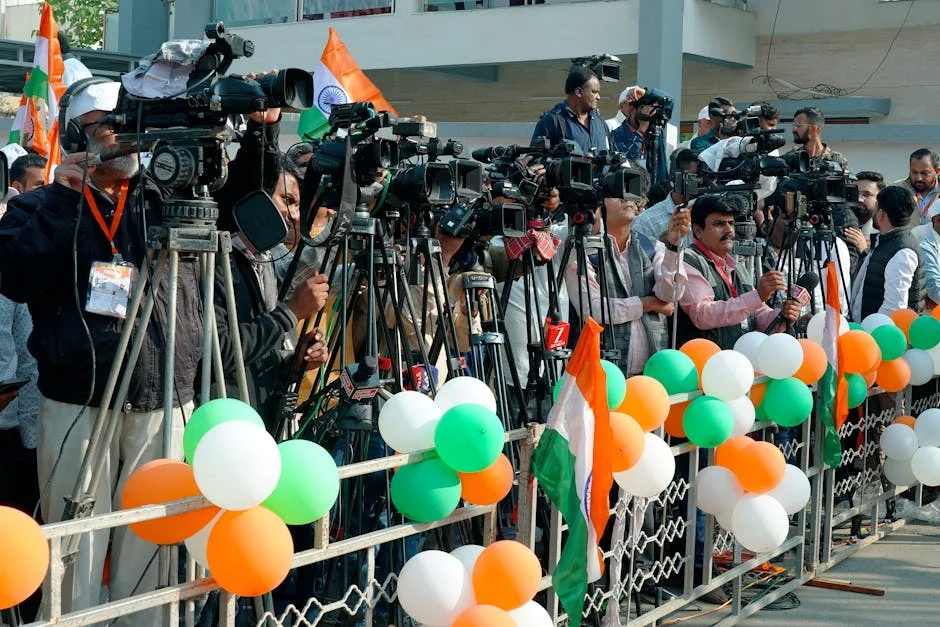
The demands from SERAP and the NGE highlight a growing intersection between media rights and macroeconomic stability. If the Tinubu administration fails to secure the safety of reporters, international rating agencies may downgrade Nigeria’s political risk scores. This would directly affect borrowing costs for Nigerian corporations and the federal government, potentially slowing down infrastructure projects and slowing GDP growth. For Singaporean investors with exposure to West Africa, these developments require immediate portfolio reviews.
Regional Instability Threatens Key Sectors


Benue State has emerged as a focal point of concern, where ongoing insecurity has disrupted agricultural output and local commerce. Journalists covering the conflict in this breadbasket region have faced kidnappings and assassinations, creating an information vacuum that confuses market participants. Agricultural exports, a vital source of foreign exchange for Nigeria, could see volatility if the unrest in Benue spreads to neighboring states. This regional instability directly impacts commodity prices and logistics costs for multinational corporations operating in the Niger Delta and North-Central zones.
Impact on Agricultural and Logistics Markets
The agricultural sector in Benue contributes significantly to Nigeria’s GDP, with crops like yam and soya beans flowing to Lagos and beyond. Disruptions in Benue mean higher transport costs and delayed deliveries, which ripple through the supply chain to manufacturers and retailers. Investors in Nigerian agribusiness must monitor security reports closely, as any escalation in Benue could trigger immediate price hikes for staple foods. This inflationary pressure can erode consumer spending power, a key driver of domestic economic growth.
- Agricultural supply chain disruptions in Benue State
- Rising insurance premiums for logistics firms in the North-Central region
- Potential volatility in commodity export revenues
Investor Sentiment and Capital Flight
Foreign investors are particularly sensitive to the rule of law, and the treatment of journalists serves as a proxy for judicial efficiency and executive accountability. When the Tinubu government allows impunity to persist, it signals that contractual disputes may be settled by power rather than precedent. This perception can trigger capital flight, as multinational corporations move assets to jurisdictions with more predictable legal frameworks. Singaporean firms, known for their strategic investments in emerging markets, are likely to reassess their risk exposure in Nigeria.
The potential for capital flight is not just theoretical; it is reflected in the volatility of the Naira and the fluctuation of stock market indices in Lagos. If political instability worsens, the Central Bank of Nigeria may need to intervene more aggressively to stabilize the currency, which can lead to interest rate hikes. These monetary policy adjustments can slow down business expansion and reduce profitability for listed companies, directly affecting shareholder returns. Investors must watch for any further deterioration in press freedom as a leading indicator of broader economic stress.
Global Implications and Policy Responses
The situation in Nigeria has drawn attention from international bodies, including the United Nations and the African Union, which are urging the Tinubu administration to enact meaningful reforms. These diplomatic pressures can influence trade agreements and development aid packages, which are crucial for Nigeria’s economic recovery. For Singapore, maintaining strong trade ties with Nigeria requires a stable partner; thus, the outcome of this press freedom crisis has direct implications for bilateral economic relations. Policy makers in Singapore should monitor these developments to anticipate potential shifts in Nigerian trade policies.
Moreover, the global narrative around press freedom can influence consumer sentiment and brand reputation for multinational companies operating in Nigeria. Brands associated with the status quo may face boycotts or social media campaigns, affecting sales and market share. This reputational risk is a tangible cost that businesses must factor into their strategic planning. The Tinubu government’s response to the demands from SERAP and the NGE will be closely watched by international stakeholders as a test of its commitment to good governance.
What to Watch Next
Investors and market analysts should monitor the upcoming parliamentary hearings on media security, scheduled for next month in Abuja. These sessions will reveal the extent of political will to address the grievances raised by the NGE and SERAP. Additionally, watch for any changes in Nigeria’s sovereign credit rating, which could signal a shift in international confidence in the country’s economic stability. The reaction of key sectors, particularly agriculture and oil, to the security situation in Benue will also provide early warnings of broader economic impacts. Staying informed on these developments is essential for making timely investment decisions in the Nigerian market.
See Also
- Trump Extends Ceasefire with Iran — Markets Brace for Impact
- Kashmir Police Reveal Plot to Kill Ex-CM Farooq Abdullah - What Does It Mean for the Region?
The reaction of key sectors, particularly agriculture and oil, to the security situation in Benue will also provide early warnings of broader economic impacts. See AlsoTrump Extends Ceasefire with Iran — Markets Brace for ImpactKashmir Police Reveal Plot to Kill Ex-CM Farooq Abdullah - What Does It Mean for the Region?