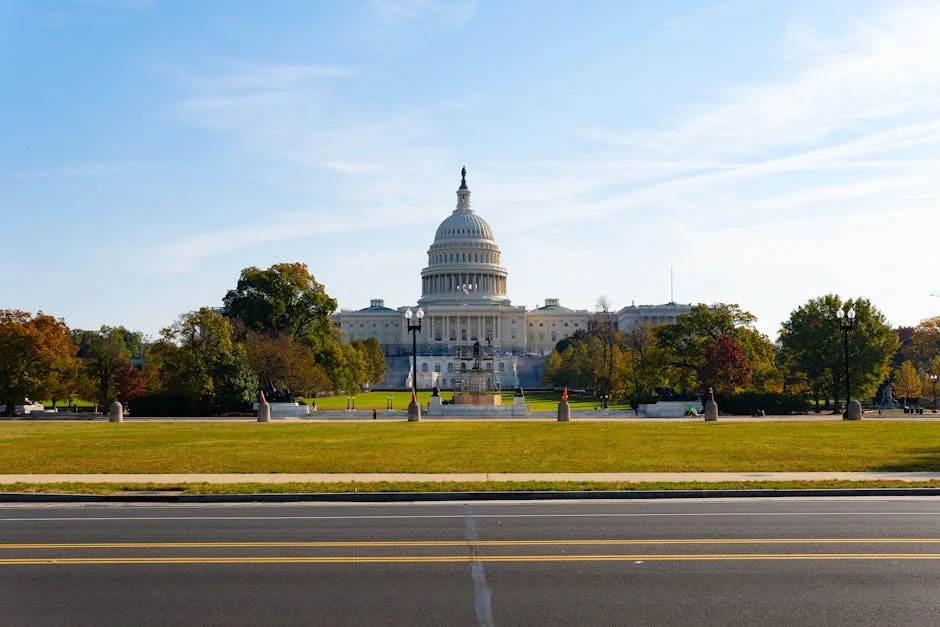
The US Senate Republican Conference has unveiled a $70 billion immigration funding plan aimed at securing federal border agencies, including US Immigration and Customs Enforcement (ICE) and the Customs and Border Protection (CBP), as a direct response to the looming Department of Homeland Security (DHS) shutdown. The proposal, unveiled on Thursday, seeks to bypass Democratic opposition and ensure continued operations of critical border enforcement agencies, which have been under pressure due to funding shortfalls. The plan comes as the Senate faces a potential government shutdown by the end of the month if no agreement is reached on a budget.
Senate GOP's Strategic Move to Secure Border Funding
The $70 billion package is designed to provide immediate funding for ICE and CBP, addressing a critical gap in the current federal budget. The plan includes $30 billion for CBP and $25 billion for ICE, with additional funds allocated for border infrastructure and technology upgrades. Senate Majority Leader Mitch McConnell, a key architect of the proposal, emphasized the need for a “robust and sustainable” border security strategy, stating, “Without this funding, our border remains vulnerable to illegal crossings and national security threats.”

The move reflects a broader political strategy by the GOP to shift the narrative on immigration away from the Democrats, who have pushed for broader reform, including pathways to citizenship. The plan also includes provisions for increased detention capacity and enhanced surveillance along the southern border. However, the proposal has drawn criticism from Democrats, who argue that it prioritizes enforcement over humanitarian concerns and fails to address the root causes of migration.
Market and Economic Implications of the Funding Plan


The Senate GOP’s immigration funding plan has already begun to influence financial markets, with investors closely monitoring the potential impact on federal spending and economic stability. The proposal could affect sectors such as construction, technology, and logistics, which stand to benefit from increased border infrastructure projects. According to a report by the National Bureau of Economic Research, every dollar invested in border security can generate up to $2.50 in economic activity through job creation and local business development.
Investors are also watching for potential shifts in federal spending priorities. The plan may lead to reallocation of funds from other government programs, potentially affecting sectors like healthcare and education. “This is a significant shift in fiscal policy,” said economist Dr. Laura Thompson, a senior fellow at the Brookings Institution. “The market is reacting to the uncertainty of how this will play out in the broader budget framework.”
Business and Industry Reactions
Business leaders across various industries have responded to the Senate GOP's proposal with mixed reactions. Construction firms and technology providers that specialize in border security systems have expressed optimism, anticipating increased contracts and investment. However, agricultural and trade groups have raised concerns about potential disruptions to cross-border commerce. The National Association of Manufacturers, for example, warned that a prolonged government shutdown could lead to supply chain delays and higher costs for businesses reliant on international trade.
The proposal has also sparked discussions among labor unions, with some expressing support for the increased funding for border security, while others fear it may lead to more restrictive immigration policies that could affect workforce availability. “This is a complex issue with far-reaching implications,” said James Rivera, president of the United Steelworkers Union. “We need a balanced approach that protects both workers and national security.”
What’s Next for the Plan and the Economy?
The Senate GOP’s funding plan is expected to face a vote in the coming weeks, with the outcome likely to shape the trajectory of federal spending and immigration policy. If passed, the plan could prevent a government shutdown and provide immediate relief to border agencies. However, it may also intensify political tensions, particularly if Democrats oppose the measure in its current form.
Investors and businesses are advised to monitor the legislative developments closely, as the final version of the plan could include additional provisions or amendments. The next key deadline is the end of the month, when the current DHS funding expires. If no agreement is reached, the government could face a partial shutdown, which could have broader economic consequences, including reduced consumer confidence and market volatility.