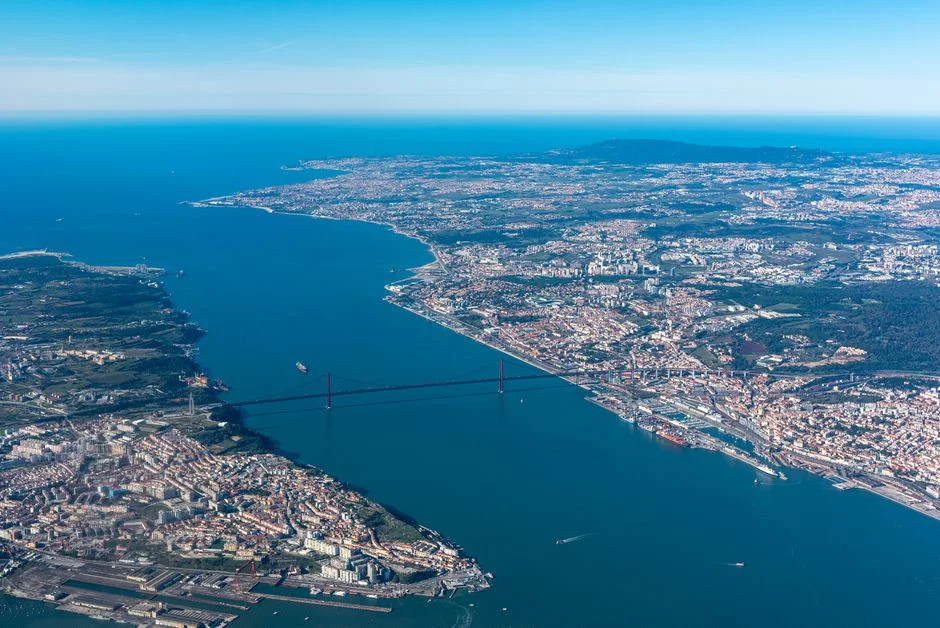
Ventura, the leader of Portugal’s far-right Chega party, has announced the postponement of the party’s congress originally scheduled for May in Lisboa. The decision comes amid internal tensions and external pressures, raising questions about the party’s stability and its potential impact on the political and economic landscape of Portugal.
Ventura’s Decision and Immediate Reactions
Ventura, whose party has gained significant traction in recent elections, cited the need for more time to address internal disagreements and prepare for the upcoming legislative elections. The congress, which was meant to set the party’s agenda for the next term, was moved to a later date in 2024, according to a statement from the Chega leadership.
The move has drawn mixed reactions. Some party members praised the delay as a necessary step to avoid internal fragmentation, while critics accused Ventura of indecision. The postponement has also sparked concerns among investors and analysts about the party’s ability to maintain momentum ahead of the 2024 elections.
Political and Economic Implications


The delay in the Chega congress could influence the party’s positioning on key economic policies, such as immigration reform, tax policy, and public spending. Chega has positioned itself as a strong advocate for tighter border controls and reduced public expenditure, which could resonate with a portion of the electorate but may also raise concerns among business leaders.
Analysts note that the uncertainty surrounding Chega’s direction could affect investor confidence. Portugal’s economy has shown signs of recovery, with GDP growth reaching 2.3% in 2023, but political instability could introduce new risks. The European Union has also been monitoring the rise of far-right parties in member states, and any shift in Chega’s stance could have broader implications.
Impact on Lisboa and Regional Markets
Lisboa, as the capital and economic hub of Portugal, is closely tied to the political climate. The city has seen a surge in foreign investment, particularly in the tech and finance sectors. However, the uncertainty surrounding Chega’s platform may affect business confidence, especially among international investors.
Local businesses in Lisboa have expressed cautious optimism. “We hope the delay allows the party to clarify its policies,” said Ana Ferreira, a business owner in the city’s central district. “Uncertainty is bad for planning and investment.”
What This Means for Investors and the Economy
Investors are closely watching the political developments in Portugal, as the country’s economic performance is closely linked to its political stability. The Portuguese stock market has been relatively resilient, with the PSI-20 index gaining 4.1% year-to-date in 2024. However, any shift in policy direction by Chega could introduce volatility.
For investors, the key is to monitor how Chega’s platform evolves in the coming months. If the party maintains its pro-business stance, it could continue to attract foreign capital. However, if it shifts toward more populist or protectionist policies, it could lead to market instability.
Regional and International Reactions
The delay has also drawn attention from regional and international observers. The European Parliament has expressed concern over the rise of far-right movements, and Portugal’s government has reiterated its commitment to maintaining democratic principles. Meanwhile, the EU has been urging member states to strengthen their institutional resilience against populist trends.
Neighboring countries, including Spain and France, have also been monitoring the situation. The rise of far-right parties in Portugal could influence political dynamics across the EU, particularly in the context of the upcoming European Parliament elections in 2024.
What to Watch Next
The next key event to watch is the rescheduled Chega congress, expected to take place in late 2024. This will provide clarity on the party’s policy direction and its stance on economic and social issues. Additionally, the 2024 Portuguese legislative elections will be a critical test for Chega’s influence and its ability to shape the country’s future.
Investors and businesses should remain attentive to any shifts in the party’s platform. The coming months will be crucial in determining whether Chega can maintain its momentum or face internal challenges that could weaken its impact on the political and economic landscape of Portugal.
See Also
- India Demolishes England at Chelmsford — Cricket Betting Markets Are Already Moving
- NBA Fans in Singapore Stream Magic vs Bulls for Free