The United States has introduced new visa regulations that require applicants to deny any fear of returning to their home country or risk having their visa applications rejected. This directive was announced on October 15th and is already raising concerns among potential travellers and businesses globally, especially in Singapore.
Impact on Singapore's Economic Ties
Singapore, being a significant trading partner and investor in the United States, could experience disruptions. Businesses that rely on the US for market expansion or collaboration may find it challenging to send personnel for critical operations. This is particularly troubling for the technology sector, which frequently sends employees overseas for training and development.
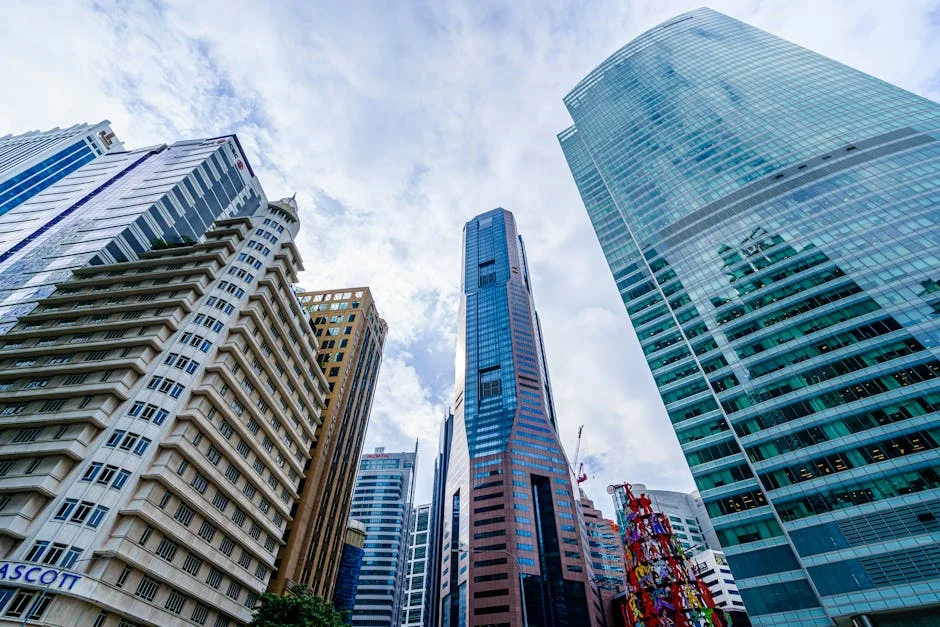
The Monetary Authority of Singapore (MAS) indicates that bilateral trade between the two nations stood at approximately USD 60 billion in 2022. Any barrier to personnel movement could potentially affect this figure, impacting sectors from finance to logistics.
Investor Concerns and Market Reactions
Investors are closely monitoring the situation, as the new visa rules could have a ripple effect on market confidence. The Singapore Exchange (SGX) has shown steady performance, but any prolonged travel restrictions might lead to volatility, especially in stocks related to the US market.
Analysts from DBS Bank have suggested that companies with significant US operations might need to reassess their human resource strategies. This could involve hiring more local talent in the US or investing in virtual collaboration tools to mitigate the impact of reduced travel.
Long-term Business Adaptations
Businesses in Singapore are already considering long-term adaptations. These include increasing remote work capabilities and diversifying markets to reduce reliance on US-centric operations. Building a more resilient supply chain by sourcing from multiple countries is another strategy being explored.
Some companies are also looking at regional alternatives. With the ASEAN market growing, firms might pivot their focus towards intra-regional opportunities to balance the uncertainties posed by the new US visa rules.
What to Watch Next
As the new regulations take effect, businesses and investors should closely monitor US policy updates and bilateral discussions between Singapore and the US. The upcoming ASEAN summit in December could offer insights into regional strategies and collaborations that may help offset any negative impacts.
Stakeholders are advised to remain agile and consider legal counsel on immigration matters to navigate the evolving landscape. Adjustments to corporate travel policies may be necessary as the situation unfolds.
Frequently Asked Questions
What is the latest news about us tightens visa rules singapore businesses face new challenges?
The United States has introduced new visa regulations that require applicants to deny any fear of returning to their home country or risk having their visa applications rejected.
Why does this matter for economy-business?
Businesses that rely on the US for market expansion or collaboration may find it challenging to send personnel for critical operations.
What are the key facts about us tightens visa rules singapore businesses face new challenges?
Any barrier to personnel movement could potentially affect this figure, impacting sectors from finance to logistics.Investor Concerns and Market ReactionsInvestors are closely monitoring the situation, as the new visa rules could have a ripple effect