John Deere's Model A and B tractors played a pivotal role in the US agricultural sector during the Great Depression, helping to stabilize farm incomes and spur economic recovery. The company's innovation in the 1930s provided farmers with reliable machinery, which in turn boosted productivity and kept rural communities afloat during one of the most challenging periods in American history.
John Deere's Role in Agricultural Innovation
The Model A, launched in 1935, and the Model B, introduced in 1938, were among the first tractors designed for small and medium-sized farms. These machines were more affordable and efficient than earlier models, allowing farmers to cultivate larger areas with less manual labor. John Deere's commitment to innovation helped the company gain a significant market share during the 1930s, even as the broader economy struggled.
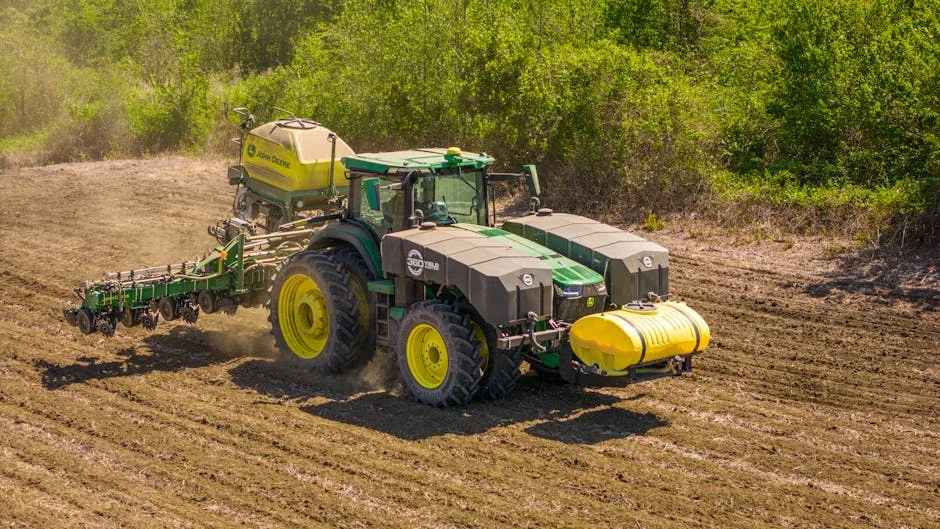
At the time, the US was experiencing a severe agricultural crisis. Crop prices had plummeted, and many farmers were forced to abandon their land. John Deere's tractors offered a lifeline. By 1937, the company had sold over 100,000 units, a remarkable feat given the economic climate. The company's success was not just a commercial achievement but also a key factor in stabilizing the rural economy.
Impact on the Broader Economy


The agricultural sector was a cornerstone of the US economy in the early 20th century. By improving efficiency and reducing costs, John Deere's tractors helped maintain farm output, which in turn supported related industries such as food processing, transportation, and manufacturing. The company’s growth also created jobs, both within its own operations and across the supply chain.
The impact of John Deere's innovations was felt beyond the farm. The company’s expansion contributed to the recovery of small towns and rural areas, which had been hit hard by the Depression. In 1937, the US Department of Agriculture recognized John Deere’s role in the agricultural recovery, citing the company’s contribution to stabilizing farm income and reducing rural poverty.
John Deere’s success during this period also had long-term implications for the company’s brand. It solidified its reputation as a leader in agricultural machinery, a position it still holds today. The company’s ability to adapt and innovate during a crisis set a precedent for future business strategies, influencing how companies approach economic downturns.
Lessons for Modern Businesses and Investors
John Deere’s story offers valuable lessons for modern businesses and investors. It shows how innovation and adaptability can drive growth even in adverse conditions. For investors, the company's resilience during the Great Depression highlights the importance of long-term value and the potential for sustained returns in industries that address fundamental needs.
Today, John Deere continues to be a major player in the global agricultural and construction equipment markets. In 2023, the company reported a revenue of $42.5 billion, demonstrating its enduring relevance. Investors looking for stable, long-term growth may find the company’s history and current performance compelling.
The company’s legacy also has implications for emerging markets. In countries like Singapore, where agricultural technology is becoming increasingly important, John Deere’s innovations provide a model for how technology can drive economic development. The company’s presence in Asia, including its operations in Singapore, underscores the global reach of its impact.
Future Outlook and Market Trends
As the global economy faces new challenges, including supply chain disruptions and climate change, the lessons from John Deere’s past remain relevant. The company is investing heavily in automation and sustainable technologies, which could position it well for future growth. These developments may influence market trends and investor sentiment in the coming years.
For businesses, the key takeaway is the importance of innovation and resilience. In a rapidly changing economic landscape, companies that can adapt and meet evolving needs are more likely to thrive. John Deere’s history demonstrates that even in times of uncertainty, strategic investment and technological advancement can lead to long-term success.
Investors and policymakers should monitor John Deere’s future strategies, particularly its focus on green technologies and digital agriculture. These initiatives may shape the direction of the global agricultural sector and offer new opportunities for growth and investment.
As the world continues to navigate economic shifts, the story of John Deere’s resilience during the Great Depression serves as a reminder of the power of innovation and adaptability. Investors and businesses alike should pay attention to how the company continues to evolve and respond to new challenges in the years ahead.
See Also
- Kerala Chief Minister Denies BJP Sealing of Official Document as 'Clerical Error'
- Afghan Evacuees in Qatar Camp Accuse US of Betrayal
For investors, the company's resilience during the Great Depression highlights the importance of long-term value and the potential for sustained returns in industries that address fundamental needs. For businesses, the key takeaway is the importance of innovation and resilience.
What is the latest news about john deeres model a and b helped us economy recover?
Why does this matter for economy-business?
What are the key facts about john deeres model a and b helped us economy recover?