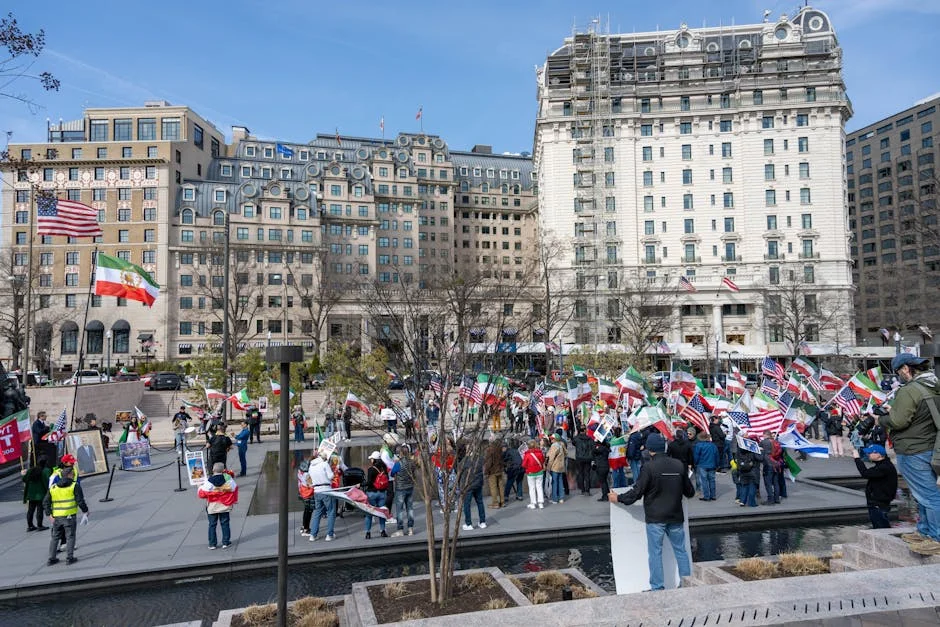
The Iranian government has condemned the United States' blockade of its ports, labelling the action as an 'act of war'. This strong rhetoric was announced in Tehran on Thursday and could escalate geopolitical tensions in the region. The move comes amid an already volatile environment due to ongoing conflicts involving Israel.
Background of the Blockade
The US blockade, which reportedly began earlier this week, aims to hinder Iran's oil exports. This action follows the US's longstanding sanctions policy, aimed at curbing Iran's nuclear ambitions. The blockade has been implemented around strategic maritime points, notably the Strait of Hormuz, through which approximately 20% of the world's petroleum passes.
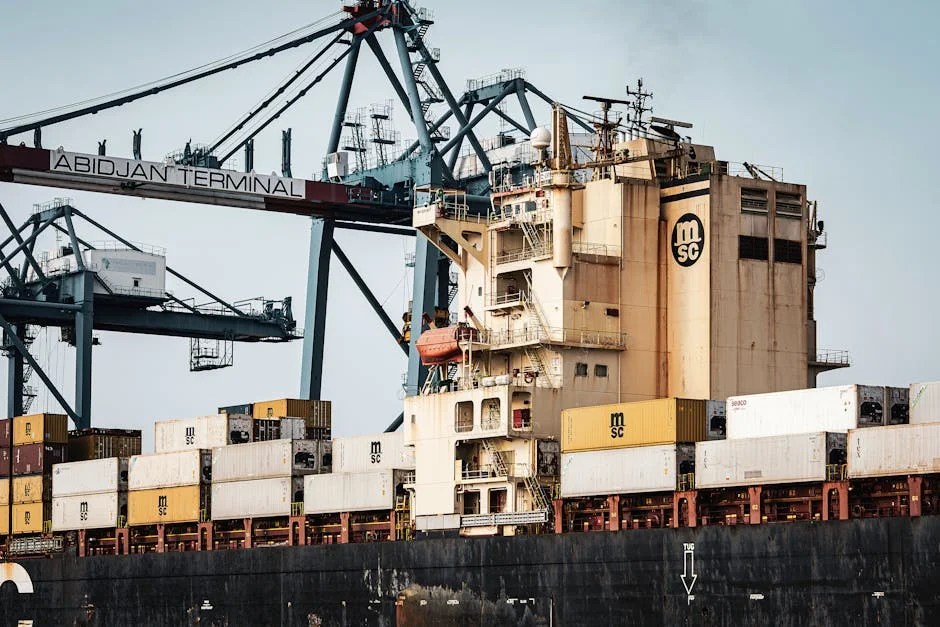
In response, Iran has threatened to retaliate by disrupting shipping lanes crucial to global oil supply. Such developments have caused a ripple effect in energy markets, with oil prices experiencing a 3% increase since the blockade's enforcement, reaching a two-month high.
Economic Implications for Markets


Energy Sector Volatility
The blockade's immediate impact has been felt in the energy sector. Oil companies globally are bracing for potential supply disruptions. Singapore, a major oil refining hub, could see shifts in its oil import routes, affecting supply chains. Furthermore, investors are monitoring the situation closely, given the potential for volatile price swings in crude oil futures.
Energy stocks have already responded, with companies like Shell and ExxonMobil seeing fluctuations in their share prices. Analysts predict that sustained tension could lead to more significant market corrections, impacting portfolios heavily weighted in energy.
Broader Market Concerns
Beyond energy, the blockade and Iran's threatened response have broader implications for global trade. The escalation could deter investment in the Middle East, a region already fraught with instability. Companies with operations in the region might face increased risks, leading to potential divestments or strategic shifts. Logistics firms, in particular, are revising their risk assessments and evaluating alternative routes.
In Singapore, businesses that rely on Middle Eastern imports may experience increased costs and delays, affecting their bottom lines. Investors in these sectors should remain vigilant as the situation unfolds.
Israel's Internal Military Discipline
In a related development, the Israeli military announced disciplinary actions against soldiers involved in desecrating a crucifix. This incident, occurring amidst ongoing Iran-Israel tensions, highlights the complex socio-political landscape of the region. While not directly related to the economic implications of the US-Iran standoff, it underscores the multifaceted nature of conflicts affecting the Middle East.
The Israeli Defence Forces (IDF) have stated that such actions are unacceptable and have reiterated their commitment to maintaining discipline and respect among troops. This move is seen as an effort to manage internal and external perceptions during a period of heightened scrutiny.
What to Watch Next
Looking ahead, the international community is keenly observing Iran's next steps. Any Iranian retaliation or escalation could further disrupt global oil supplies, exacerbating market volatility. The US's response to Iran's strong rhetoric is also critical, as it could set the stage for future diplomatic or military actions.
Investors and businesses should monitor updates closely, particularly any changes in shipping routes or oil production levels. As tensions continue to simmer, strategic assessments and proactive risk management will be essential for navigating these turbulent waters.
Logistics firms, in particular, are revising their risk assessments and evaluating alternative routes.In Singapore, businesses that rely on Middle Eastern imports may experience increased costs and delays, affecting their bottom lines. This incident, occurring amidst ongoing Iran-Israel tensions, highlights the complex socio-political landscape of the region.
What is the latest news about iran calls us port blockade an act of war impact on global trade looms?
Why does this matter for politics-governance?
What are the key facts about iran calls us port blockade an act of war impact on global trade looms?