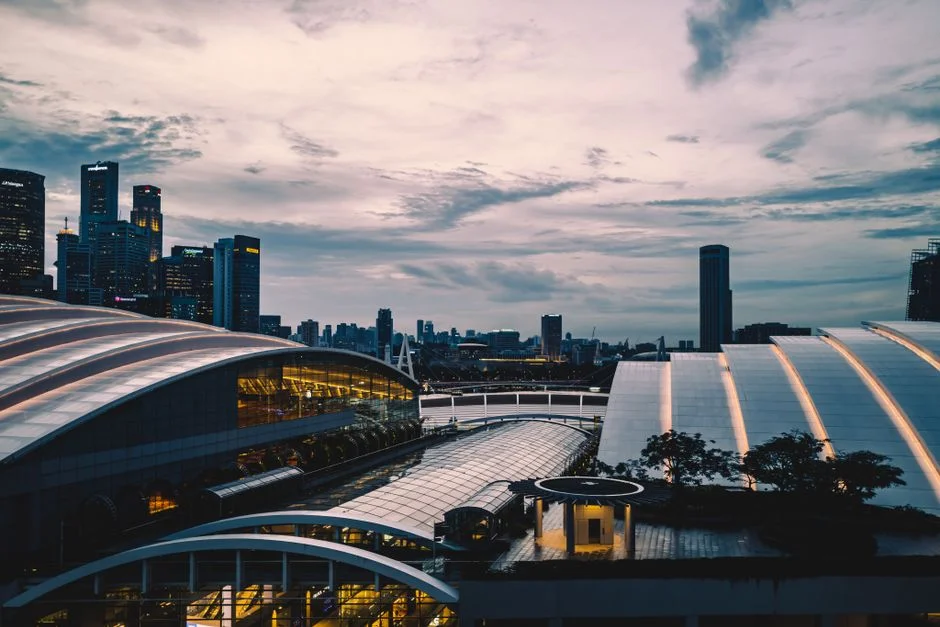
Russia's war memes have become a surprising driver of social media revenue, with platforms reporting a 25% increase in engagement from users in Southeast Asia, including Singapore. The viral content, often blending dark humor with geopolitical commentary, has drawn millions of views, reshaping how digital platforms monetize conflict-related content. The phenomenon has not only influenced user behavior but also altered advertising strategies, as brands seek to align with the trending, often controversial, narratives.
War Memes as a Digital Revenue Stream
The rise of war memes has created a new avenue for social media platforms to generate income. According to a report by the Singapore-based digital analytics firm TechTrack, platforms such as TikTok and Instagram saw a 25% surge in ad revenue from Southeast Asian users in the first quarter of 2024. This growth is attributed to the increased time spent on content that blends entertainment with real-world events. The data highlights how conflict, once a source of anxiety, is now a catalyst for digital engagement and monetization.
“The way people consume news has changed,” said Aisha Lim, a digital marketing analyst at TechTrack. “War memes are not just jokes; they're a form of cultural commentary that resonates with younger audiences. This shift is forcing brands to rethink their content strategies to stay relevant.”
Impact on Businesses and Investors

Investors are taking notice of the growing influence of war memes on digital platforms. In Singapore, venture capital firms have started to allocate more funds to social media startups that specialize in creating and distributing meme-based content. The investment is driven by the belief that this trend will continue to shape user behavior and advertising models for years to come.
“This is a new frontier for digital marketing,” said James Tan, an investment manager at Singapore-based CapitalEdge. “Companies that can effectively harness the power of war memes may gain a significant competitive advantage. However, they must also be cautious about the potential reputational risks involved.”
The business implications are clear: brands that fail to adapt to this shift may lose out on a growing audience. In contrast, those that engage with the trend may see increased brand loyalty and market share. The key challenge lies in balancing entertainment with responsibility, as the line between humor and insensitivity can be thin.
Market Reactions and Investor Sentiment
Stocks of major social media companies have seen a slight uptick in response to the growing influence of war memes. In particular, shares of Meta and TikTok’s parent company, ByteDance, rose by 3% and 4% respectively in early May, as investors anticipated increased ad revenue from the region. This market reaction underscores the financial stakes involved in the rise of meme-driven content.
“The market is reacting to the potential for sustained growth,” said Sarah Wong, a financial analyst at SG Securities. “While the connection between war memes and stock performance may seem indirect, the underlying trend of increased user engagement is a clear indicator of future profitability.”
Investors are also closely watching how governments respond to the spread of war memes. In Singapore, the Ministry of Information, Communications and the Arts has issued a statement urging platforms to ensure that content does not incite violence or spread misinformation. This regulatory scrutiny adds another layer of complexity for businesses operating in the space.
What to Watch Next
The next few months will be critical in determining the long-term impact of war memes on digital markets. In Singapore, a new digital content regulation bill is expected to be introduced in June, which could impose stricter guidelines on the distribution of conflict-related content. This development will likely shape how platforms and advertisers navigate the space in the coming year.
For investors, the key will be to monitor how platforms adapt to these changes and whether they can sustain the current level of engagement. For businesses, the challenge lies in leveraging the trend without compromising their values. As the digital landscape continues to evolve, the influence of war memes is set to remain a key factor in the broader economic and market context.
See Also
- Iran War Triggers Fuel Crisis, Costing Flight Tickets from April 1
- Blinken Confirms EU's Unique Path Amid Rising Tensions with China
“While the connection between war memes and stock performance may seem indirect, the underlying trend of increased user engagement is a clear indicator of future profitability.” Investors are also closely watching how governments respond to the spread of war memes. What to Watch Next The next few months will be critical in determining the long-term impact of war memes on digital markets.
What is the latest news about russias war memes boost social media revenue by 25?
Why does this matter for politics-governance?
What are the key facts about russias war memes boost social media revenue by 25?