Kenya has launched a new initiative aimed at supporting children with developmental needs, marking a significant step in the country’s social welfare strategy. The programme, officially titled "Future Bright," was announced by the Ministry of Health in Nairobi on 12 April 2025. It includes early intervention services, training for caregivers, and access to specialised education for children aged 3 to 12. The initiative is part of a broader effort to improve healthcare access and reduce the economic burden on families caring for children with disabilities.
Programme Details and Implementation
The "Future Bright" programme is being rolled out in phases across 10 key counties, including Nairobi, Mombasa, and Kisumu. A total of 500 children will be enrolled in the first phase, with plans to expand to 5,000 by 2026. The government has allocated KES 2.3 billion (approximately USD 20 million) for the initial phase, with additional funding expected from international partners such as the World Health Organization. The programme will be managed by the National Council for Persons with Disabilities, which has been tasked with overseeing the distribution of resources and monitoring outcomes.
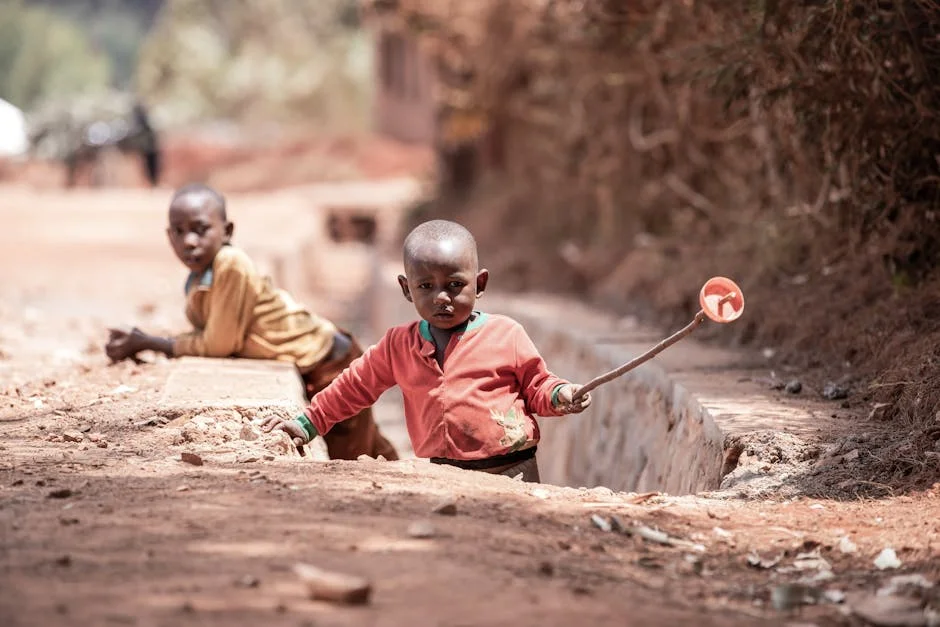
Health officials have highlighted the importance of early intervention in improving long-term outcomes for children with developmental disorders. "This is not just about providing care — it's about creating opportunities for these children to thrive," said Dr. Amina Juma, the director of the National Council for Persons with Disabilities. The programme includes speech therapy, physiotherapy, and psychological support, all delivered through mobile clinics to reach remote areas.
Market and Economic Implications


The launch of "Future Bright" is expected to have both direct and indirect economic impacts. On the direct front, it is likely to boost demand for healthcare professionals, particularly speech therapists and special education teachers. According to the Kenya Association of Speech and Hearing Therapists, there is currently a shortage of over 1,200 qualified therapists nationwide. The programme could help address this gap, potentially leading to job creation and increased investment in training institutions.
Investors are also paying attention to the long-term economic benefits of the initiative. A 2024 report by the World Bank estimated that every dollar invested in early childhood development yields a return of up to $7 in economic growth. This suggests that the programme could contribute to Kenya’s broader economic goals, including poverty reduction and increased workforce productivity. However, the success of the programme will depend on sustained government funding and effective implementation.
Business and Investor Perspectives
Private sector companies are beginning to explore opportunities in the healthcare and education sectors. Local firms such as MedTech Kenya and Bright Future Education have already partnered with the government to provide services under the programme. These collaborations could lead to new business ventures and partnerships, particularly in the development of assistive technologies and special education tools.
Investors are also watching the programme closely for signs of policy stability. The Kenyan government has shown a growing commitment to social welfare, which could attract foreign direct investment in related sectors. However, challenges remain, including bureaucratic delays and the need for better coordination between public and private stakeholders. "This is a positive step, but the real test will be in execution," said Samuel Mwangi, an economist at the Kenya Institute of Public Policy Research and Analysis.
What to Watch Next
The next major milestone for the "Future Bright" programme is the completion of the first phase by the end of 2025. This will provide a clearer picture of its effectiveness and scalability. The government has also announced plans to introduce a national disability registry by 2026, which could improve data collection and service delivery. Investors and businesses should monitor these developments closely, as they could shape the future of the healthcare and education sectors in Kenya.
The success of the programme will also depend on public awareness and community engagement. The Ministry of Health has launched a public education campaign to reduce stigma and encourage early screening for developmental disorders. This campaign, which will run through June 2025, includes radio ads, school workshops, and community outreach. If successful, it could lead to higher participation rates and better long-term outcomes for children with special needs.