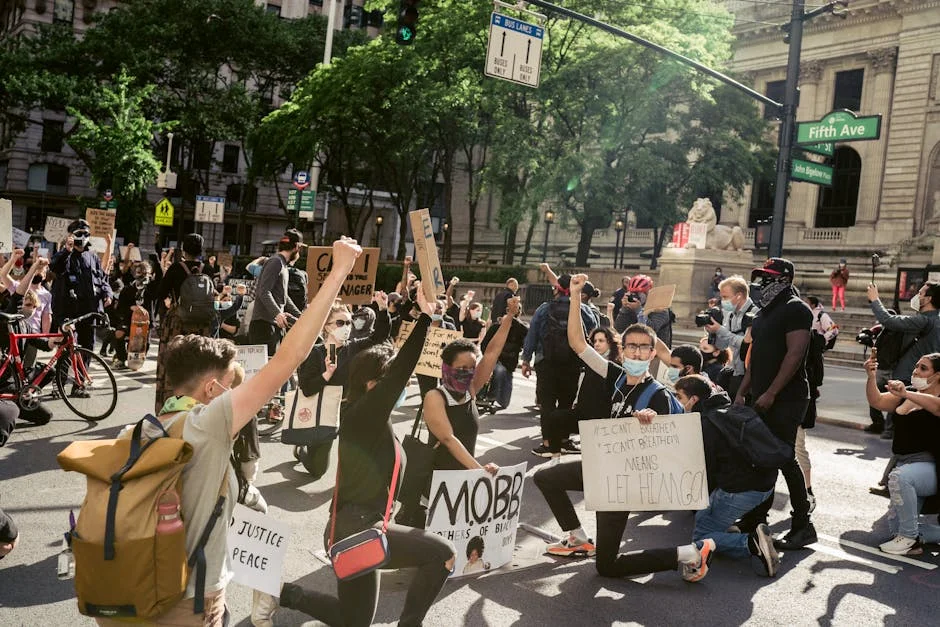
Amnesty International released a stark report on Tuesday warning of a "predatory world order" as global human rights protections face unprecedented erosion. The report, published ahead of the UN Human Rights Council session in Geneva, highlights a growing trend of authoritarian regimes undermining civil liberties and international norms. The findings come as investors and businesses closely monitor the geopolitical landscape for signs of instability that could disrupt global trade and investment flows.
Global Rights Erosion Sparks Market Concerns
The report details how 32 countries have enacted restrictive laws targeting journalists, activists, and opposition figures in the past year. In Singapore, local business leaders have expressed unease over the implications of a deteriorating global rights environment, with one executive noting, "A lack of political stability in key markets can lead to unpredictable regulatory changes." The report also points to a 17% increase in arbitrary detentions in the Middle East and North Africa, regions that are crucial for global energy and trade routes.
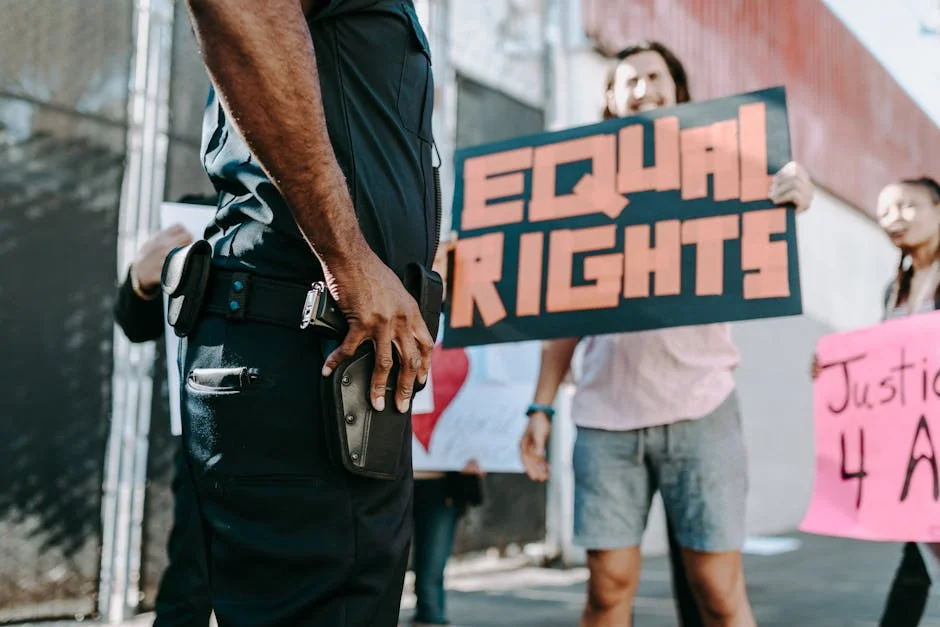
Investors are increasingly factoring in human rights risks when making decisions. The report has led to a slight dip in global equity markets, with the MSCI All Country World Index falling 0.8% on Tuesday. Analysts suggest that sectors such as technology and finance, which rely heavily on international operations, are particularly vulnerable. "A weakening of global norms can lead to more protectionist policies and trade barriers," said Maria Lopez, a senior analyst at Global Capital Insights.
Businesses Navigate a Riskier Global Environment


Companies operating in regions with high human rights concerns are reevaluating their supply chains and compliance strategies. In Southeast Asia, where Singapore serves as a major financial hub, multinational corporations are scrutinizing their partnerships with firms in countries like Myanmar and Vietnam. "We’re seeing a shift toward more transparent sourcing and ethical labor practices," said James Tan, a sustainability officer at a Singapore-based tech firm. "It’s not just about compliance anymore—it’s about reputation."
Amnesty International’s report also underscores the role of corporate accountability. The organisation calls for stricter enforcement of the UN Guiding Principles on Business and Human Rights, which require companies to conduct human rights impact assessments. In response, several European firms have announced new due diligence measures, signaling a potential shift in global corporate governance.
Investor Anxiety and Geopolitical Uncertainty
The report has raised concerns among investors about the long-term stability of global markets. With the US-China trade tensions and the ongoing conflict in Ukraine, the combination of geopolitical and human rights issues is creating a complex investment landscape. A survey by the Singapore Institute of Directors found that 64% of investors are now more cautious about emerging market investments, citing increased regulatory and political risks.
Market analysts warn that the situation could lead to a re-rating of global equities, with a focus on companies with strong ESG (Environmental, Social, and Governance) ratings. "Investors are starting to factor in social and political risks as part of their risk assessment," said Dr. Lina Chen, an economist at NUS Business School. "This could lead to a shift in capital flows toward more stable and transparent markets."
Regional Impact and Policy Responses
In Southeast Asia, the report has prompted calls for stronger regional cooperation. The Association of Southeast Asian Nations (ASEAN) is set to discuss human rights policies at its upcoming summit in Jakarta. While some member states have been reluctant to address the issue openly, the growing awareness of global trends is putting pressure on governments to act.
Meanwhile, in Singapore, the Ministry of Foreign Affairs has reiterated its commitment to human rights, stating that the country "supports the principles of international law and the protection of fundamental freedoms." However, the report has sparked internal debate about how to balance economic interests with ethical considerations in foreign policy.
What to Watch Next
As the UN Human Rights Council convenes in Geneva, the next few weeks will be critical for determining the global response to the report. Investors and businesses are closely watching for policy changes, regulatory shifts, and potential corporate actions that could reshape the international landscape. A key development to monitor is the potential for new international agreements or sanctions targeting countries with poor human rights records.
The report has also reignited discussions about the role of global institutions in safeguarding human rights. With the World Bank and IMF set to release their annual economic outlook, the focus on human rights and governance is expected to influence policy decisions and funding allocations. For now, the message from Amnesty International is clear: the erosion of global rights is not just a moral issue—it’s a financial and economic one.
See Also
- Fabinho's Goal Sends Ittihad to Quarter-Finals in Champions Asia Clash
- IRS Warns Taxpayers: Mailing Delays Could Make Returns Late
Investor Anxiety and Geopolitical Uncertainty The report has raised concerns among investors about the long-term stability of global markets. A survey by the Singapore Institute of Directors found that 64% of investors are now more cautious about emerging market investments, citing increased regulatory and political risks.
What is the latest news about amnesty international slams global rights erosion markets brace for shockwaves?
Why does this matter for economy-business?
What are the key facts about amnesty international slams global rights erosion markets brace for shockwaves?