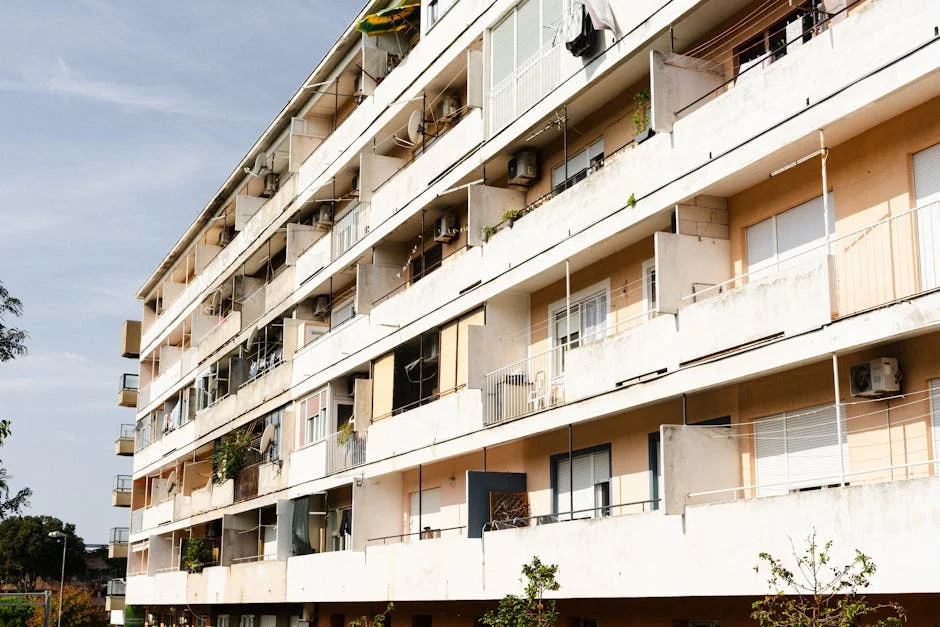
Porto Vivo, a major real estate project in Porto, has halted construction after Manuel Pureza, a leading environmental activist, filed a legal challenge against the development. The move has raised concerns over the project’s future, with investors and local businesses bracing for economic ripple effects. The dispute centers on environmental compliance, with Pureza alleging the project violates national sustainability laws.
Project Suspension Sparks Market Uncertainty
The sudden halt in construction has sent shockwaves through the local real estate sector. Porto Vivo, which was expected to generate over €150 million in revenue by 2025, now faces potential delays that could disrupt supply chains and investment flows. The project, located in the heart of Porto, was intended to boost tourism and create thousands of jobs in the region.
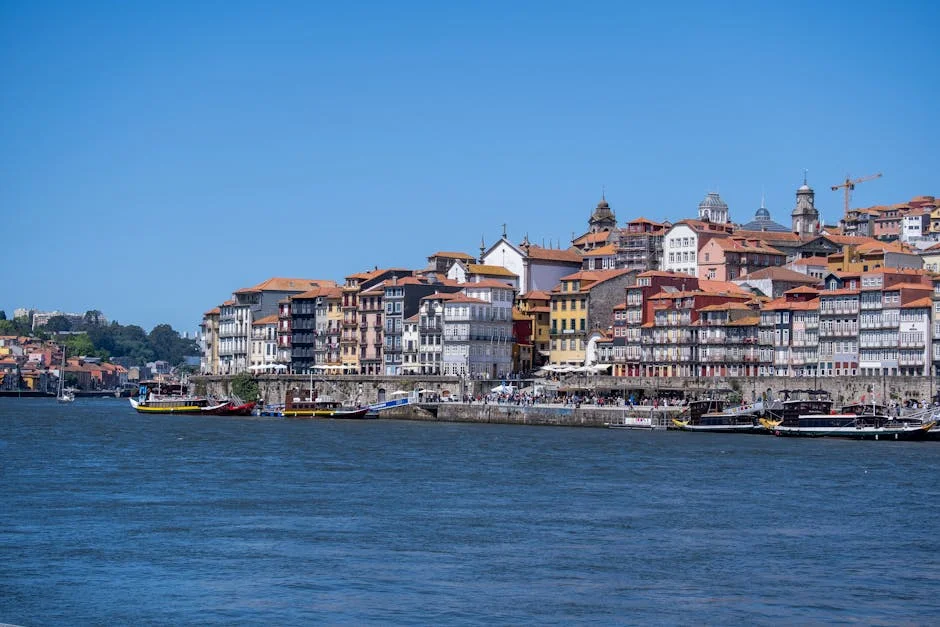
Investors have reacted swiftly. Shares in the holding company, which is partly owned by a Singapore-based fund, fell by 4.2% in early trading. Analysts warn that the uncertainty could deter future foreign direct investment in the city’s development plans. “The market is now watching closely to see how the legal battle unfolds,” said one financial expert.
Local businesses, particularly those in the construction and hospitality sectors, are also feeling the strain. A survey of 50 small firms in the area showed that 68% expect a short-term decline in revenue due to the project’s suspension. “We were counting on the influx of workers and tourists,” said a hotel owner in the city center.
Manuel Pureza’s Role in the Crisis


Manuel Pureza, a well-known environmental campaigner, has been at the forefront of the opposition to Porto Vivo. His legal challenge, filed with the Portuguese Environmental Agency, argues that the project fails to meet current green building standards. Pureza, who has previously led protests against large-scale infrastructure projects, has called for a complete review of the development’s environmental impact assessment.
The activist’s influence has grown in recent years, with his opinions frequently cited in national media. His involvement in the Porto Vivo case has amplified public scrutiny over the project’s compliance with environmental regulations. “This is about ensuring that development doesn’t come at the cost of our natural heritage,” Pureza said in a recent interview.
His actions have also sparked a broader debate about the balance between economic growth and environmental protection in Portugal. With the country aiming to meet EU climate targets, the case has become a test of how regulatory bodies handle such conflicts.
Regulatory Backlash and Legal Implications
The legal challenge has prompted the Portuguese Environment Ministry to review the project’s permits. The ministry has yet to issue a formal response, but internal documents suggest the review could take up to six months. This delay adds to the uncertainty for investors and developers already facing a tight regulatory environment.
Meanwhile, the legal costs for both parties are expected to rise. Pureza’s team has already spent over €200,000 on legal fees, while the project’s developers have reportedly allocated €500,000 for potential court battles. The outcome of the case could set a precedent for similar projects across the country.
Investor Concerns and Economic Outlook
The uncertainty surrounding Porto Vivo has raised red flags among international investors. A recent report by a Singapore-based financial firm highlighted the project as a key indicator of Portugal’s regulatory stability. The firm noted that the case could influence future investments in the country’s real estate and infrastructure sectors.
For Singaporean investors, the situation underscores the risks of overseas development projects. The fund, which holds a 15% stake in the project, has not yet commented on the potential impact on its portfolio. However, analysts suggest that the case could lead to a more cautious approach in future investments.
The broader economic implications are also significant. Portugal’s real estate sector has been a key driver of growth, with foreign investment accounting for nearly 30% of all property transactions in 2024. Any prolonged disruption could slow this momentum, affecting both domestic and international stakeholders.
What Comes Next for Porto Vivo?
The next major development will be the Environment Ministry’s decision on whether to suspend or modify the project’s permits. A ruling is expected by mid-October, with potential appeals extending the timeline further. Meanwhile, the developers have not ruled out seeking a settlement with Pureza’s team.
For now, the focus remains on the legal process and its economic fallout. Investors, businesses, and regulators are all watching closely as the case unfolds. The outcome could shape not only the future of Porto Vivo but also the direction of future development projects in Portugal.
Readers should monitor the Environment Ministry’s announcements and any updates from the developers. The next few weeks will be critical in determining the project’s fate and its impact on the broader economy.