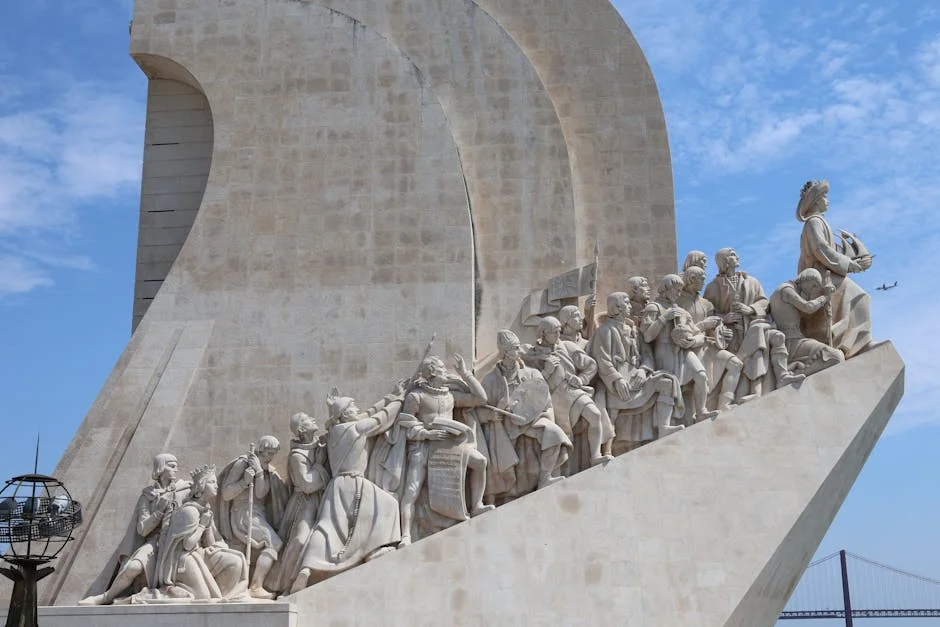
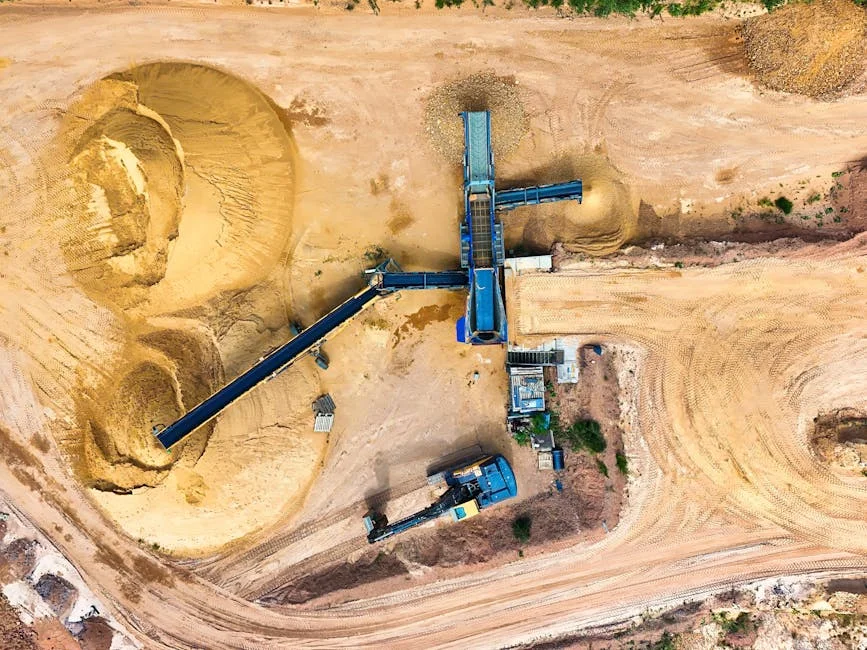
Sabia, a Portuguese environmental agency, has halted sand extraction from the Algarve coast to protect local beaches, triggering immediate concerns among investors and businesses reliant on tourism. The move comes after months of pressure from environmental groups and local communities who warned that unchecked sand removal was accelerating coastal erosion. The Algarve region, a major tourist destination in southern Portugal, is now at the center of a growing debate over sustainable development and economic priorities.
Environmental Action Sparks Immediate Market Reactions
The decision by Sabia to suspend sand extraction has sent ripples through the real estate and tourism sectors in the Algarve. The agency confirmed the halt on 15 May 2024, citing the need to preserve the natural coastline and prevent further damage to ecosystems. This move has already led to a 3% drop in property values in Quarteira, a coastal town known for its long stretches of sandy beaches.
Investors are now closely watching the situation, with some fearing that the restrictions could lead to higher costs for beach restoration projects. “The tourism industry in the Algarve is highly dependent on the natural beauty of the coastline,” said Ana Ferreira, a real estate analyst at Lisbon-based consultancy Solinvest. “Any disruption to the environment could have long-term effects on visitor numbers and local businesses.”
Businesses Face Uncertainty

Local businesses, particularly those in the hospitality and construction sectors, are bracing for the economic fallout. Hotels and resorts in the Algarve have reported a slight decline in bookings since the announcement, with some guests expressing concerns over the availability of pristine beaches. “We’ve seen a 10% drop in inquiries from international tourists,” said João Mendes, owner of a boutique hotel in Albufeira. “It’s worrying, but we have no choice but to adapt.”
The construction industry is also affected, as developers face new regulations on sand usage. A recent report by the Portuguese Ministry of Environment highlighted that 40% of the sand used in the Algarve is sourced from the coast, and the suspension of extraction could lead to a 20% increase in building material costs. “This is a major issue for the construction sector,” said Maria Costa, a spokesperson for the Algarve Builders’ Association. “We need clarity on alternative sources of sand.”
Investor Outlook: Short-Term Volatility, Long-Term Concerns
The financial markets have reacted cautiously to the news, with the Lisbon Stock Exchange seeing a 1.5% decline in shares of major real estate firms linked to the Algarve. Analysts suggest that while the immediate impact is limited, the long-term implications could be more significant. “This is a signal that environmental sustainability is becoming a key factor in investment decisions,” said Carlos Silva, an economist at the University of Lisbon. “Investors are starting to factor in the risks of ecological degradation.”
Despite the concerns, some experts believe the move could lead to long-term benefits. “By prioritizing environmental protection, the Algarve could attract more eco-conscious tourists and investors,” said Sofia Lopes, a sustainability consultant. “It’s a trade-off, but one that may be necessary for the region’s future.”
Regulatory and Policy Implications
The Sabia decision has prompted calls for a comprehensive review of sand extraction policies across Portugal. The Ministry of Environment has announced plans to draft new legislation by the end of 2024, which could include stricter controls on coastal development and a shift toward sustainable alternatives. “This is a turning point,” said Minister of Environment João Fernandes. “We need to balance economic growth with environmental responsibility.”
Local municipalities are also considering their own measures. In Quarteira, the city council has proposed a 5-year beach restoration plan that includes artificial sand replenishment. “We need to find a way to maintain the natural beauty of our coastline while supporting economic development,” said Mayor Ana Ferreira. “This is a complex challenge, but one we must address.”
Alternatives and Solutions
Experts are exploring alternative sources of sand, including recycled materials and offshore extraction. A pilot project in the nearby region of Albufeira is testing the use of crushed rock as a substitute for coastal sand, with early results showing promise. “This could be a viable solution,” said Dr. Luis Mendes, a geologist at the University of Algarve. “However, it requires significant investment and time to scale up.”
Another option is the use of sand from inland quarries, which could reduce the environmental impact on coastal areas. However, this approach would increase transportation costs and may not be feasible for smaller businesses. “We need a balanced approach that considers both the environment and the economy,” said Maria Costa from the Algarve Builders’ Association.
What to Watch Next
The coming months will be critical for the Algarve region as new policies are developed and implemented. Investors and businesses must stay informed about regulatory changes and explore sustainable alternatives. The Portuguese government is expected to release a detailed report on sand extraction by the end of June, which could shape future market trends.
For now, the focus remains on the long-term sustainability of the Algarve’s coastline. As Sabia and local authorities work to find a balance between development and conservation, the region’s economic future hangs in the balance. What happens next could set a precedent for coastal management across Europe.