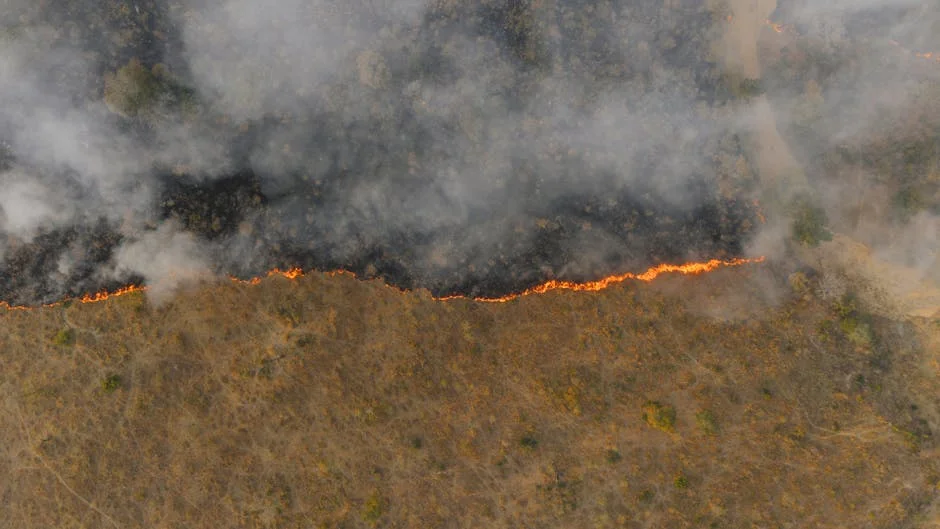
The Citizen reported a major fire at Kruger National Park, one of South Africa's most visited wildlife reserves, on 12 April 2024. The blaze, which began near the park’s eastern boundary, has already scorched over 1,200 hectares of land and forced the temporary closure of several camps. The South African National Parks (SANParks) confirmed the incident, stating that emergency teams are working to contain the spread. The fire has raised concerns about the long-term impact on tourism, a key revenue driver for the region.
Fire's Immediate Impact on Tourism and Local Businesses
The fire has disrupted operations at the park’s popular rest camps, including Skukuza and Lower Sabie, which typically host thousands of visitors annually. According to SANParks, the number of daily visitors has dropped by nearly 40% since the incident, with several international tour operators suspending trips. Local businesses, including lodges, safari guides, and nearby towns like Hazyview, have felt the effects. A local lodge owner, Thandiwe Mokoena, told The Citizen that bookings for May have been cancelled, causing a sharp decline in income.
Investors in the tourism sector are closely monitoring the situation. The South African Tourism Board (SAT) estimates that Kruger National Park contributes over R2.3 billion (approximately $130 million) annually to the economy. With the fire disrupting visitor numbers, the sector could face a significant setback. Analysts suggest that the full economic impact may not be clear until the end of the peak season in May.
Environmental and Economic Consequences

The fire has also raised environmental concerns, as the park is home to diverse ecosystems and endangered species. Conservationists warn that the destruction of vegetation could affect wildlife migration patterns and habitat stability. Dr. Sipho Nkosi, a wildlife biologist with the African Wildlife Foundation, said the long-term ecological damage is still uncertain but could take years to recover.
From an economic standpoint, the fire may lead to higher costs for restoration and increased insurance claims. The South African government has allocated R50 million for emergency response and environmental assessments. However, the long-term financial burden on local communities and businesses remains a concern. The fire has also prompted calls for improved fire prevention strategies, including better early warning systems and increased funding for park management.
Investor and Market Reactions
Stocks of companies linked to the tourism sector have seen a slight dip following the fire. Shares of African Travel Group, a major operator in the region, fell by 2.3% on the Johannesburg Stock Exchange. Investors are cautious, as the fire could signal broader environmental risks that may affect the country’s tourism appeal. However, some analysts remain optimistic, noting that Kruger National Park has a strong recovery record from past incidents.
Foreign investors, particularly those from Europe and Asia, are re-evaluating their travel plans to South Africa. The fire has also drawn attention to the country’s vulnerability to climate-related disasters. A recent report by the World Travel and Tourism Council highlighted that South Africa’s tourism sector is increasingly exposed to environmental risks, which could influence long-term investment decisions.
Regional and International Response
The fire has prompted a regional response, with neighbouring countries like Zimbabwe and Mozambique offering support. The Southern African Development Community (SADC) has pledged assistance in firefighting and environmental recovery efforts. This collaboration could strengthen regional ties but also highlights the need for a coordinated approach to climate resilience.
International conservation groups have also stepped in. The World Wildlife Fund (WWF) has sent a team of experts to assess the damage and provide technical support. Their involvement could lead to new funding opportunities for park restoration, but it also underscores the growing role of global organisations in addressing local environmental crises.
What to Watch Next
Authorities are expected to release a full environmental impact assessment by mid-May, which will provide more clarity on the extent of the damage. The South African government has also announced a review of its fire management policies, with a final report due by the end of June. Investors and businesses will be closely watching these developments, as they could shape the future of tourism in the region.
The fire at Kruger National Park has already triggered a chain reaction in the tourism and environmental sectors. As the situation unfolds, stakeholders will need to adapt quickly to mitigate the financial and ecological fallout. The coming weeks will be critical in determining whether the park can recover and maintain its status as a global tourism destination.
See Also
- Trump Issues Decree to Pay Airport Security Workers Amid Funding Crisis
- Endrick's Struggles Slam Celta's Performance - What It Means For The Team's Future
Shares of African Travel Group, a major operator in the region, fell by 2.3% on the Johannesburg Stock Exchange. However, some analysts remain optimistic, noting that Kruger National Park has a strong recovery record from past incidents.
What is the latest news about kruger national park fire sparks tourism crisis?
Why does this matter for economy-business?
What are the key facts about kruger national park fire sparks tourism crisis?