Thanda Ram, a 38-year-old worker at Vedanta's aluminium plant in Chhattisgarh, died in a blast at the facility on 12 May, leaving his wife and two children in turmoil. His widow, who has not been named publicly, recently asked her children, "When will Papa return?" The incident has sparked a wave of concern over workplace safety in India’s industrial sector, particularly at Vedanta, a major player in the country’s mining and energy industries.
Worker's Death Sparks Safety Concerns
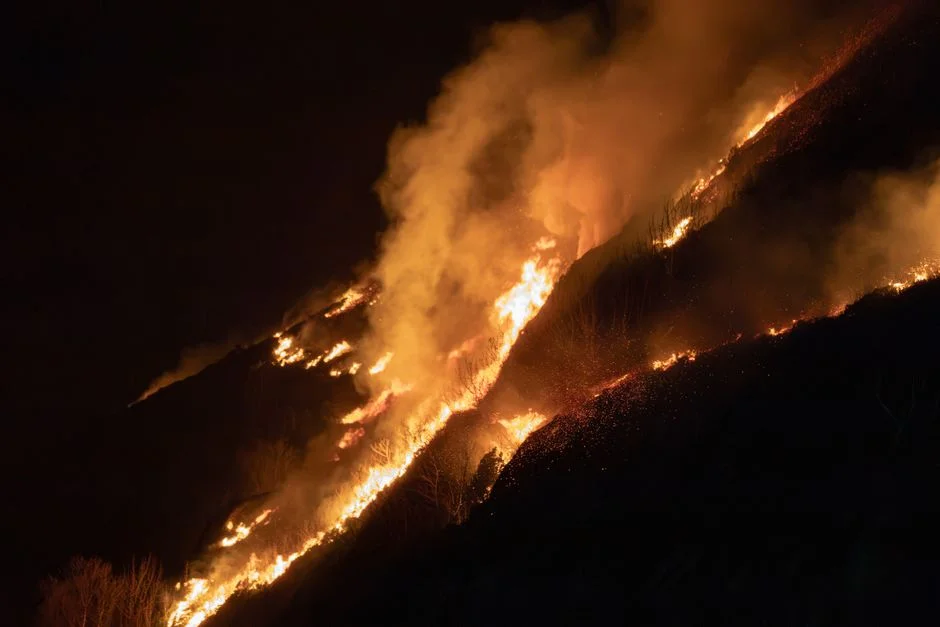
The explosion at the Vedanta plant in Korba, Chhattisgarh, occurred during routine operations, according to a statement from the company. Thanda Ram, who had worked at the site for over a decade, was among several employees injured in the blast. His death has raised urgent questions about the safety protocols at one of India’s largest industrial complexes.
Local authorities have launched an investigation into the cause of the explosion, with initial reports suggesting a gas leak may have been to blame. The incident has drawn attention to the broader safety challenges faced by workers in India’s heavy industries, where accidents are not uncommon. In 2022, the National Crime Records Bureau reported over 1,200 workplace fatalities in the mining and manufacturing sectors alone.
Vedanta Faces Scrutiny Over Safety Standards


Vedanta, which operates multiple plants across India, has faced repeated criticism over its safety record. The company, which is part of the Vedanta Group, a major global metals and mining firm, has seen several incidents in the past decade. In 2018, a similar blast at the same Korba plant killed two workers and injured dozens. Despite these incidents, the company has not publicly disclosed detailed safety improvements since then.
The Indian government’s Ministry of Labour and Employment has called for a review of safety measures at industrial sites, especially those operated by large corporations. "Every worker deserves a safe environment," said a spokesperson. "We are taking this incident very seriously and will ensure that all necessary steps are taken to prevent such tragedies in the future."
Impact on Local Economy and Investors
The incident has not only affected the local community but also raised concerns among investors and business partners. Vedanta, which is listed on the Bombay Stock Exchange, saw a slight dip in its share price following the news. The company’s market capitalisation, currently valued at over $15 billion, remains a key indicator of investor confidence in its operations.
Analysts suggest that the blast could lead to increased regulatory scrutiny and potential operational delays. "Any disruption in Vedanta’s production could have ripple effects across the supply chain, especially in the aluminium and steel sectors," said Ravi Sharma, an economic analyst at the Mumbai-based Institute for Economic Research. "Investors are watching closely to see how the company responds."
Community Response and Calls for Accountability
Local residents and activists have demanded greater transparency from Vedanta and the government. A group of workers' families staged a protest outside the plant, calling for better safety measures and compensation for affected families. "We are not asking for much — just a safe place to work," said one protester, who asked to remain anonymous.
The incident has also drawn attention to the broader issue of worker welfare in India’s industrial sector. According to a 2023 report by the International Labour Organisation, over 10% of workplace accidents in India occur in the mining and manufacturing sectors, with many cases going unreported.
Worker Welfare and Regulatory Oversight
One of the key concerns is the lack of effective regulatory oversight. While the Indian government has set safety standards for industrial sites, enforcement remains inconsistent. In Chhattisgarh, where the Vedanta plant is located, the state government has been under pressure to improve workplace safety laws.
Local unions have also called for stricter enforcement of existing regulations. "We have been raising these issues for years," said Anil Kumar, a union representative. "It’s time for real action, not just promises."
The incident has also raised questions about corporate responsibility. Vedanta, which has operations in multiple countries, has faced similar controversies in the past. In 2019, a human rights organisation accused the company of failing to meet environmental and safety standards in its Nigerian operations.
What Comes Next?
As the investigation into the blast continues, the focus will shift to how Vedanta and the government respond. The company is expected to issue a detailed statement on the incident and any steps being taken to prevent future accidents. The Indian government has also announced plans to review safety regulations for industrial plants, with a report expected by the end of the year.
For investors, the incident serves as a reminder of the risks associated with large-scale industrial operations. Market analysts are closely watching how Vedanta manages its reputation and operational risks in the coming months. Meanwhile, local communities will continue to demand accountability and change.
See Also
- Barcelona Halts Wheat Imports Amid Currency Crisis
- Nintendo Lets Switch Users Play Free Wii and GameCube Games