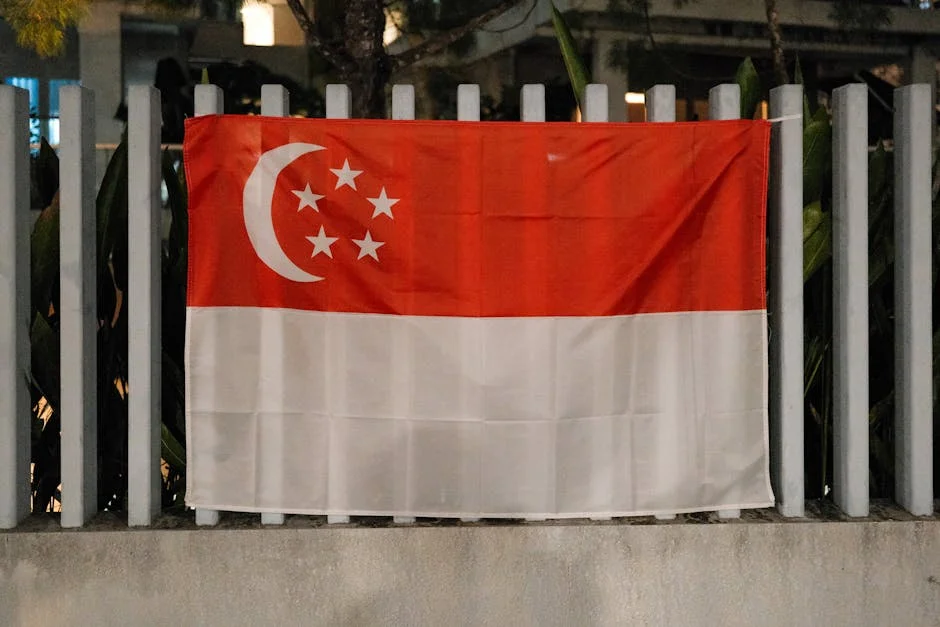
The Direct Marketing Association (DMA) has raised concerns over the long-awaited spam call registry in Singapore, warning that delays in implementation are causing operational and financial strain on businesses. The registry, intended to curb unsolicited calls, has faced multiple setbacks, leaving companies in a regulatory limbo. Industry leaders say the uncertainty is hampering investment and customer trust.
Regulatory Hurdles Hamper Industry Growth
Since the initial proposal in 2022, the spam call registry has been delayed due to technical and administrative challenges. The Infocomm Media Development Authority (IMDA) has yet to finalise the framework, leaving businesses without clear guidelines. According to a DMA survey, 72% of members reported increased customer complaints and higher operational costs due to the lack of a unified system.

The issue is not just about compliance. For businesses, especially in the financial and retail sectors, managing unsolicited calls has become a costly burden. A Singapore-based fintech firm, FinTech Solutions, reported a 15% rise in customer service costs in the past year, partly due to the inability to filter spam calls effectively. "Without a reliable system, we're forced to invest in costly third-party solutions," said CEO Lim Wei Jie.
Market Reactions and Investor Concerns


Investors are growing wary of the regulatory uncertainty. The Singapore Exchange (SGX) has seen a slight dip in tech and telecom stocks, with analysts citing regulatory delays as a key factor. "The uncertainty is affecting investor confidence," said Dr. Sarah Tan, an economist at the National University of Singapore. "Businesses need clarity to plan long-term strategies."
The DMA has urged the government to expedite the process, highlighting that similar systems in Australia and the UK have been successfully implemented. "If Singapore lags, it risks falling behind global standards," said DMA spokesperson Rachel Koh. "This is not just an industry issue — it's a matter of economic competitiveness."
Business Implications and Consumer Impact
For small and medium enterprises (SMEs), the delay is particularly concerning. Many lack the resources to manage spam calls efficiently, leading to increased overheads and reduced productivity. A survey by the Singapore Business Federation found that 60% of SMEs are considering outsourcing customer service to reduce the impact of spam calls.
Consumers are also feeling the effects. A recent poll by the Consumer Association of Singapore (Case) found that 45% of residents receive more than 10 unsolicited calls daily. "It's a nuisance that affects daily life," said Case director Wong Mei Ling. "A reliable registry would not only help businesses but also protect consumers."
International Comparisons and Lessons
Comparing Singapore’s approach to that of other countries reveals potential pathways forward. In Australia, the 'Do Not Call Register' has significantly reduced spam calls, with a 60% drop since its launch in 2007. The UK's Telephone Preference Service (TPS) has also seen similar success. Both systems rely on a centralised database that businesses must check before making calls.
Experts suggest that Singapore could adopt a similar model, with stricter penalties for non-compliance. "The key is enforcement," said Dr. Tan. "Without a clear mechanism, the registry will remain ineffective."
What’s Next for the Industry?
The government is expected to release a revised timeline for the spam call registry by the end of the year. However, industry leaders are calling for more transparency and a clearer roadmap. "We need a definitive date, not just vague assurances," said Koh. "Time is running out."
Investors and businesses are watching closely. A delayed rollout could further strain the market, while a swift resolution could restore confidence and drive growth. For now, the industry remains in a state of uncertainty, waiting for clarity on a system that could reshape the way businesses and consumers interact.
See Also
- Israel Launches New Wave of Attacks on Tehran, Sparks Regional Tensions
- Nigeria's Youth Demand Action on Climate Change — Economy Faces Immediate Impact
What is the latest news about industry slams spam call registry amid regulatory delays?
Why does this matter for economy-business?
What are the key facts about industry slams spam call registry amid regulatory delays?