South Korea's search for a wolf that escaped from a wildlife sanctuary has drawn attention from environmentalists, local authorities, and the public, highlighting tensions between conservation efforts and public safety. The animal, believed to be a lone male, was last seen in the Neukgu area, a rural region near Seoul, after breaking out of the Daegu Wildlife Conservation Center on April 5. The incident has raised questions about the management of protected species and the effectiveness of current wildlife policies.
Escaped Wolf Triggers Public and Policy Concerns
The wolf’s escape has sparked a nationwide debate about the risks of keeping wild animals in captivity. Local officials in Neukgu, a region known for its forests and agricultural land, have launched a multi-agency search, using both traditional tracking methods and AI-driven image recognition to identify the animal. The hunt has involved over 200 personnel, including rangers and volunteers, who have been combing through dense woods and remote areas.
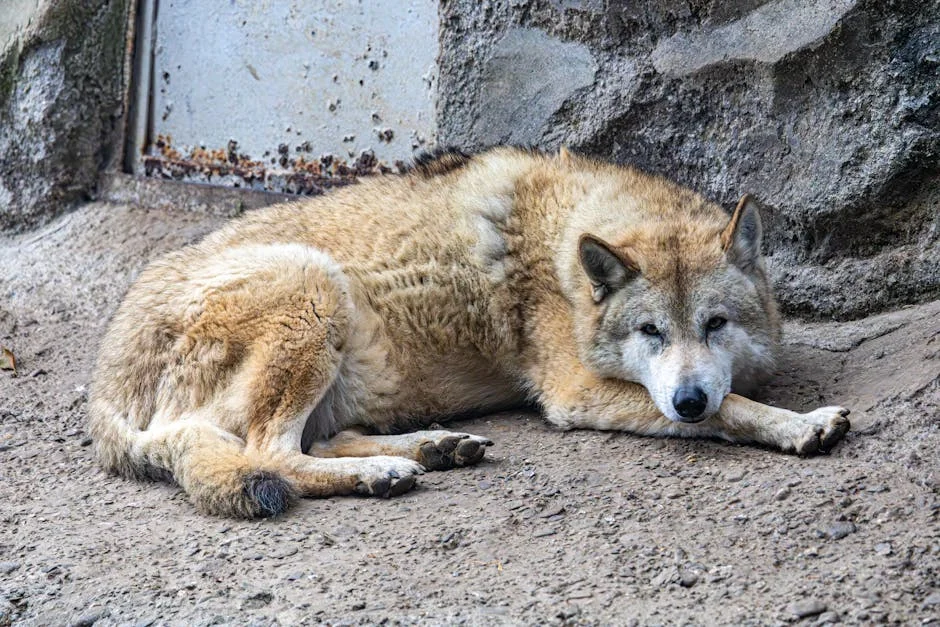
The incident has also raised concerns among residents, many of whom live near the sanctuary. "We didn’t expect a wolf to be so close to our homes," said Kim Jong-hoon, a farmer in Neukgu. "It’s terrifying, but we also want to protect the animal." The local government has issued warnings to avoid the area and has advised people to keep pets indoors.
Wildlife Management Under Scrutiny
Environmental groups have criticized the sanctuary’s security measures, citing a lack of proper fencing and monitoring systems. The Daegu Wildlife Conservation Center, which houses over 500 animals, has faced scrutiny in recent years over several escape incidents. A 2022 report by the Korea Environment Institute found that 12% of wildlife facilities in the country had reported at least one escape in the past five years.
"This is not just about one wolf," said Park Soo-jin, a wildlife researcher at Seoul National University. "It reflects a broader issue with how we manage and protect wild animals in captivity. If we don’t improve these systems, more incidents are likely to happen."
Impact on Local Economy and Tourism


The wolf’s escape has also affected local businesses in Neukgu, particularly those in the agriculture and tourism sectors. Farmers have reported a drop in sales due to concerns about livestock safety, while nearby eco-tourism operators have seen a decline in visitors. The region, which relies heavily on nature-based tourism, is now facing pressure to reassure both locals and tourists.
Local officials have pledged to invest in better security for the sanctuary, including reinforced fencing and real-time monitoring systems. The Ministry of Environment has also announced a review of wildlife management policies across the country, with a focus on improving safety and transparency.
AI and Technology in the Search
One of the most notable aspects of the search has been the use of AI-powered image recognition to detect the wolf. The system, developed by a local tech firm, analyzes footage from cameras placed around the sanctuary and identifies potential sightings. While the technology has not yet confirmed the wolf’s location, it has significantly improved the speed and accuracy of the search.
Officials have also deployed thermal imaging drones and scent-tracking dogs to increase the chances of locating the animal. The combined use of technology and traditional methods has drawn praise from some experts, who see it as a model for future wildlife management efforts.
What’s Next for South Korea’s Wildlife Policy?
The incident has intensified calls for a nationwide review of wildlife conservation practices. The Ministry of Environment has set a deadline of mid-May to present a new set of guidelines for managing captive wildlife, with a focus on preventing future escapes and ensuring public safety. The outcome of this review could have significant implications for conservation efforts and the tourism industry in South Korea.
For investors and businesses in the environmental sector, the incident highlights the growing importance of sustainable and secure wildlife management. As the country moves forward, the balance between conservation and public safety will remain a key issue to watch.
See Also
- Volunteers Rally to Save 1,000 Breeding Toads After Reservoir Drained
- Trump Slams Sánchez Over War Criticisms — Tensions Rise in Global Markets
For investors and businesses in the environmental sector, the incident highlights the growing importance of sustainable and secure wildlife management. Farmers have reported a drop in sales due to concerns about livestock safety, while nearby eco-tourism operators have seen a decline in visitors.
What is the latest news about south koreas wolf hunt sparks debate over wildlife policy?
Why does this matter for economy-business?
What are the key facts about south koreas wolf hunt sparks debate over wildlife policy?