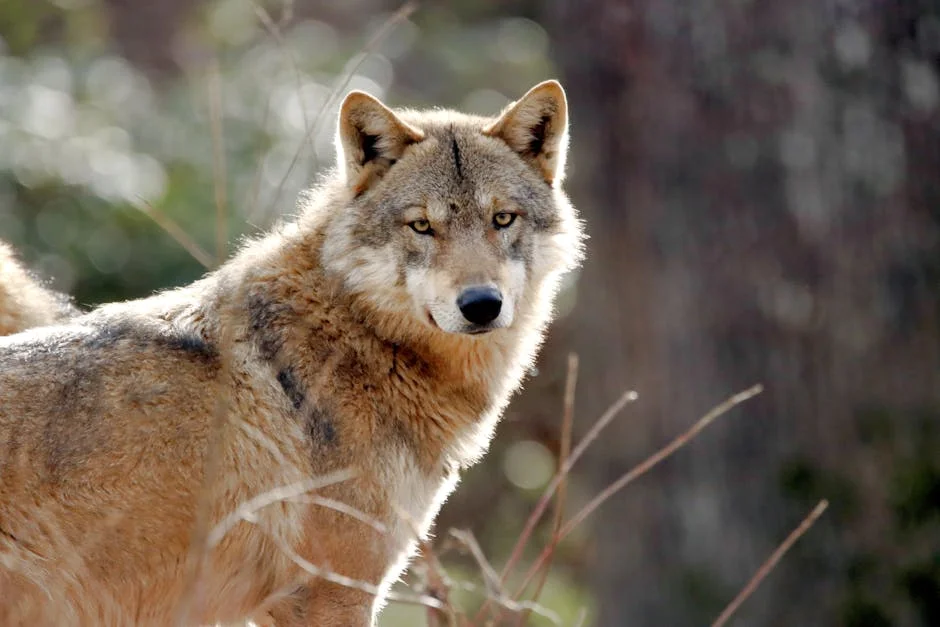
South Korea’s wildlife authorities captured a runaway wolf after a nine-day search across the mountainous region of Gangwon Province. The animal, identified as a male gray wolf, had escaped from a conservation center in Pyeongchang on April 5, sparking a large-scale operation involving over 100 officials from the Ministry of Environment. The incident raised concerns about wildlife management and public safety, with local businesses and tourism operators in the area closely monitoring developments.
Operation Details and Public Response
The search began immediately after the wolf’s escape, with authorities deploying drones, thermal imaging cameras, and tracking teams. The animal was last seen near the Taebaeksan mountain range, a popular hiking area. Local residents were advised to avoid the region, and several hiking trails were temporarily closed. A spokesperson from the Ministry of Environment confirmed the capture on April 13, stating that the wolf was safely returned to the facility.
The incident highlighted the challenges of managing wildlife in densely populated regions. In 2022, South Korea recorded over 200 wolf sightings in urban and semi-urban areas, a significant increase from previous years. The government has been expanding its conservation efforts, but critics argue that more resources are needed to prevent such incidents.
Impact on Local Businesses and Tourism
The temporary closure of hiking trails in Gangwon Province affected local businesses, particularly small-scale tour operators and mountain lodges. According to the Gangwon Chamber of Commerce, approximately 15% of tourism revenue in the region was lost during the search period. One lodge owner, Kim Jong-ho, said, “We had to cancel bookings and lost a lot of income. It’s a tough time for us.”
Investors in the tourism sector have taken note of the incident. A report by the Korea Tourism Organization noted that wildlife-related disruptions could affect visitor numbers, especially during peak seasons. The organization is now urging local governments to improve emergency response protocols for similar events.
Economic Implications and Policy Debates
The wolf incident has reignited debates about the balance between wildlife conservation and public safety. While the Ministry of Environment emphasizes the importance of protecting native species, some policymakers argue that more stringent regulations are needed. A recent survey by the Korea Institute for Health and Environment found that 68% of respondents supported increased funding for wildlife monitoring programs.
For investors, the incident underscores the need for careful risk assessment in regions with high wildlife activity. Real estate and tourism-related stocks in Gangwon Province saw a slight dip in value following the news, according to data from the Korea Exchange. Analysts suggest that long-term stability will depend on effective policy implementation and community engagement.
Future Steps and Public Awareness
Following the capture, the Ministry of Environment has announced plans to enhance public awareness campaigns about wildlife safety. A new initiative, launched in May, will include educational materials for schools and local communities. The goal is to reduce human-wildlife conflicts and improve response times in emergencies.
Businesses in the region are also preparing for future challenges. The Gangwon Tourism Association has started collaborating with conservation groups to develop contingency plans. “We need to be proactive,” said Lee Mi-jung, a representative of the association. “This incident shows that we can’t ignore the risks.”
Long-Term Policy Considerations
One of the key policy considerations is the expansion of protected wildlife zones. Currently, only 6% of South Korea’s land is designated as protected, far below the global average. Environmental groups are pushing for increased funding to expand these areas and improve infrastructure for monitoring and rescue operations.
The incident has also prompted a review of existing laws on animal containment. A proposed amendment to the Wildlife Protection Act, expected to be introduced in the coming months, would require stricter protocols for facilities housing wild animals. This could have implications for the tourism and conservation sectors, potentially increasing operational costs but also improving safety standards.
What to Watch Next
The next step will be the implementation of the proposed policy changes, with the Ministry of Environment expected to release a detailed plan by mid-May. Investors and businesses should monitor developments in wildlife management regulations, as they could influence long-term operations in the region. Additionally, the effectiveness of the new public awareness campaigns will be a key indicator of whether such incidents can be minimized in the future.
Frequently Asked Questions
What is the latest news about south korea captures runaway wolf after 9day search?
South Korea’s wildlife authorities captured a runaway wolf after a nine-day search across the mountainous region of Gangwon Province.
Why does this matter for economy-business?
The incident raised concerns about wildlife management and public safety, with local businesses and tourism operators in the area closely monitoring developments.
What are the key facts about south korea captures runaway wolf after 9day search?
The animal was last seen near the Taebaeksan mountain range, a popular hiking area.