Noida workers launched a widespread protest after the Uttar Pradesh government approved a 15% wage cut for industrial workers, prompting fears of factory shutdowns and economic disruption. The move, announced by the state Labour Ministry on 15 May, has sparked immediate backlash from unions and business groups, with over 30% of workers across the Noida industrial zones walking out. The unrest threatens to destabilise the region’s manufacturing sector, which contributes 12% to the state’s GDP.
Wage Cuts Spark Immediate Protests
The Uttar Pradesh Labour Ministry announced the wage reduction as part of a broader cost-cutting measure to manage the state’s budget deficit, which reached ₹2.3 trillion in 2023. The decision, made without prior consultation with unions, triggered a wave of protests across Noida, a major industrial hub in the National Capital Region. On 17 May, over 15,000 workers from 50 factories staged a sit-in at the Noida Industrial Area, demanding the reversal of the policy.
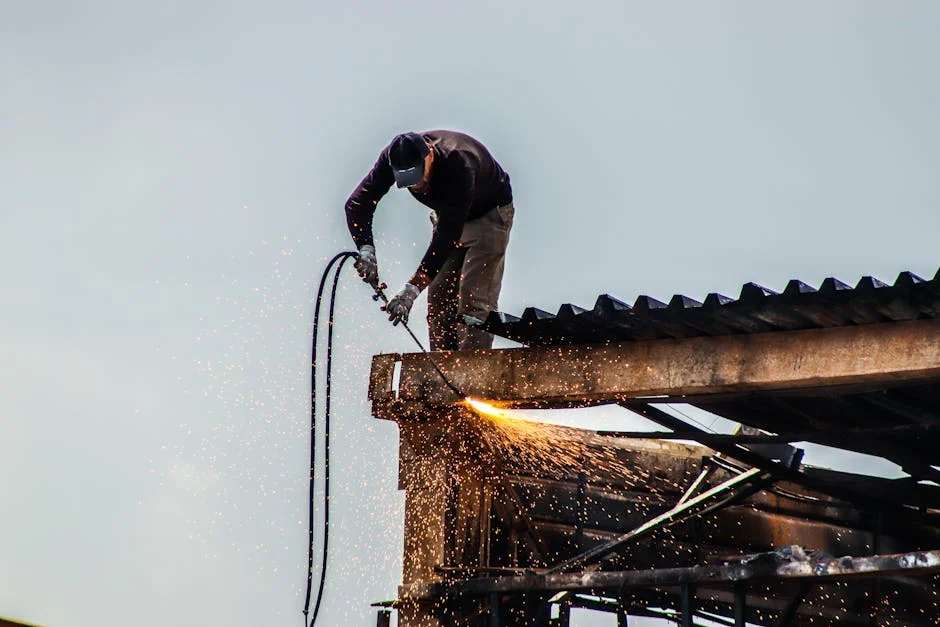
“This is a direct attack on the livelihoods of workers,” said Rakesh Kumar, a union representative from the All India Trade Union Congress. “We will not accept any reduction in our wages without proper negotiation.” The protests have already forced the closure of 12 factories, with more likely to follow if the dispute remains unresolved.
Businesses Face Uncertainty


The sudden wage cuts and subsequent protests have created uncertainty for businesses in Noida, a key manufacturing and IT hub. Companies in the auto components and electronics sectors, which rely heavily on low-cost labour, are now facing potential production delays. According to a report by the Confederation of Indian Industry (CII), 35% of Noida-based firms have expressed concern over the potential impact on supply chains.
“The situation is volatile,” said Sanjay Verma, a director at a leading automotive supplier in Noida. “We are already seeing a 20% slowdown in production due to the strike. If this continues, it could lead to missed orders and loss of revenue.” The uncertainty has also caused a drop in investor confidence, with several foreign firms pausing expansion plans in the region.
Investor Concerns and Market Reactions
The unrest in Noida has sent ripples through the Indian stock market, with the Nifty 50 index falling 1.2% on 18 May amid fears of broader economic instability. Investors are particularly worried about the impact on the manufacturing sector, which has been a key driver of India’s economic growth. The BSE Sensex also dropped 0.9%, reflecting broader concerns about the government’s handling of industrial relations.
“This is a warning sign for investors,” said Priya Mehta, an analyst at ICICI Securities. “If the government continues to push through unilateral decisions without engaging with workers, it could lead to more disruptions in the future.” The situation has also raised questions about the long-term stability of India’s industrial policy, with some analysts suggesting that the government may need to reconsider its approach to wage negotiations.
Government Faces Pressure to Negotiate
Amid growing pressure, the Uttar Pradesh government has called for emergency talks with union leaders. Chief Minister Yogi Adityanath announced on 19 May that a committee would be formed to review the wage cuts and explore alternative solutions. However, union representatives have rejected the offer, demanding a full reversal of the policy before any negotiations take place.
“We are not against dialogue, but we will not accept a backroom deal,” said Anil Sharma, a senior union leader. “The government must understand that this is not just about wages — it’s about dignity and fairness.” The stalemate has left the future of the dispute uncertain, with both sides dug in and no clear path to resolution.
What to Watch Next
The situation in Noida will be closely watched by investors, businesses, and policymakers in the coming weeks. A key development to monitor is the outcome of the government’s proposed committee, which is expected to meet by 25 May. If no agreement is reached, the protests could escalate, leading to further factory shutdowns and economic instability. Additionally, the response from the central government will be critical in determining the long-term impact of the crisis.
For investors, the next few weeks will be crucial in assessing the risk to India’s industrial sector. Companies with significant operations in Noida are likely to face increased scrutiny, while the government’s handling of the dispute could influence future policy decisions. As the standoff continues, the economic consequences for both workers and businesses remain high.