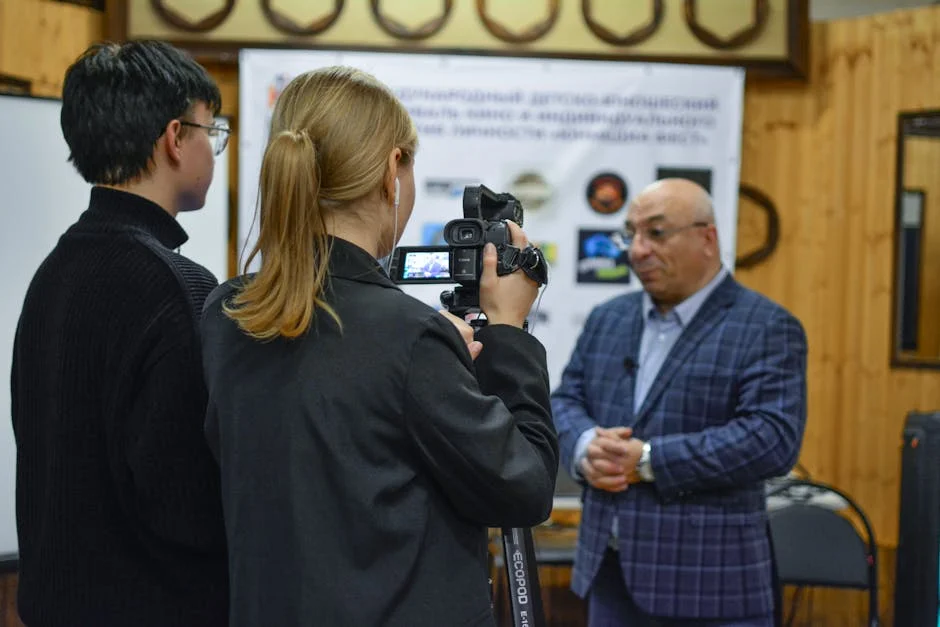
Akon, the Senegalese-American musician and entrepreneur, has ignited a national conversation in Senegal with his recent comments on male commitment, stating that men are "not wired to be committed to one partner." The remark, made during a public interview in Dakar, has sparked widespread debate on gender roles, relationships, and societal expectations in the West African nation.
Public Reaction and Cultural Context
The statement quickly went viral on social media, with thousands of Senegalese users weighing in on the issue. While some praised Akon for speaking openly about a topic often considered taboo, others criticized him for reinforcing stereotypes about masculinity. In a country where traditional gender roles remain strong, the comment has raised questions about how such views might influence younger generations.
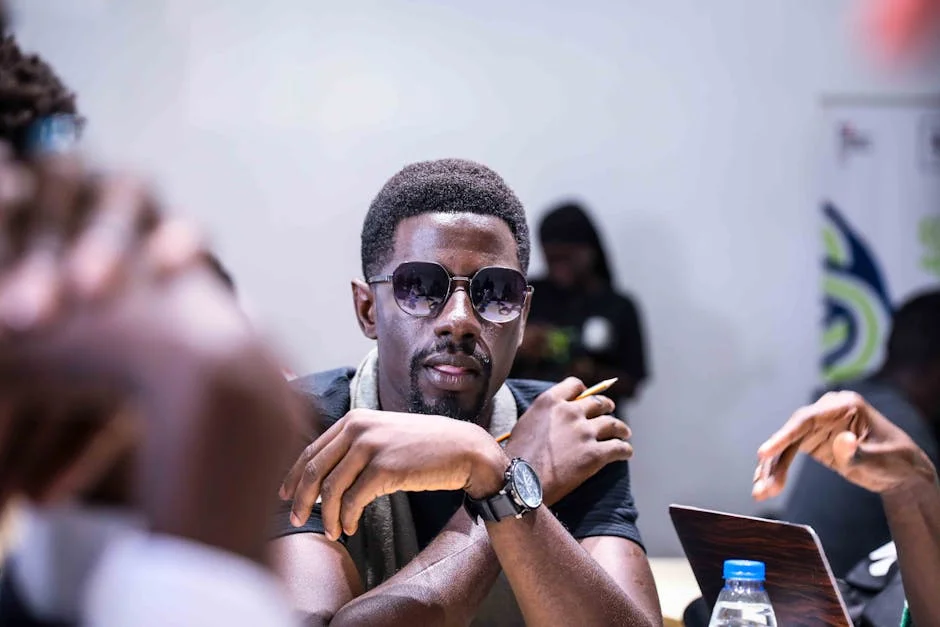
Senegalese sociologist Dr. Aminata Diop noted that while Akon’s comments may reflect a broader global conversation on gender dynamics, they risk oversimplifying complex human behavior. "It’s important to recognize that individual choices are shaped by a range of factors, including culture, upbringing, and personal values," she said.
Impact on Social Media and Public Discourse


The discussion around Akon’s statement has dominated local news outlets and social platforms. On Twitter, the hashtag #WhyMenAren trended for over 24 hours, with users sharing personal experiences and opinions. The debate has also spilled into academic circles, with universities in Dakar hosting forums to explore the implications of such statements on gender norms.
Local media outlets have reported a 40% increase in traffic related to gender issues in the week following the comment. This surge highlights the growing public interest in discussions around relationships and masculinity in Senegal. However, it also underscores the sensitivity of the topic in a society where premarital and extramarital relationships are often stigmatized.
Business and Economic Implications
While Akon’s comment may seem like a social issue, it has potential economic consequences. The entertainment and lifestyle sectors in Senegal, which are heavily influenced by public sentiment, may see shifts in consumer behavior. For instance, brands that promote relationship advice or gender equality may gain more traction, while others could face backlash.
Investors in the region are closely watching how public discourse on gender roles evolves. A shift in cultural attitudes could influence labor market dynamics, particularly in sectors where gender equality is a key employer value. A 2023 World Bank report found that improving gender equality could boost Senegal’s GDP by up to 15% over the next decade.
What to Watch Next
As the conversation continues, local policymakers and educators are considering how to address these issues in public discourse. A proposed national campaign on relationship education is expected to be introduced in the coming months, with the government aiming to foster healthier discussions around gender and commitment.
Investors and businesses should monitor how these cultural shifts translate into policy and consumer behavior. The next few months will be critical in determining whether the debate leads to meaningful change or remains a fleeting social media trend.