The United States has lifted sanctions on Venezuela’s acting president, Delcy Rodríguez, marking a shift in Washington’s approach to the South American nation. The move, announced by the US Treasury, comes amid growing pressure on the Maduro government to stabilize the economy and restore democratic processes. The decision has immediate implications for international markets, particularly for investors and businesses with exposure to Venezuela’s energy and financial sectors.
Why the Sanctions Were Lifted
The US government cited a series of diplomatic and political developments as the reason for the sanctions removal. These included increased engagement between the US and the Maduro administration, as well as a partial restoration of diplomatic ties. The move is seen as a strategic effort to encourage economic reforms and improve the flow of aid to Venezuela, which has been suffering from hyperinflation and a humanitarian crisis. However, critics argue that the decision may embolden the Maduro regime without addressing its systemic issues.

Delcy Rodríguez, who serves as the vice president and head of the National Assembly, was previously sanctioned for her role in undermining democratic processes. The lifting of her sanctions signals a broader shift in US policy, though it remains unclear whether this will lead to long-term stability in Venezuela.
Market Reactions and Investor Sentiment

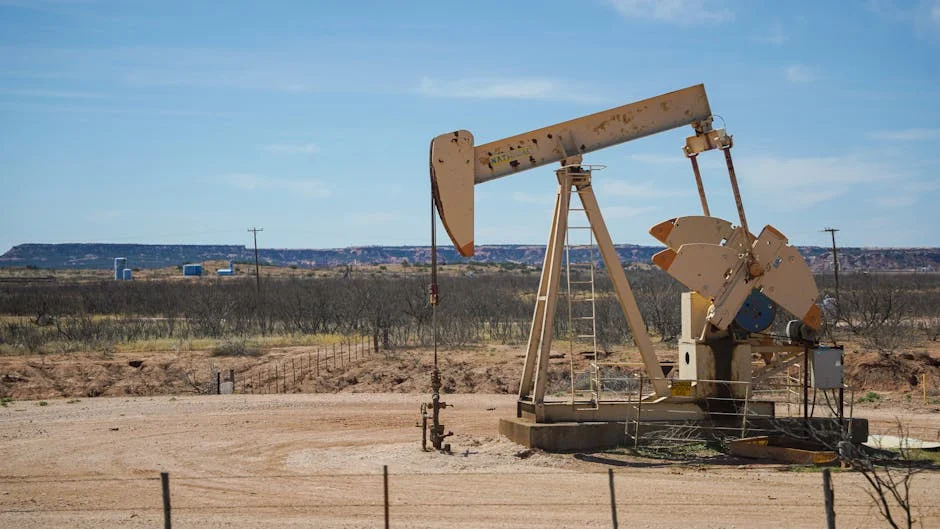
Global markets reacted cautiously to the news, with energy and commodity prices showing mixed movements. Venezuela’s oil sector, a key component of its economy, has been underperforming due to sanctions and mismanagement. The removal of sanctions on Rodríguez may open the door for increased foreign investment, particularly in the energy sector, but uncertainty remains about the government’s commitment to reform.
Investors in Singapore, which has a growing interest in emerging markets, are closely watching the developments. The move could influence investment flows into Latin America, with some analysts suggesting that Singapore-based firms with regional operations may see new opportunities in Venezuela’s energy and financial sectors.
Business Implications for Singapore
For Singaporean businesses with interests in the region, the lifting of sanctions could have both positive and negative implications. On one hand, it may reduce the regulatory and operational risks associated with doing business in Venezuela. On the other hand, the country’s economic instability and political uncertainty remain significant challenges. Companies must weigh the potential for growth against the risks of operating in a volatile environment.
Delcy Rodríguez’s removal from the sanctions list may also influence the broader geopolitical landscape. Singapore, as a major trading hub, could benefit from increased trade flows between the US and Venezuela, particularly in the energy and agricultural sectors. However, the extent of this benefit will depend on the Maduro government’s ability to implement meaningful reforms.
What to Watch Next
Investors and analysts are closely monitoring how the Maduro administration responds to the sanctions lift. Key indicators to watch include the government’s approach to economic reforms, its engagement with international partners, and the overall stability of the Venezuelan economy. The performance of the country’s currency, the bolívar, will also be a critical factor in determining the long-term impact of the policy shift.
For Singapore, the situation underscores the importance of maintaining a diversified investment strategy in emerging markets. While the removal of sanctions on Delcy Rodríguez presents new opportunities, it also highlights the need for caution in navigating complex political and economic environments. As the situation evolves, Singaporean investors and businesses will need to stay informed and adaptable.
See Also
- England Clinches T20 Series Win With Dani Gibson's Star Performance
- Nepal's PM Balendra Shah Demands UK Mediation in Border Talks with India