The ongoing conflict in the Middle East has put critical water supplies at risk, potentially impacting global markets and economies, including those in Singapore. This development highlights the interconnectedness of regional stability and international trade.
Water Scarcity and Regional Stability
The Middle East is already known for its water scarcity issues, exacerbated by its arid climate and growing population. Now, the threat posed by the ongoing war is adding another layer of complexity to this problem. With key infrastructure damaged or disrupted, the supply of fresh water is becoming increasingly unpredictable.
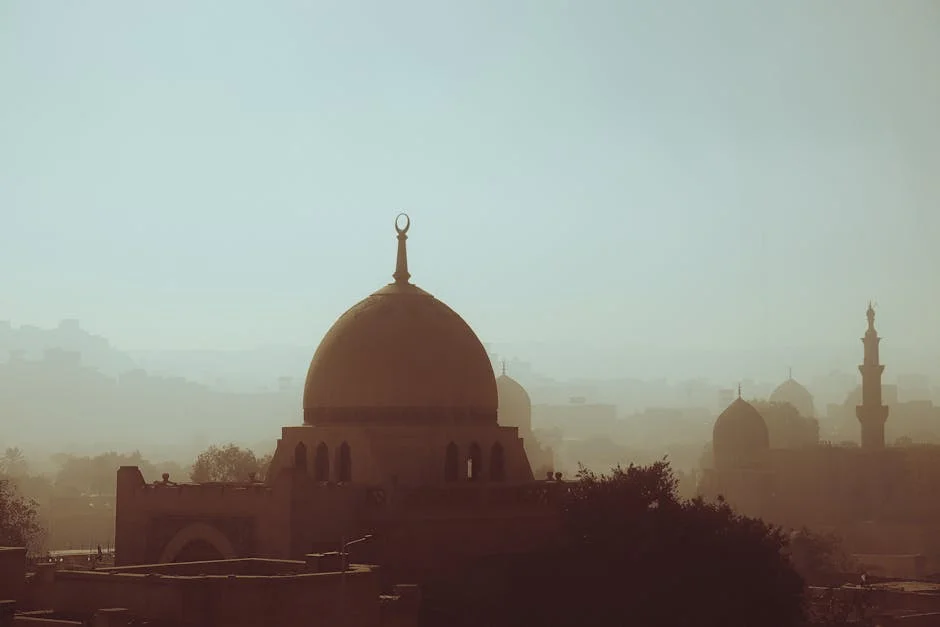
This situation not only affects local populations but also has broader implications for regional stability and the ability of Middle Eastern countries to maintain robust economic growth. For example, disruptions to water supply can hinder agricultural productivity, which is crucial for food security and export earnings.
Economic Impact on the Middle East

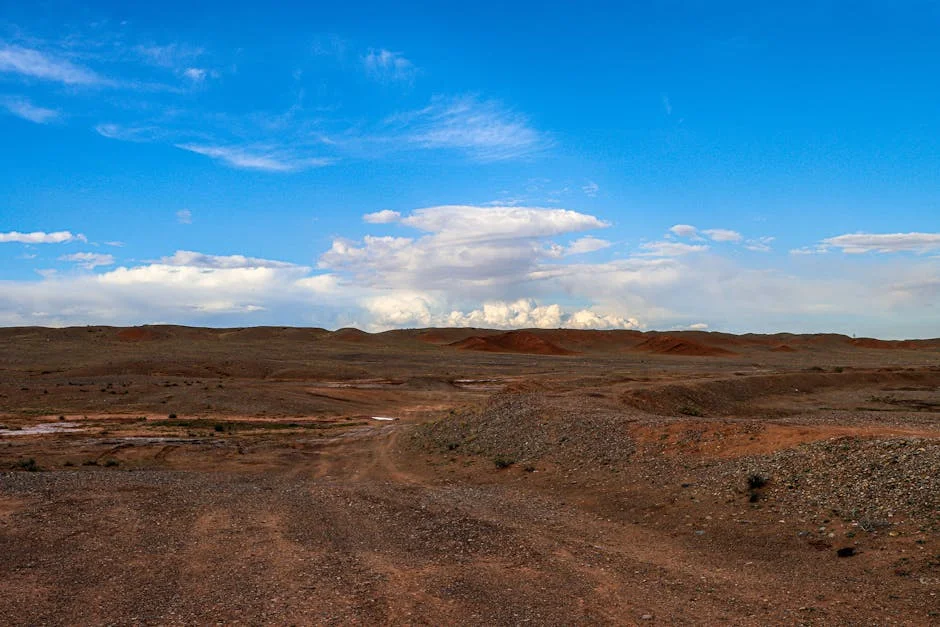
The economic consequences of reduced water availability extend beyond agriculture. Industries such as manufacturing, energy, and tourism, which rely heavily on a stable water supply, face potential challenges. This could lead to higher costs for businesses operating in the region, affecting their profitability and competitiveness on the global stage.
Furthermore, the cost of living may increase for residents due to higher prices for essential goods, potentially leading to social unrest. Such factors can influence investor sentiment and confidence in the Middle East’s long-term economic prospects.
Global Market Reactions
The news of water supply risks in the Middle East has prompted reactions from financial markets around the world. Investors have shown heightened interest in companies that operate within or trade with the region, as well as those involved in water management technologies and solutions.
Singapore, being a major financial hub and home to many multinational corporations, is closely watching these developments. Local businesses and investors are particularly attentive to how the situation might affect their operations and investments in the Middle East.
Implications for Singapore
The ripple effects of water scarcity in the Middle East could have significant implications for Singapore, given its strategic position as a global trading and financial centre. As a nation that imports much of its water, Singapore is acutely aware of the importance of reliable water sources worldwide.
In addition, Singapore’s strong economic ties with the Middle East mean that any disruption there could impact trade flows and supply chains. Companies based in Singapore that do business with Middle Eastern partners may need to adapt their strategies to account for potential changes in the regional water landscape.
Looking Ahead
As the situation in the Middle East continues to evolve, stakeholders globally will be watching closely for further developments. Investors, businesses, and policymakers will need to consider how water scarcity and related issues could shape future opportunities and challenges in the region.
For Singapore, maintaining its status as a leading financial and business hub will require staying attuned to these trends and adapting accordingly. The interplay between regional stability and global markets means that even seemingly distant events, such as water supply risks in the Middle East, can have far-reaching impacts on the economic landscape.
Frequently Asked Questions
What is the latest news about war threatens middle east water supplies implications for global markets revealed?
The ongoing conflict in the Middle East has put critical water supplies at risk, potentially impacting global markets and economies, including those in Singapore.
Why does this matter for politics-governance?
Water Scarcity and Regional Stability The Middle East is already known for its water scarcity issues, exacerbated by its arid climate and growing population.
What are the key facts about war threatens middle east water supplies implications for global markets revealed?
With key infrastructure damaged or disrupted, the supply of fresh water is becoming increasingly unpredictable.