Rmb Latitudes Art Fair has announced its focus on Nigeria for the year 2026, setting the stage for a significant spotlight on African art and culture in the international market. This decision marks a pivotal moment for the Nigerian art scene and could have far-reaching effects on both local and global economies.
Nigeria's Rising Star in the Art World
The choice to highlight Nigeria at the Rmb Latitudes Art Fair underscores the country’s growing prominence in the global art community. As one of Africa’s largest economies and cultural hubs, Nigeria boasts a rich tapestry of artistic expression that spans traditional and contemporary styles.
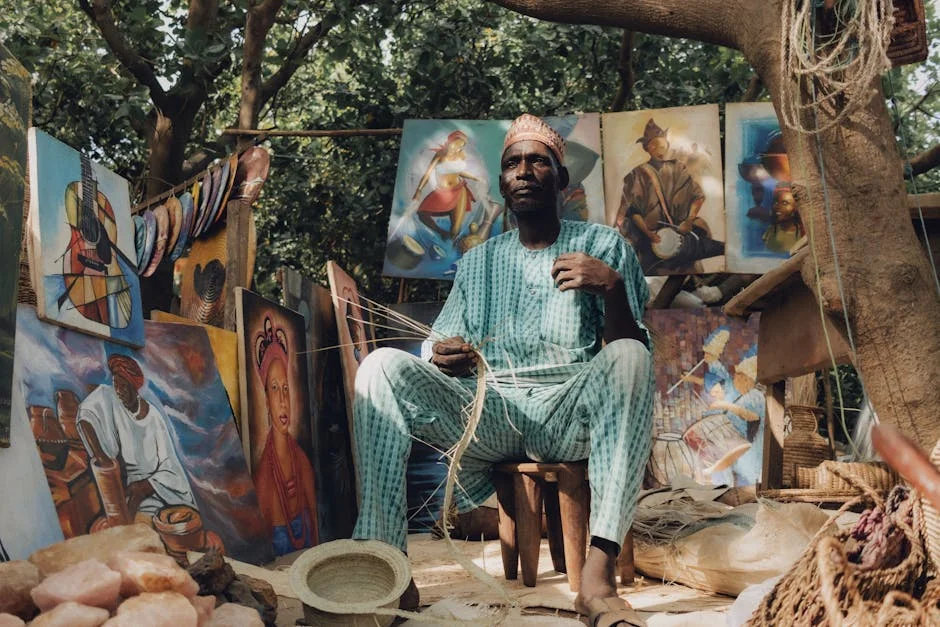
This spotlight on Nigeria will not only draw attention to the country’s vibrant art scene but also provide a platform for Nigerian artists to showcase their work to a wider audience, potentially leading to increased sales and international recognition.
Economic Impact on Nigeria and Beyond

The announcement is expected to boost Nigeria’s economy, particularly in the creative sector. Increased visibility can attract more tourists and art enthusiasts to the country, driving demand for local products and services. This influx of visitors and interest can translate into higher revenues for hotels, restaurants, and transportation providers, benefiting various segments of the economy.
Beyond Nigeria, the focus on African art at the Rmb Latitudes Art Fair is likely to inspire similar initiatives from other international events, creating a ripple effect that could benefit the entire continent. This trend may encourage more businesses to explore opportunities in the African market, fostering trade and investment ties.
Investment Opportunities in the Art Market
The spotlight on Nigeria presents attractive investment opportunities for both local and foreign investors. The growing interest in African art and culture can drive up demand for Nigerian artworks, making them valuable assets for collectors and investors alike.
Art galleries, auction houses, and online platforms that specialise in African art are poised to see an increase in business as more people seek to acquire pieces from the region. Additionally, the rise of Nigerian art as a sought-after commodity could make it a lucrative asset class for portfolio diversification, appealing to a range of investors looking for unique and potentially profitable ventures.
Boosting Cultural Exchange and Tourism
The Rmb Latitudes Art Fair’s focus on Nigeria promises to enhance cultural exchange between Africa and other parts of the world. This increased interaction can lead to new collaborations between artists, curators, and institutions, enriching the global art landscape.
Tourism is another beneficiary of this heightened interest, as more people may choose to visit Nigeria to experience its rich artistic heritage firsthand. The influx of visitors can support local businesses and contribute to the overall economic growth of the country.
Future Prospects and Watchpoints
As the Rmb Latitudes Art Fair prepares to shine a light on Nigeria in 2026, there is much to look forward to in terms of cultural and economic impact. The success of this initiative could pave the way for further focus on African art in subsequent years, potentially elevating the profile of other African countries in the global art scene.
Businesses and investors should keep an eye on how the Nigerian art market responds to this international spotlight, as well as monitor trends in tourism and cultural exchange. These factors will play a crucial role in determining the long-term benefits for the Nigerian economy and the broader African art market.