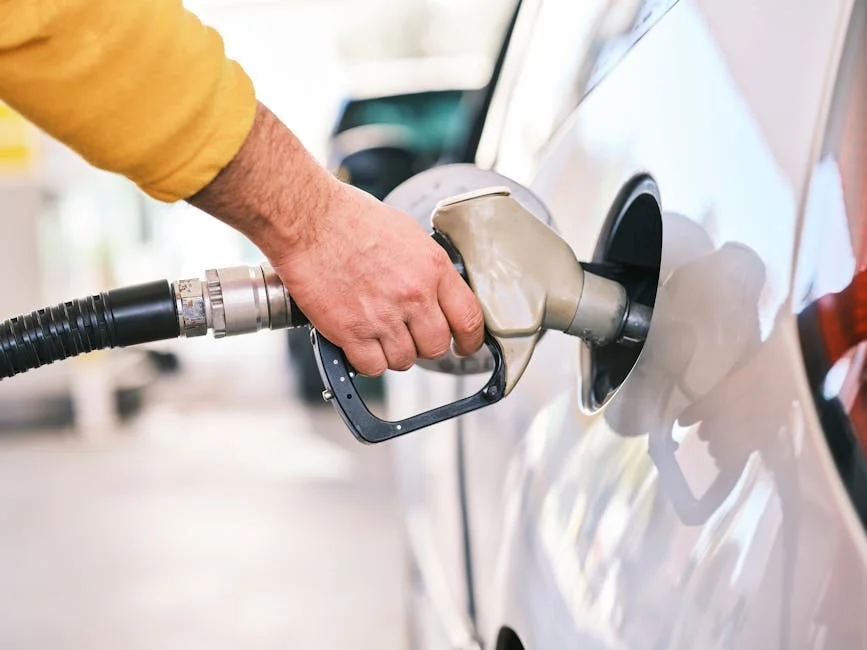
Kerosene demand is surging in the Middle East as households turn to the fuel due to concerns over liquefied petroleum gas (LPG) supplies. This shift has significant implications for the region’s energy markets and could impact Singapore’s economy, given its strong trade ties with the Middle East.
Rising Kerosene Usage Driven by Supply Concerns
The increased use of kerosene in the Middle East can be attributed to growing worries about the availability of LPG. The Strait of Hormuz, a crucial shipping lane that connects the Persian Gulf to the Arabian Sea, is a vital route for oil exports from the Middle East. However, geopolitical tensions and logistical challenges have led to disruptions in the supply chain, making LPG less reliable for everyday use.

In addition to supply issues, the price volatility of LPG has also influenced consumers’ choice to switch to kerosene. As LPG prices fluctuate, many households opt for the more stable pricing offered by kerosene, which has become a preferred alternative for cooking and heating needs.
Economic Impact on Energy Markets

![Police Slam Westville Filling Station Shootout - Two Dead, BMW Driver Arrested [VIDEO]](/img/police-slam-westville-filling-station-shootout-two-dead-bmw-082a6fa2.webp)
The rise in kerosene demand has a ripple effect on the global energy markets. With the Middle East being one of the world's largest producers and consumers of energy, changes in local consumption patterns can influence international oil prices and trade flows. This shift towards kerosene is likely to bolster the global demand for kerosene, pushing up its prices and creating opportunities for energy companies that specialise in refining and distributing the fuel.
Furthermore, the increased reliance on kerosene could lead to higher imports of the fuel into the Middle East, particularly from countries like India, which is a major producer of kerosene. This trade dynamic not only benefits Indian refiners but also strengthens the economic ties between the two regions.
Implications for Singapore’s Economy
Singapore, known as a key financial hub and trading centre in Southeast Asia, stands to gain from the increased kerosene demand in the Middle East. The city-state’s robust trade relationships with the Gulf Cooperation Council (GCC) countries mean that it is well positioned to benefit from the rising demand for kerosene.
As the Middle East continues to seek out kerosene supplies, Singapore’s ports and refineries are likely to see an increase in traffic and activity. This boost in trade can have positive effects on Singapore’s GDP and job market, providing additional support to the country’s economic growth.
Business Opportunities for Refiners and Distributors
The resurgence of kerosene usage presents several business opportunities for refiners and distributors both within the Middle East and internationally. Companies that produce kerosene may see increased sales volumes, while those involved in logistics and transportation will benefit from the need to move larger quantities of the fuel across the region.
Moreover, the growing demand for kerosene could spur innovation in the energy sector, with companies investing in new technologies to improve efficiency and reduce costs in the production and distribution of the fuel. This could create a competitive edge for businesses that are able to adapt quickly to changing market conditions.
Investment Perspective
For investors, the trend towards kerosene use in the Middle East offers several avenues for profit. Stocks of companies involved in kerosene production, refining, and distribution may see an uptick in value as demand increases. Additionally, the strengthening of trade links between the Middle East and other regions, such as India and Singapore, could provide attractive investment opportunities in related sectors.
Analysts suggest that the current situation presents a favourable environment for long-term investments in the energy and logistics industries, with potential for growth driven by the evolving needs of the Middle East’s energy market.
Frequently Asked Questions
What is the latest news about kerosene demand rises in middle east as lpg shortages loom?
Kerosene demand is surging in the Middle East as households turn to the fuel due to concerns over liquefied petroleum gas (LPG) supplies.
Why does this matter for economy-business?
Rising Kerosene Usage Driven by Supply Concerns The increased use of kerosene in the Middle East can be attributed to growing worries about the availability of LPG.
What are the key facts about kerosene demand rises in middle east as lpg shortages loom?
However, geopolitical tensions and logistical challenges have led to disruptions in the supply chain, making LPG less reliable for everyday use.